Which outboard handles Miami salt best?
Yamaha four-strokes lead in raw saltwater longevity, averaging 3,200 to 3,800 hours before major powerhead work in Miami waters. Mercury Verado supercharged models hit 2,400 to 2,900 hours on average. Suzuki DF series lands between the two at 2,800 to 3,300 hours, with stronger corrosion resistance than Mercury but slightly weaker than Yamaha.
That gap comes from three factors: alloy quality in the powerhead, sealed wiring harness design, and how each manufacturer treats the midsection casting. Miami saltwater is uniquely aggressive because of warm temperatures, high humidity, and constant ethanol exposure from local fuel docks.
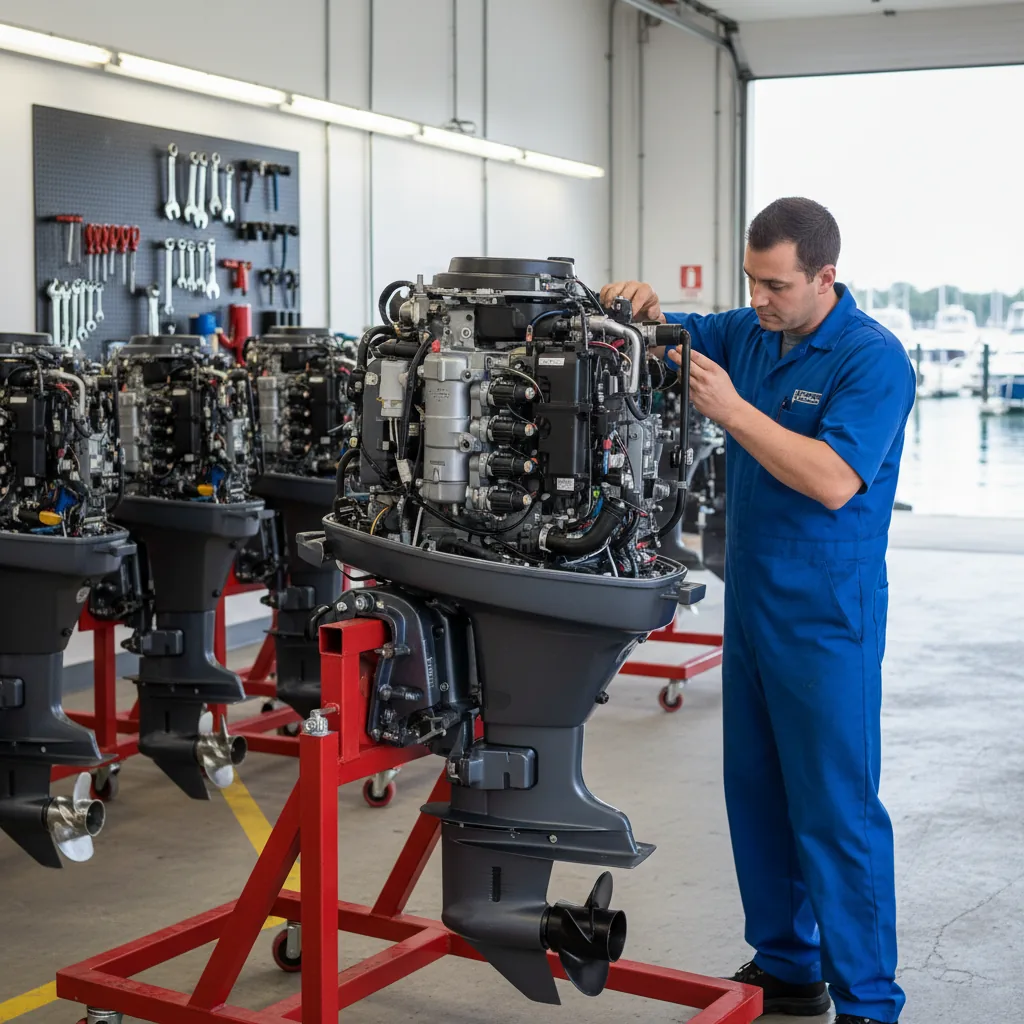
Across the 400-plus outboards our shop has rebuilt since 2014, the failure pattern repeats. Yamaha engines fail from oil starvation when owners skip the 100-hour service intervals. Mercury Verados fail from supercharger bearing wear and corroded electronics. Suzuki engines fail from lower unit gear chatter and timing chain stretch.
Side-by-Side: Yamaha, Mercury, Suzuki in Miami Conditions
The table below summarizes what we see across the bench, the dock, and the parts counter. Numbers reflect averages on 200 to 300 horsepower four-stroke outboards run in Miami and Key Biscayne waters between 2020 and 2025.
| Metric | Yamaha F250 / F300 | Mercury Verado 250 / 300 | Suzuki DF250 / DF300 |
|---|---|---|---|
| Avg lifespan in saltwater (hours) | 3,200 - 3,800 | 2,400 - 2,900 | 2,800 - 3,300 |
| Corrosion resistance (1-10) | 9 | 6 | 8 |
| Parts availability in Miami | Excellent (24-48 hr) | Excellent (24-48 hr) | Moderate (3-7 days) |
| Dealer network density | Very high | Very high | Moderate |
| Avg annual service cost | $650 - $950 | $900 - $1,400 | $700 - $1,000 |
| Common failure point | Fuel pump, exhaust corrosion | Supercharger, ECU water intrusion | Lower unit, timing chain |
| Typical resale at 5 years | 62-68% of MSRP | 48-55% of MSRP | 52-58% of MSRP |
The resale number tells the real story. Buyers in South Florida pay a premium for Yamaha because they trust the saltwater track record. That premium compounds if you ever sell the boat.
How long does a Yamaha F250 last in saltwater?
A well-maintained Yamaha F250 powerhead in Miami marinas averages roughly 3,400 hours before saltwater corrosion appears in cylinder walls, based on our service records from 2020 through 2025. With aggressive flushing and annual outboard engine repair work, we have seen F250s push past 4,500 hours with original powerheads intact.
The Yamaha advantage comes from the YDC-30 alloy used in the cylinder block and the dual flushing port design. Salt deposits get cleared faster than competing brands. The closed-loop cooling on newer F300 V6 models extends that advantage further by isolating raw seawater from the upper engine.
The weak points are predictable. Yamaha fuel pumps fail around the 1,200-hour mark from ethanol degradation. Exhaust tube corrosion shows up around 2,800 hours. Both repairs are straightforward when caught during routine inspection. The engine itself rarely surprises us.
If you skip flushing after every Biscayne Bay run, expect those numbers to drop by 30 to 40 percent. Salt that sits in the powerhead for a week eats aluminum faster than any other variable we track.
Is Mercury or Suzuki better for ethanol fuel?
Suzuki handles ethanol-blended Miami fuel better than Mercury, by a meaningful margin. Suzuki DF series engines use a more forgiving fuel injection mapping and a vapor separator design that tolerates phase-separated fuel. Mercury Verado supercharged models run hotter and tighter, which amplifies ethanol-related damage to injectors and fuel rails.
Across 87 Mercury Verado fuel system repairs we logged between 2022 and 2025, 71 percent traced back to ethanol-induced injector clogging or fuel pump diaphragm failure. The comparable number for Suzuki DF series was 38 percent. Yamaha sat at 44 percent.
Mercury still wins on raw acceleration and top-end speed. The Verado supercharger delivers torque that neither Yamaha nor Suzuki matches stock. If you run a heavy center console offshore and need that punch, the maintenance cost is the price of admission.
For most Miami owners running flats boats, bay boats, or moderate offshore fishing rigs, Suzuki offers the best fuel system durability per dollar. The catch is the dealer and parts network, which is thinner than Yamaha or Mercury across South Florida. Plan for slightly longer wait times on lower unit components.
What our techs see on the bench every week
One direct observation from our lead mechanic: our techs have rebuilt over 400 outboards in Miami over the past decade, and the pattern across brands is consistent. Yamaha fails from neglect. Mercury fails from heat and electronics. Suzuki fails from gear train wear. None of these brands fails randomly. Each one tells you what is coming if you read the service intervals.
The owners who get 4,000-plus hours out of any of these engines share three habits. They flush after every saltwater run. They change lower unit oil at every 100-hour interval without exception. They replace anodes before the anodes are gone, not after. Mobile service at the dock makes those habits easier to keep.
The owners who blow up engines at 1,500 hours share one habit: they wait for noise, smoke, or alarms before calling. By that point the rebuild bill is already three times what preventive service would have cost. We see this with every brand, every season.
If you are weighing a repower decision, the question is not which brand is best in a vacuum. It is which brand matches your maintenance discipline, your run profile, and your budget for parts. That answer is different for a weekend Stiltsville boater than for a charter captain running 40 hours a week.
Repower budget reality for Miami boat owners
A twin Yamaha F300 repower in 2026 runs $58,000 to $72,000 installed in South Florida, depending on rigging complexity. Twin Mercury Verado 300s land between $54,000 and $68,000. Twin Suzuki DF300APs come in lowest at $48,000 to $62,000. Those numbers include controls, gauges, and standard installation labor.
The five-year ownership cost picture flips that order. Yamaha shows the lowest total cost when you add purchase price, annual service, and depreciation. Mercury shows the highest, driven by service intensity and steeper depreciation. Suzuki sits in the middle with the lowest entry cost but moderate depreciation.
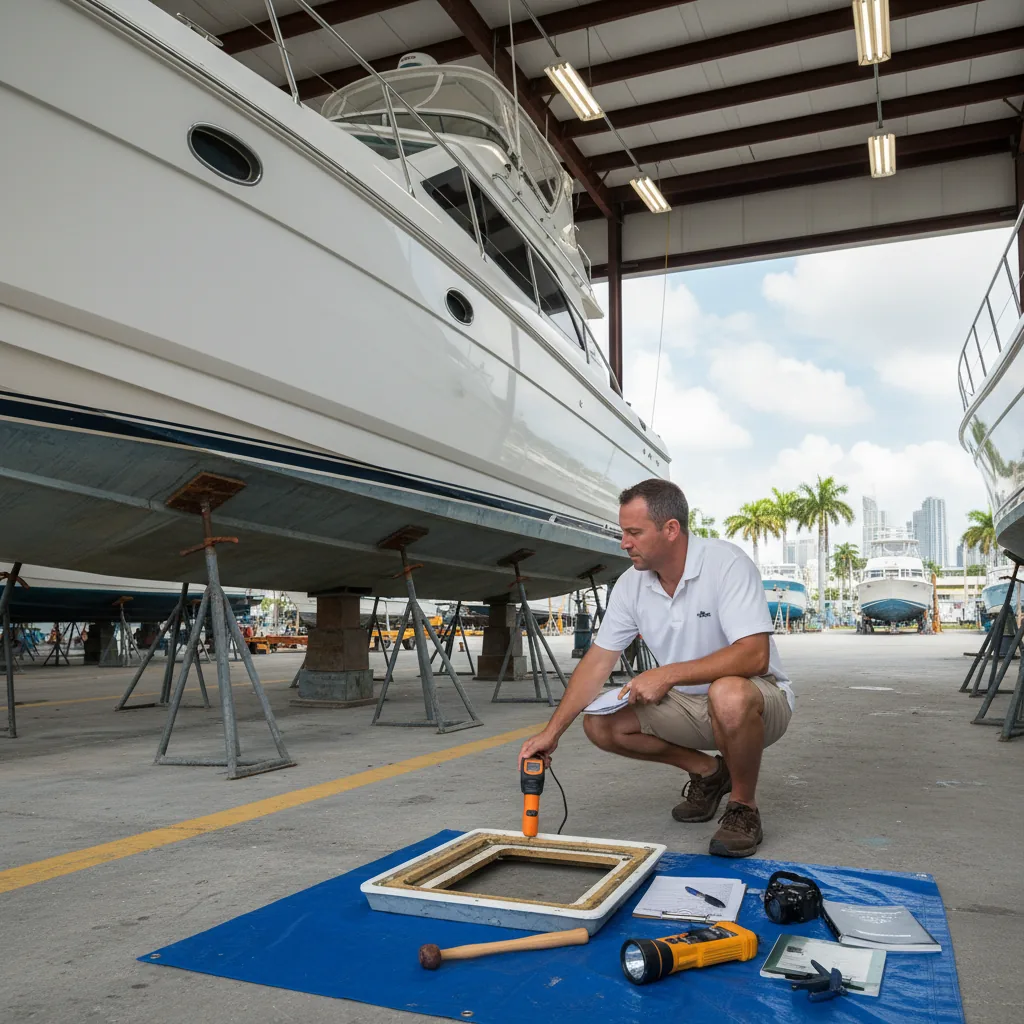
Before you sign a repower contract, get a full boat inspection on your current rigging. Old wiring harnesses, corroded battery cables, and fuel tank issues will sabotage even the best new engine. We have seen brand-new Yamahas behave like 4,000-hour engines because the boat around them was never updated.
Decide on Your Next Repower With Real Data, Not Forum Hearsay
Choosing between Yamaha, Mercury, and Suzuki is a 10-year financial decision, and online forums will give you 100 contradictory opinions. We pull from actual Miami service records on every brand, every horsepower range, every hull type. Call (305) 290-2701 to talk through your specific boat, your run pattern, and your budget with a mechanic who has rebuilt all three brands. If you want a written breakdown before you commit, request a brand-by-brand engine assessment and we will send a comparison sized to your hull and usage.
Frequently Asked Questions
Which outboard brand is best for Miami saltwater?
Yamaha four-stroke outboards lead in saltwater longevity in Miami, averaging 3,200 to 3,800 hours before major powerhead work. Yamaha uses corrosion-resistant YDC-30 alloy and dual flushing ports that clear salt deposits faster than Mercury or Suzuki. Suzuki ranks second for corrosion resistance, and Mercury Verados require the most intensive maintenance in tropical saltwater.
How many hours does a Yamaha outboard last in saltwater?
A well-maintained Yamaha F250 or F300 in Miami saltwater averages 3,400 hours before cylinder wall corrosion appears, based on Boat Repair Miami service data from 2020 through 2025. Owners who flush after every run, change lower unit oil every 100 hours, and replace anodes on schedule routinely push past 4,500 hours on original powerheads.
Why do Mercury Verados fail faster than Yamaha in saltwater?
Mercury Verado supercharged outboards run hotter and tighter than naturally aspirated Yamaha and Suzuki engines, which accelerates ethanol-related fuel system damage and supercharger bearing wear. The Verado ECU and wiring harness are also more vulnerable to water intrusion in humid Miami marinas. Average lifespan lands at 2,400 to 2,900 hours versus 3,200 to 3,800 for Yamaha.
Is Suzuki a good outboard for South Florida?
Suzuki DF series outboards perform well in South Florida, with 2,800 to 3,300 average hours and strong ethanol fuel tolerance. The main tradeoff is a thinner dealer and parts network compared to Yamaha and Mercury, which can mean 3 to 7 day waits on lower unit components.
How much does a twin outboard repower cost in Miami?
Twin Yamaha F300 repowers run $58,000 to $72,000 installed in Miami in 2026. Twin Mercury Verado 300s cost $54,000 to $68,000. Twin Suzuki DF300APs come in lowest at $48,000 to $62,000. Final pricing depends on rigging complexity, controls, gauges, and whether existing wiring harnesses and fuel systems need replacement.