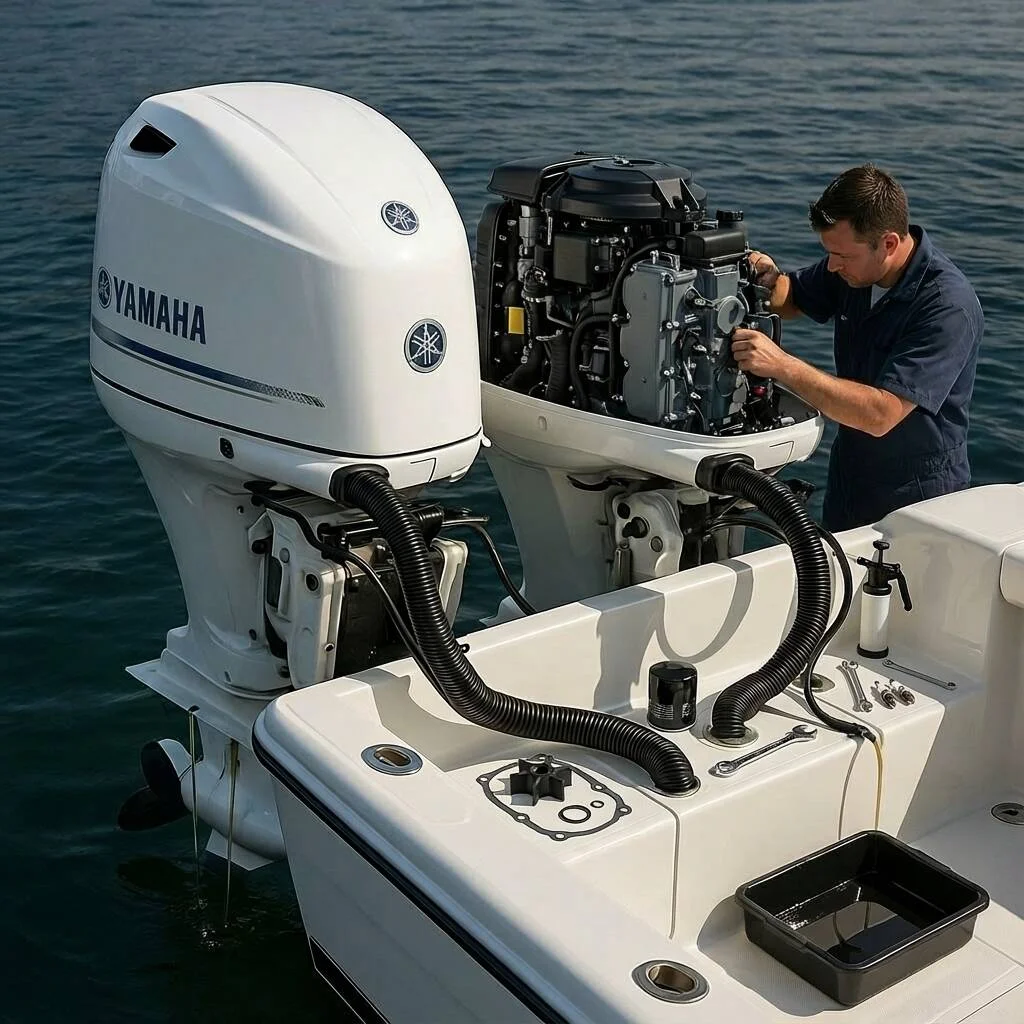
100-Hour Boat Service: What It Is, When to Do It, and What Gets Done
The first major maintenance checkpoint for outboard engines - keep yours healthy
South Florida 100-Hour Service Experts
You do not need a long intro for this. A 100-hour service is the first major maintenance checkpoint most outboard owners hit. It keeps the powerhead healthy, the gearcase alive, and the fuel and cooling systems clean enough that the engine starts when you need it. Most manufacturers tie basic care to this interval. Do it every 100 engine hours or annually, whichever comes first. That is the baseline.
Why the 100-Hour Mark Matters
Boat engines work under steady load at low airflow compared to cars. Oil breaks down. Gear lube can pick up water. Filters fill up. Corrosion moves in while the boat sits. In saltwater, that last part accelerates because salty, humid air invites galvanic reactions across dissimilar metals. A service interval that checks anodes, grounds, and connections is not optional in coastal use.
When To Schedule It
Follow a simple rule. At 100 hours or at one year, whichever you hit first. Heavy users reach 100 hours quickly. Weekend boats may not, but still need annual fluids and corrosion checks. If you operate in warm saltwater or keep the boat in a slip, lean toward the early side and add quick visual checks between formal services.
The 100-Hour Checklist, Explained
Below is what a proper 100-hour service covers for modern four-stroke outboards. Your manual may add model-specific items. The core list does not change much across brands.
Engine Oil Change and Filter Replacement
Fresh oil protects bearings and cam surfaces. Engines in marine duty see frequent starts and long idles. Oil shears and accumulates fuel and moisture. Change the filter at the same time. Use the specified viscosity and a marine-rated oil. Install a factory or equivalent filter and a new drain washer. Log hours and date.
Lower Unit Gear Lube Change
Water intrusion ruins gears. Drain the gearcase into a clear pan and look for milkiness or metal. Refill from the bottom port to push air out. If the old lube shows water or glitter, stop and inspect seals and bearings before you run the engine again. This is a small job that prevents a large bill later.
Fuel System Service
Replace the on-engine fuel filter and the boat-mounted water-separating filter. Inspect fuel lines, primer bulb, clamps, and quick-connects. Make sure nothing is soft, cracked, or weeping. Some models have tiny inline screens or VST microfilters on longer intervals. At 100 hours, at least renew serviceable filters and check restriction.
Spark Plugs Inspection or Replacement
Many shops replace plugs at 100 hours to prevent misfires later. At minimum, pull and read them. Note color, gap, and deposits. Reinstall to spec. Do not guess on torque. Use anti-seize only if your manufacturer calls for it. Record cylinder notes so you can compare at the next service.
Propeller and Prop Shaft Service
Remove the prop. Check for fishing line behind the thrust washer. Inspect the seal area for scoring. Lightly grease the shaft and reinstall with a fresh cotter pin or locking tab. Torque the nut to spec. A small nick in the prop affects speed and fuel economy and can shake the gearcase.
Steering, Throttle, and Shift Checks
You want full, smooth travel and clean engagement. Grease specified zerks. Inspect cables or hydraulic hoses for chafe. Binding creates extra load on helm pumps and cable ends. Fix stiffness now, not after it takes out a cable.
Cooling System Inspection
Check the telltale quality and temperature behavior on the hose. At 100 hours, most brands call for inspection of the water pump, not always full replacement. Sandy or silty use shortens impeller life. If pressure is weak, do the impeller now. Do not wait for an overheat alarm halfway across the bay.
Electrical Connections and Battery
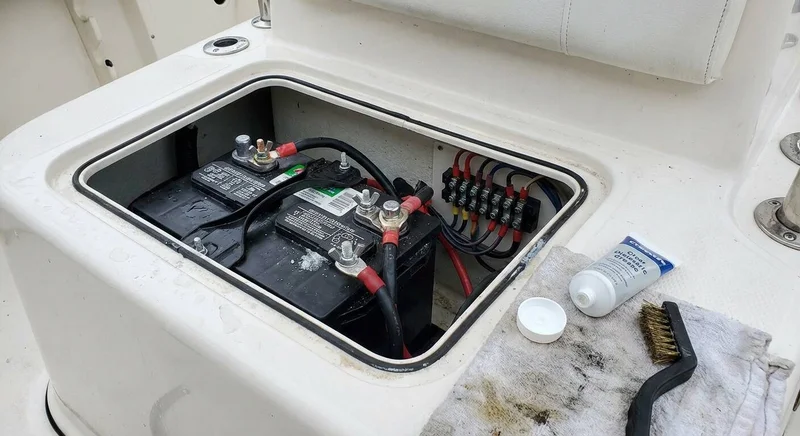
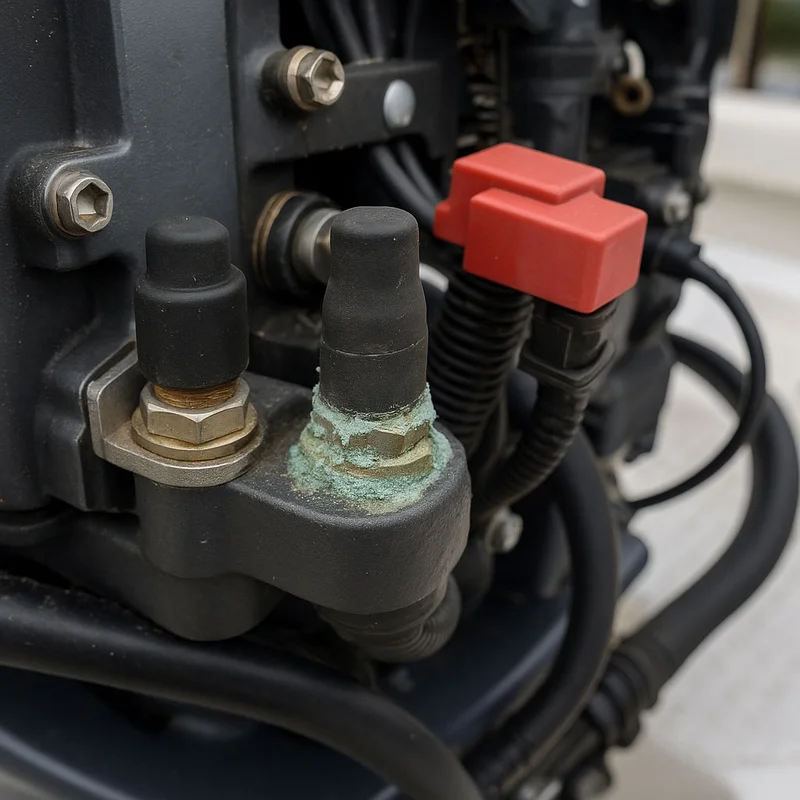
Clean and protect battery posts. Verify clean grounds and tight harness connectors. Treat with the correct dielectric products where appropriate. Salt and humidity creep into unprotected junctions and cause intermittent faults that waste time. Tighten what needs it. Replace what will fail soon.
Anodes and Bonding
Inspect external anodes and replace them around 50 percent depletion. Make sure they bite into bright metal and are not isolated by paint or scale. If the boat lives in a marina with shore power nearby, check anodes more often. This small part protects expensive gearcase and bracket pieces.
General Inspection
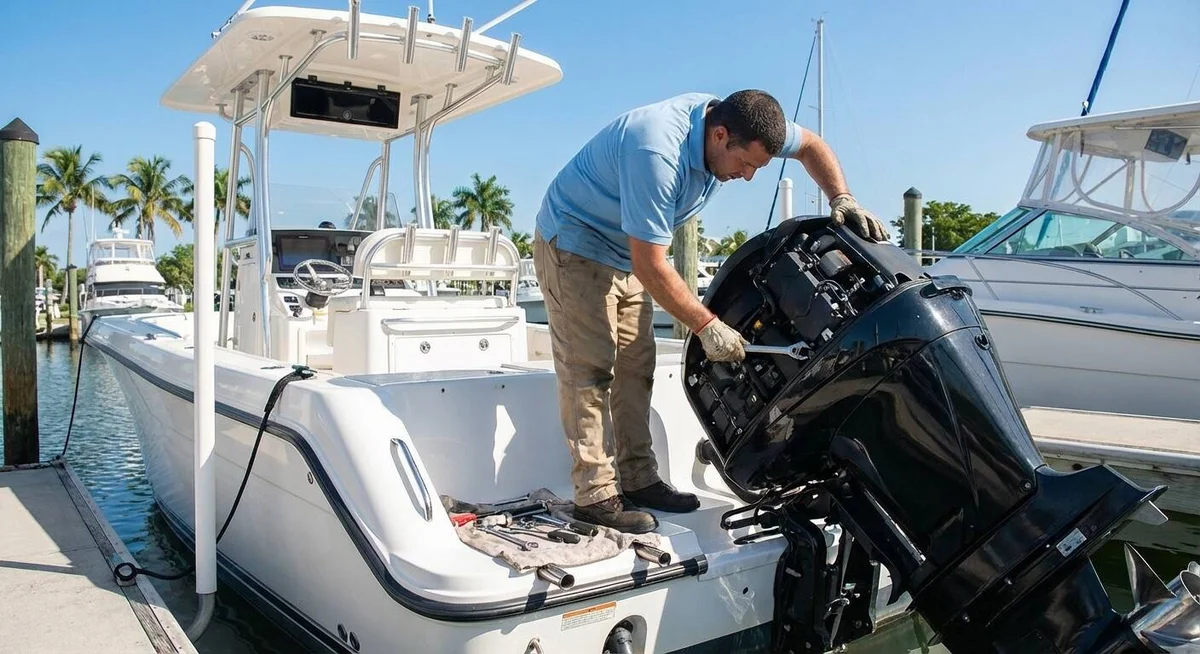
Remove the cowl. Look for fuel seepage, salt crust, chafe, loose fasteners, and rubbed-through loom. Record engine hours. If you have access to a diagnostic tool, check for stored fault codes. If there is a performance complaint, include a compression test. A ten-minute look catches problems before they escalate.
Special Notes For Saltwater and South Florida Use
Salt and heat accelerate wear. Warm, saline water and sticky humidity push you to be stricter about rinsing, coatings, and anode checks. If the boat lives on a lift or trailer, flush the engine with fresh water after every trip and let it dry. Wipe down stainless and aluminum hardware. Treat high-risk spots with a corrosion inhibitor. If the boat lives in the water, look at anodes monthly and keep a log. This is not busywork. It prevents real damage to gearcases, brackets, and electrical systems.
Flush and Rinse Habits That Actually Help
- Flush the engine long enough for thermostats to open so hot water moves through the block.
- Rinse the lower unit, brackets, trim rams, and steering linkages. Do not blast water directly into seals.
- Let everything dry. Then apply a light corrosion inhibitor to exposed fasteners and electrical connectors.
What Happens If You Skip It
You do not usually blow an engine the next day. The damage shows up slowly. Oil oxidizes and loses shear strength, which raises wear on bearings and cam lobes. Gear lube that picked up water rusts parts and pits surfaces. Fuel filters load up and starve the engine. Spark plugs foul until the ECU trims cannot hide it on a hot day with a heavy load. In saltwater, corrosion creeps into grounds and sensor connectors and produces random faults you will chase for weeks. The later invoice is never just "do the 100-hour we missed." It becomes a list of catch-up parts, extra labor, and sometimes a tow bill you did not plan on.
Common Mistakes During 100-Hour Service
Skipping the Gear Lube
People change engine oil and forget the gearcase. That is backwards. The gearcase gives clear clues. If you see milkiness or metal, you stop and save the gears. Miss this and you pay much more later.Over-Torquing Spark Plugs
Crushed washers and cracked porcelain are common. Use a torque wrench and the factory spec. If in doubt, replace the plugs and move on. Cheap insurance against misfires.Ignoring Anodes Until They Are Gone
Anodes do their job by sacrificing themselves. Replace at roughly half-life. Make sure there is clean metal contact. Painted or loose anodes are not doing anything.Treating the Impeller Like a Calendar Item Without Context
If you idle in silty canals or run shallow sand, replace the impeller more often. If you run clean water, follow the book. Any sign of low pressure or weak telltale should trigger an impeller job now.Forgetting the Boat-Mounted Fuel-Water Separator
The on-engine filter is not the only one. The canister on the transom or in the bilge matters. Replace it at the same time. Ethanol blends and condensation make this filter earn its keep.Skipping Corrosion Protection
If your 100-hour ends without cleaning and protecting battery posts, engine grounds, and connectors, you left future failures in place. Coastal boats need this step every service.A Simple 100-Hour Service Plan You Can Follow
1) Before the Appointment
- Print the official checklist for your model.
- Gather parts: oil, filter, drain washers, gear lube, new anodes if yours are half-gone, engine fuel filter, boat-mounted fuel-water separator, spark plugs if replacing, a new prop cotter pin.
- Have a torque wrench, lower-unit pump, and proper catch pans ready.
2) Fluids First
- Warm the engine on muffs so oil drains well. Change oil and filter. Log hours and findings.
- Change gear lube. Look closely at the old lube. Any water or metal means you pause and inspect seals and bearings.
3) Fuel and Ignition
- Replace both fuel filters. Check for water and debris in the old canister.
- Inspect or replace spark plugs. Verify clean, tight coil and ground connections.
4) Prop and Shaft
- Remove the prop. Clear any line. Inspect the seal area.
- Grease the shaft lightly. Reinstall with correct torque and a fresh pin.
5) Cooling and Anodes
- Check telltale and temperature behavior on the hose.
- If pressure is weak or flow is inconsistent, replace the impeller now.
- Replace anodes at about half-life. Confirm bright metal contact.
6) Electrical and Corrosion Control
- Clean battery posts. Confirm charger output if installed.
- Treat connectors and grounds with appropriate products.
- Secure loom and fix any chafe points.
7) Sea Trial
- Record idle quality, acceleration, and WOT rpm.
- Note any alarms or odd behavior. Set a baseline so small changes stand out later.
What This Means for You
A 100-hour service is not a glamour item. It is filters, fluids, and careful checks. It is also the interval that stops small issues from turning into big ones, especially in saltwater. Treat the 100-hour like a scheduled pit stop. Do it on time. Write everything down. Your engine will repay you with fewer surprises and more clean hours on the water.
Contact Boat Repair Miami at (305) 290-2701 to schedule your 100-hour service today.
Know the Signs
Signs You Need a 100-Hour Service
If you notice any of these warning signs, contact our team right away. Early diagnosis saves you time and money on repairs.
Engine hours approaching or past 100 since last service
It has been a year since your last full service
Engine performance has declined or feels sluggish
Unusual sounds, smoke, or vibration during operation
Battery or electrical issues appearing intermittently
Visible corrosion on anodes, hardware, or connections
Our Process
The 100-Hour Service Process
Fluids First
Engine oil and filter change, followed by lower unit gear lube change with inspection for water or metal contamination.
Fuel and Ignition
Replace both fuel filters, inspect or replace spark plugs, verify coil and ground connections.
Prop, Cooling, and Anodes
Prop shaft service, cooling system inspection, and anode replacement at half-life with bright metal contact confirmed.
Electrical and Sea Trial
Battery and connector protection, corrosion control, followed by a sea trial to record baseline performance.
South Florida 100-Hour Service Experts
Special Notes For Saltwater and South Florida Use
Why Choose Us
What a 100-Hour Service Covers
Engine oil change and filter replacement
Lower unit gear lube change with contamination check
Fuel system service including water-separating filter
Spark plug inspection or replacement
Propeller and prop shaft service
Cooling system, anodes, electrical connections, and sea trial
100-Hour Service FAQ
Common questions about 100-hour service in Miami
More Services
Related Boat Repair Services
Boat Engine Repair
At Boat Repair Miami, Florida, we're experts in outboard and inboard engine repairs for boats cruising Miami's waters. O...
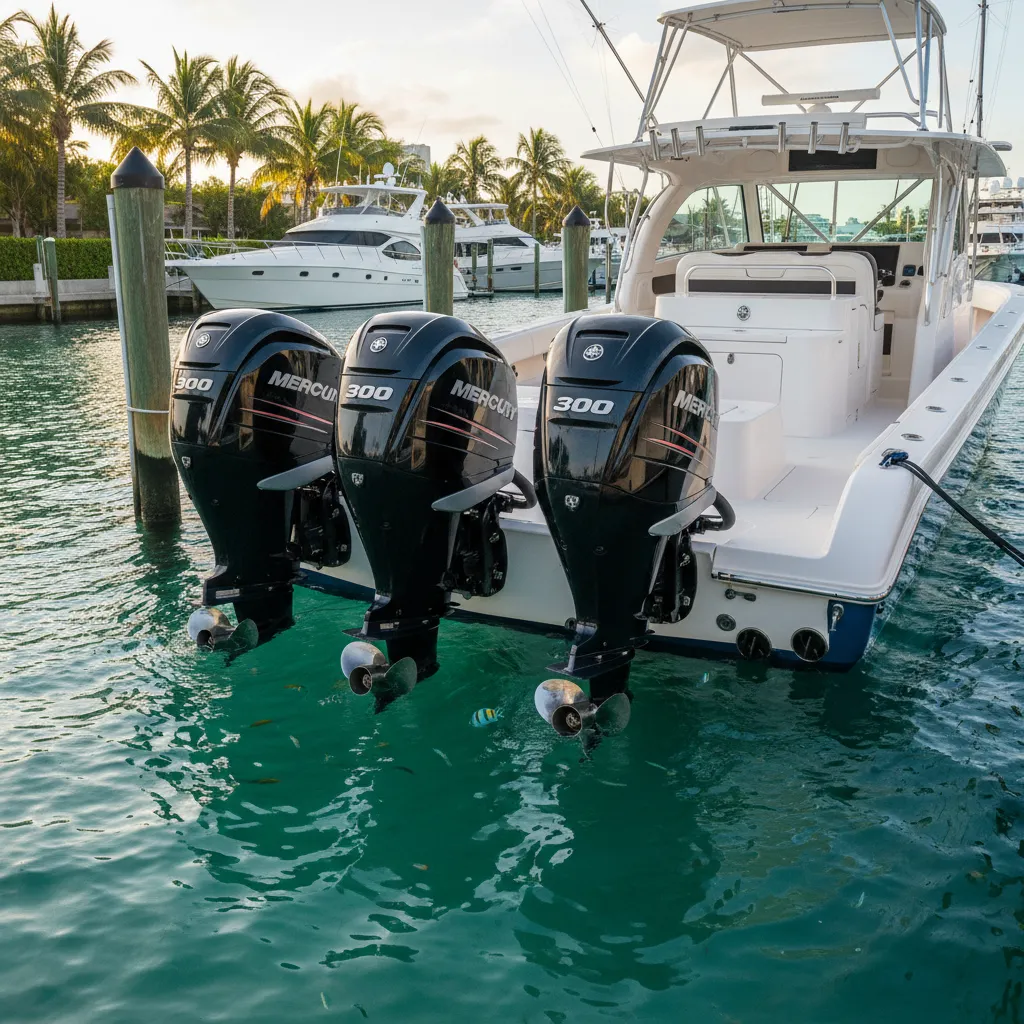
4-Stroke Outboard Repair
Four-Stroke engines are popular across Miami for their performance and reliability, but they also require specific knowl...
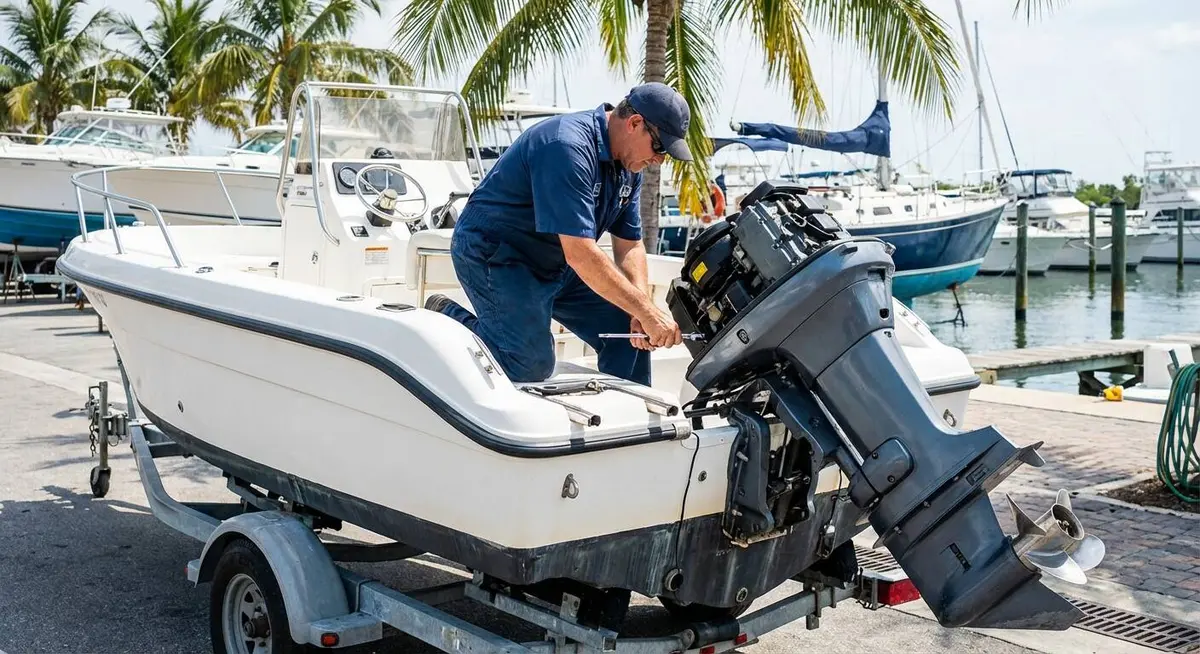
Outboard Engine Repair
When you're boating in Miami, a reliable outboard engine is one of the most important things you can count on. At Boat R...
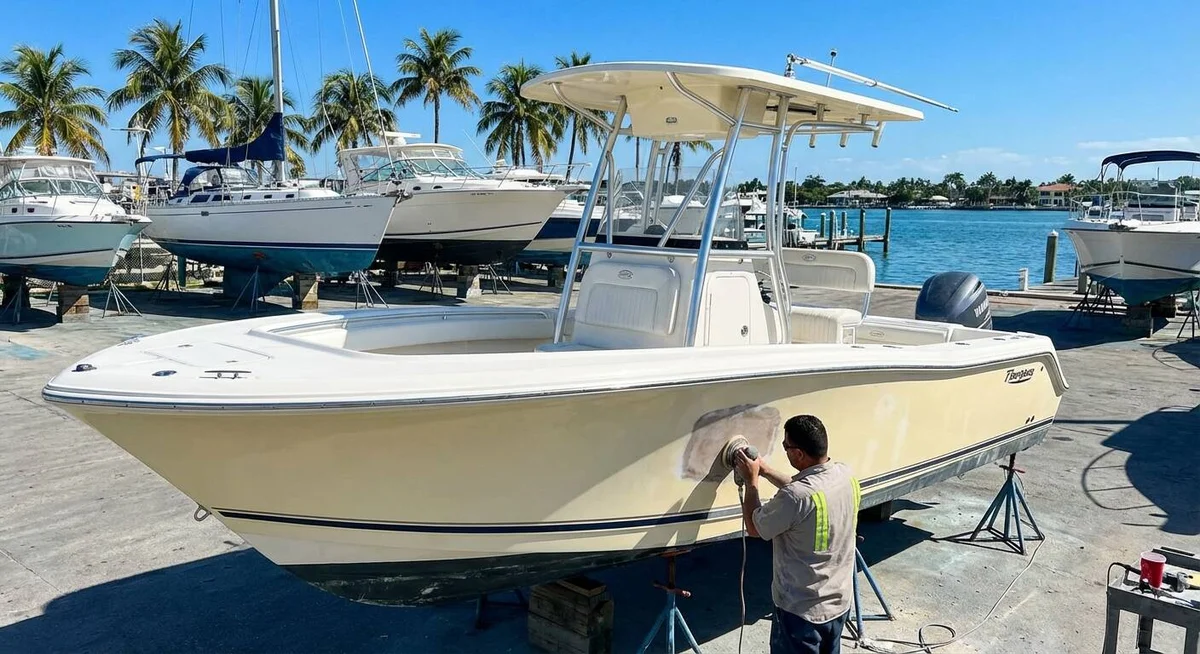
Fiberglass Repair
Our fiberglass repair services restore your boat's hull and structure, crucial for withstanding Miami's salt water and s...

Need 100-Hour Service in Miami?
Our certified marine mechanics are ready to help. Call us today for fast, reliable service anywhere in the Miami area.