Blinking vs Steady: Two Very Different Messages
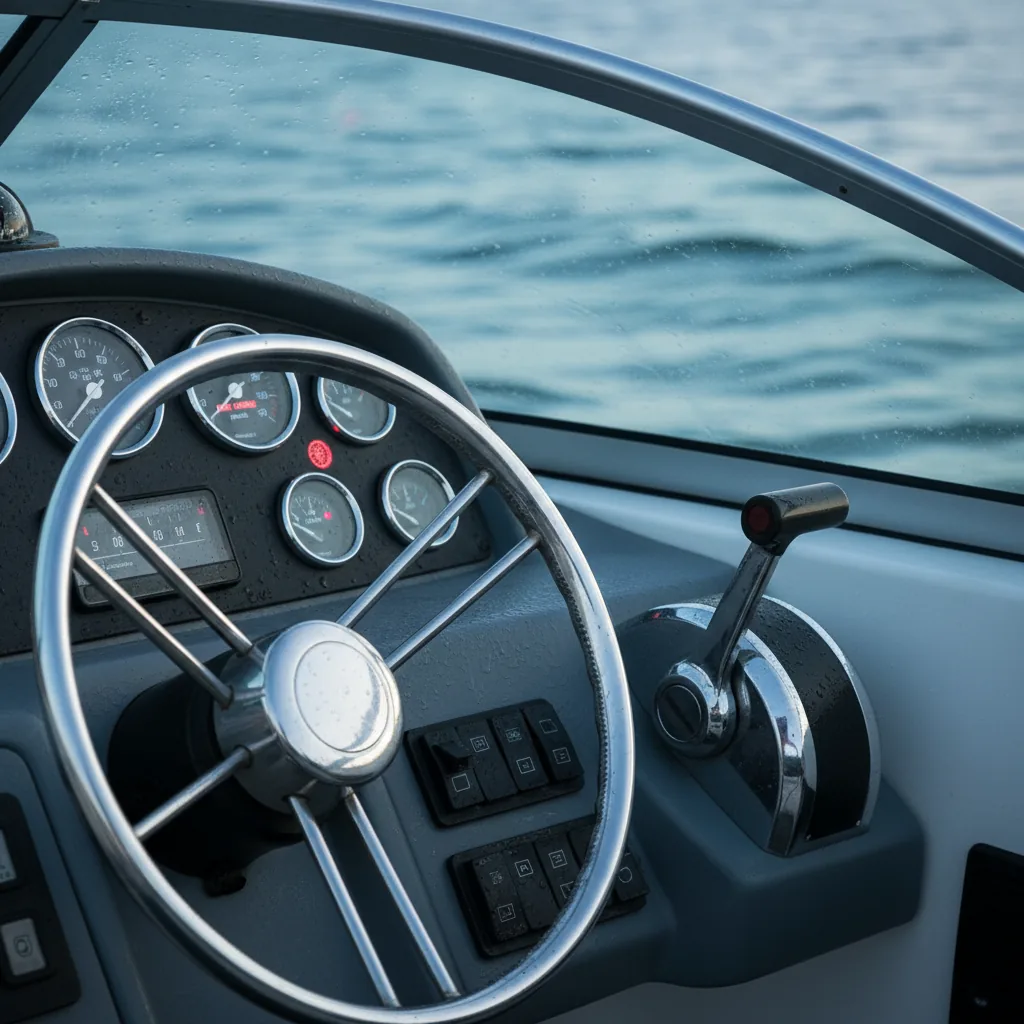
A steady check engine light usually signals a stored fault or a minor advisory. A blinking light is the ECU actively transmitting a live code right now. On the water off Miami, that difference matters.
Blinking almost always pairs with an audible alarm beep. The rhythm of the blink and beep is the code itself. Your outboard is literally talking to you in patterned pulses.
Ignoring a blinking light is how powerheads die. Modern engines run guardian mode and will drop RPM automatically to protect internal parts. If you feel the throttle go soft, that is not a fuel problem. That is the ECU saving your motor.
Brand-Specific Blink Patterns You Should Recognize
Yamaha outboards use a beep count tied to the warning system. One long beep every few seconds means overheat. Short rapid beeps point to low oil pressure. A continuous tone usually signals water in the fuel separator.
Mercury engines with SmartCraft push a numeric fault code to the gauge or VesselView screen. The blinking check engine icon means the ECU has logged an active code that a scan tool can pull. Without the gauge, the warning horn pattern still tells the story.
Suzuki four-strokes use a self-diagnostic mode where the rev limiter warning lamp blinks in groups. Two blinks, pause, three blinks translates to code 23, for example. Our team handles all three brands through OEM diagnostics and alarm codes service.
The Four Most Common Causes We See
Low oil pressure is the most urgent. A clogged oil pickup, failing pump, or low sump level will trigger a blink within seconds. Keep running and you will spin a bearing. Shut down and call for help.
Overheat warnings come second, and they are epidemic in Biscayne Bay. A plastic bag on the lower unit intake, a worn impeller, or a salt-crusted powerhead block all trigger the code. Check your telltale stream the moment the alarm sounds.
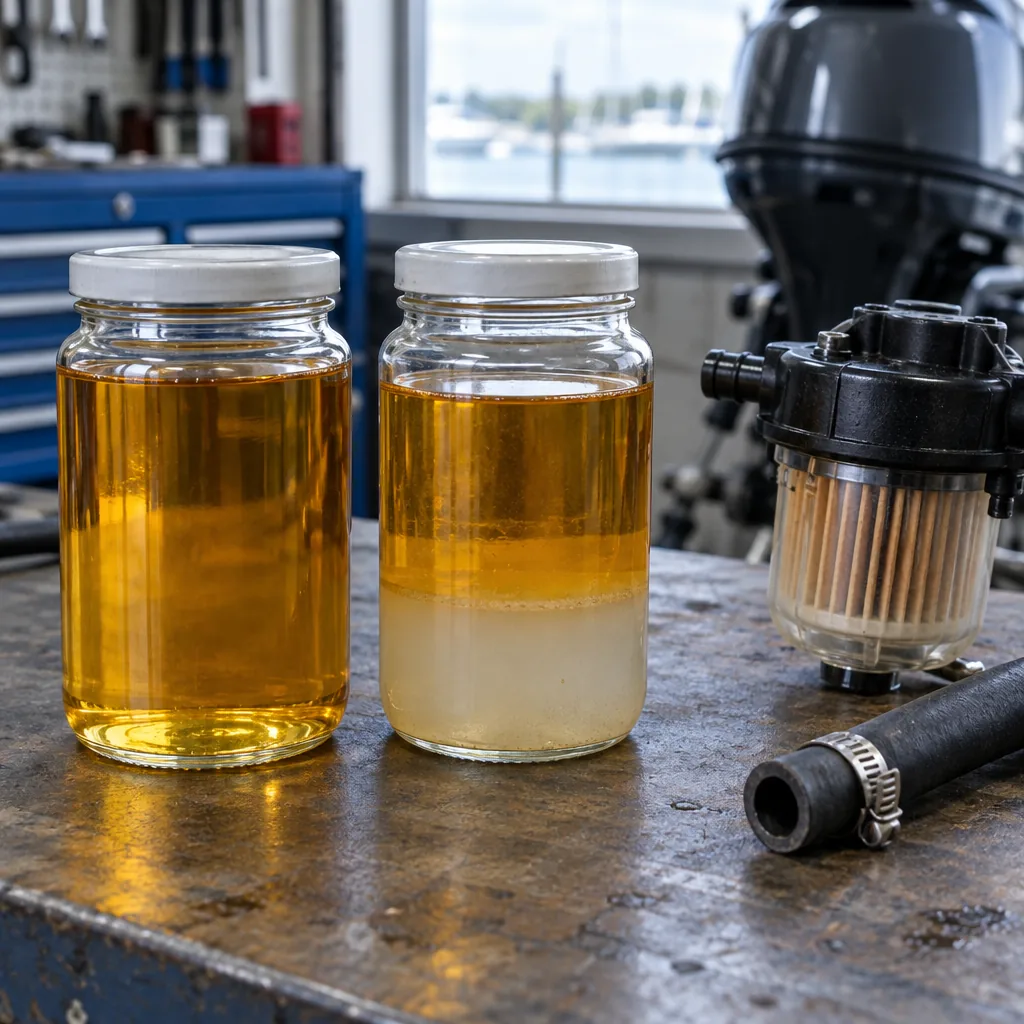
Fuel restriction faults usually mean a dirty water-separating filter or a collapsing primer bulb. The ECU sees low fuel pressure and throws the code to protect the injectors. Sensor faults round out the top four, often a bad MAP, TPS, or knock sensor.
What To Do The Moment It Starts Mid-Run
First, reduce RPM immediately. Drop to idle or a slow troll. High load on a warning engine is how thousand dollar problems become ten thousand dollar problems.
Second, look at your cooling telltale. No water stream means stop the engine now and tilt up to check the intake. A weak stream means head for the nearest ramp at low RPM.
Third, check your oil window if accessible and the fuel filter bowl for water. Do not unplug the gauge or pull the warning horn fuse. We have seen that trick destroy two Yamaha F300s this year alone near Key Biscayne. If you are stuck, call (305) 290-2701 and we will come to the ramp.
Why A Proper Scan Tool Read Is The Next Step
A blinking light tells you a system failed. It does not tell you which sensor, which circuit, or which cylinder. Only a YDS, CDS G3, or SDS scan tool pulls the exact numeric code and freeze-frame data from the ECU.
Our mobile marine mechanics carry factory scan tools for Yamaha, Mercury, Suzuki, and Honda. We plug into the diagnostic port at your slip or driveway and read the codes in minutes. That data shows RPM, coolant temp, and throttle position at the moment the fault triggered.
From there, repair is targeted. No parts-cannon guessing. If your outboard is due for service anyway, we pair the diagnostic with a 100-hour service to reset the clock and clear the codes cleanly. For deeper issues, our outboard engine repair crew handles powerhead work in-house.
Do Not Wait For The Next Trip
Every hour you run on an active code adds wear to parts that were already warning you. A two hundred dollar scan today beats a twelve thousand dollar powerhead next month. That math has not changed since outboards went fuel-injected.
If the light is on right now, shut it down and call us. We cover Miami-Dade and Broward with fully stocked service trucks seven days a week. Dial our team and we will get a technician to your boat today.
Stop Running That Engine Until It Is Scanned
A blinking light is a stored fault waiting to become a destroyed powerhead. The fix is almost always cheap if caught now and almost always catastrophic if ignored. Our techs carry factory YDS, CDS G3, and SDS scan tools and pull the exact code at your slip in roughly 20 minutes. Same-day diagnostic appointments available across Miami-Dade and Broward, seven days a week. Call (305) 290-2701 or book an emergency engine diagnostic before the next time you take it out.
Frequently Asked Questions
Can I keep running my outboard with the check engine light blinking?
No. A blinking light means an active fault, and the ECU will usually drop you into guardian mode to limit RPM. Reduce throttle, head in at idle, and get a scan tool read before the next trip.
How do I read a Yamaha warning beep pattern?
Count the beeps. One continuous long tone is overheat, short rapid beeps are low oil pressure, and a steady buzz usually means water in the fuel. A factory YDS scan tool confirms the exact code.
Is it safe to disconnect the warning horn to silence the alarm?
Never. The horn is your only audible warning that the ECU has detected a failure. Silencing it will not clear the fault, and it often leads to powerhead damage that is not covered under warranty.
How much does an outboard diagnostic scan cost in Miami?
Our mobile diagnostic service starts around the cost of a typical service call and includes a full code pull, freeze-frame review, and a written repair estimate. Call for current pricing.
Will a scan tool clear the code permanently?
Only if the underlying problem is fixed. Clearing a code on a failing sensor or low oil pressure condition will just trigger the same blink again within minutes of running the engine.