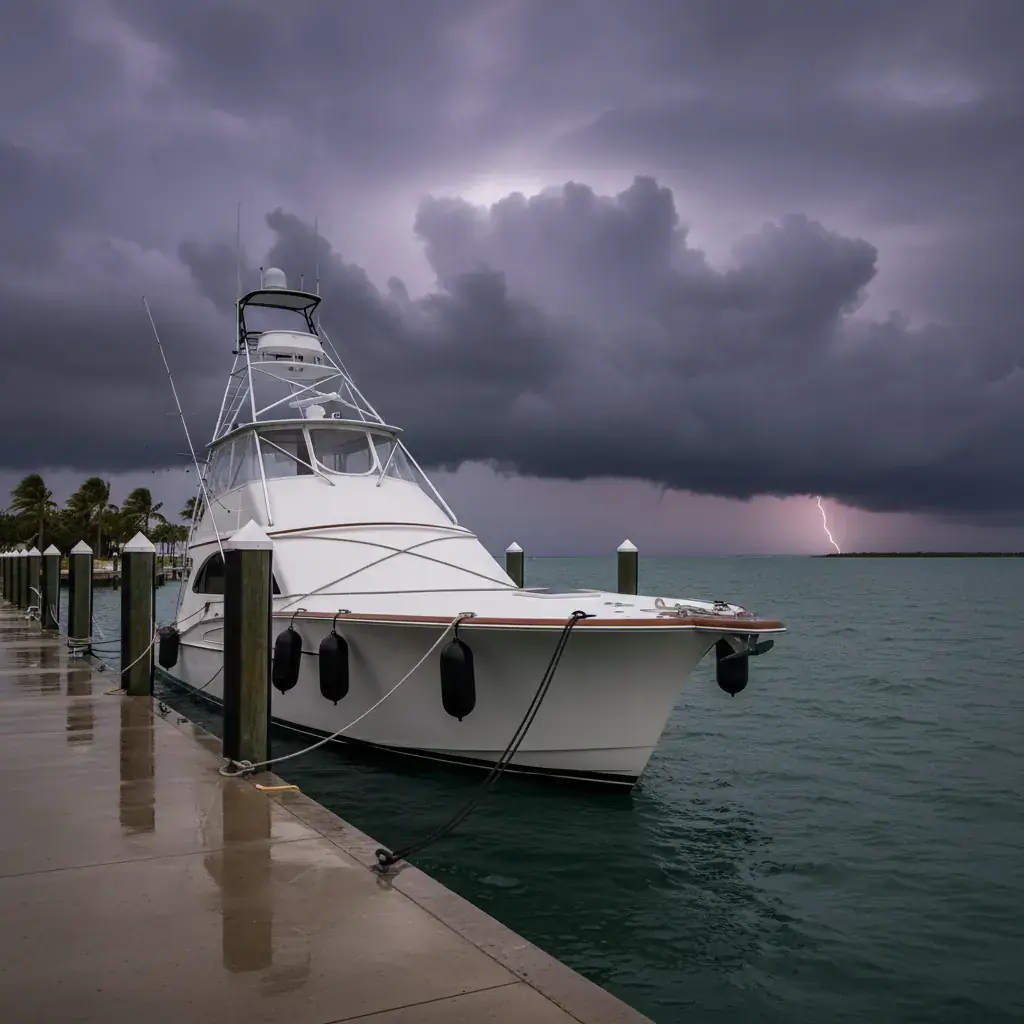
Boat Hurricane Prep in Miami
Pre-storm preparation, dock-vs-haul decisions, line plans, and post-storm assessment for South Florida hurricane season
Miami Hurricane Prep Specialists
Irma in 2017 sank or totaled thousands of Miami boats. Most were lost because their owners were in Miami Beach hotels trying to ride out the storm, not at the dock retying lines. Real hurricane prep starts weeks before the first forecast cone appears, and it has a right way and a wrong way. We help Miami boat owners prepare correctly before the storm and assess damage after.
Hurricane Season: June through November
Atlantic hurricane season runs officially from June 1 to November 30. Peak activity for South Florida is mid-August through late October. We recommend having your hurricane plan set and your boat pre-staged by June 1, then reviewed monthly through the season.
Haul or Stay in Water: The Decision
The single biggest hurricane prep decision is whether to haul the boat out or leave it at the dock. There is no universal right answer. Key factors:
- Boat size and weight: Boats under 30 feet are usually easier to haul and store ashore. Very large boats (50+ feet) often fare better in the water at a secure marina.
- Storm intensity forecast: Category 1-2 storms favor in-water plans at protected marinas. Category 3+ strongly favor haul-out and inland storage.
- Marina quality: Some Miami marinas have good floating docks, deep basin design, and hurricane holes. Others are exposed and will grind boats against pilings.
- Yard availability: Local yards fill up fast. If you want a haul-out you need to book weeks ahead, not days.
- Storm surge risk: Low-lying yards can flood. If the boat is on stands in a flooded yard, surge can float it off and carry it into neighbors, docks, or buildings.
We help you work through this decision based on your specific boat, your marina, and the forecast. Book the call early in the season, not 72 hours before landfall when yards are already full.
In-Water Hurricane Prep Checklist
If you are staying in the water, proper prep takes hours, not minutes. Minimum prep:
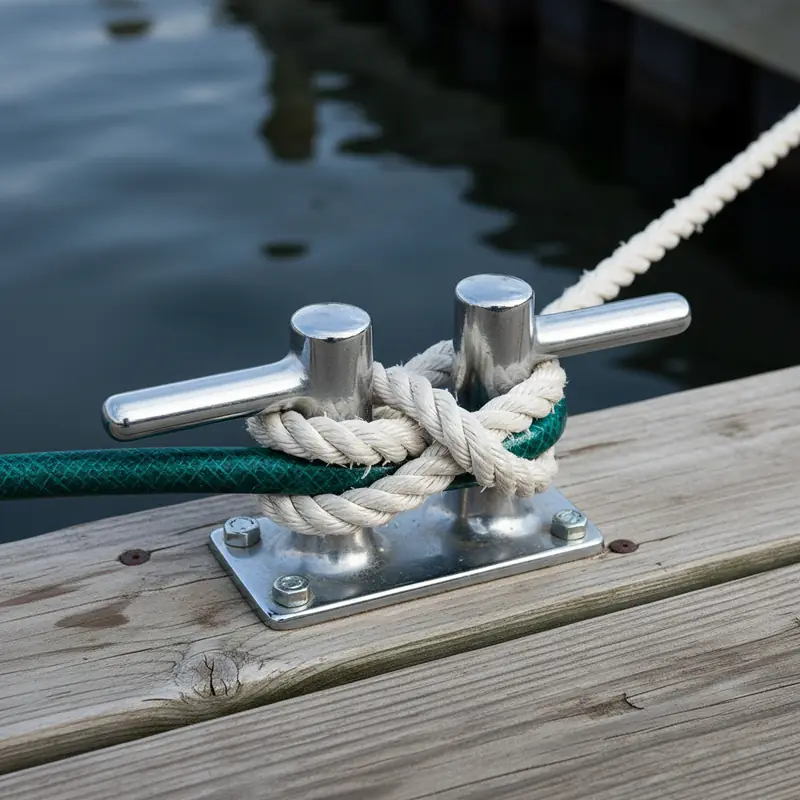
- Double up dock lines: extra spring lines, breast lines, and stern lines
- Use at least 2x the normal line diameter for storm conditions
- Chafe protection on every line at every rub point (garden hose, leather, or commercial chafe gear)
- Remove all canvas: bimini, enclosure, sun covers, boat covers
- Remove outriggers and antennas that can whip and break
- Close and tape all hatches, ports, and vents
- Disconnect shore power, remove electronics where feasible
- Disconnect batteries or isolate at the master switch
- Fill fuel tanks (more weight, less condensation)
- Close all seacocks
- Document the boat with photos and video for insurance
Haul-Out Prep
If the boat is being hauled, the yard usually handles strap placement and stand setup. Your responsibilities:
- Coordinate haul-out booking weeks in advance, not during the storm watch
- Drain live wells, coolers, and any containers that can take on rain water
- Secure loose items below deck
- Remove electronics if possible
- Disconnect batteries
- Close all seacocks and fill the engine block with fresh water if the yard stores more than a few days
- Remove canvas and isinglass
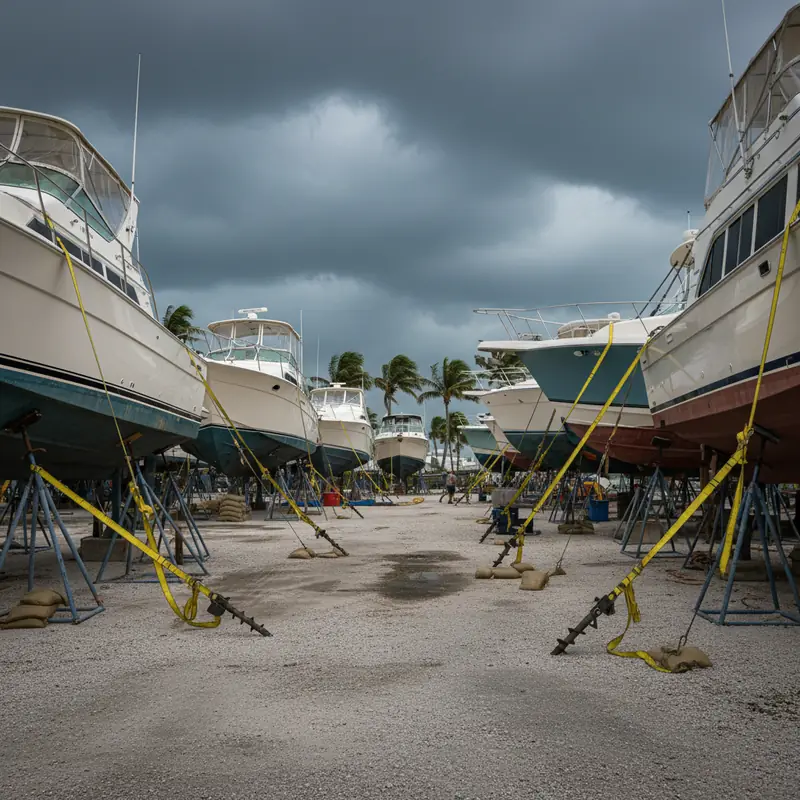
- Lash the boat to the jack stands and stands to the ground where possible
- Photograph the haul-out and storage positioning for insurance
Documentation for Insurance
This is the step most boat owners skip and regret. Before every storm, document:
- Exterior photos from all four sides, bow, stern, and overhead
- Interior photos of every compartment
- Engine compartment photos
- Electronics and equipment serial numbers
- Current state of sails, canvas, and equipment
- Your written hurricane plan, dated and signed
- Dock line plan with photos of chafe protection
Most marine insurance policies require a written hurricane plan and proper preparation. Claims get denied when owners cannot document that they took reasonable precautions.
Post-Storm Assessment
When we come back after the storm, we assess damage in order of urgency. Hidden water intrusion is the biggest post-storm concern, especially in bilges, hatches, and electrical lockers. We check for:
- Hull damage at dock contact points and waterline
- Water intrusion below deck and in engine compartments
- Electrical damage from salt water or submerged components
- Rig and mast damage on sailboats
- Engine damage from salt water, debris, or flooding
- Running gear and prop damage from debris
- Fuel contamination from water intrusion
We prioritize repairs by safety and further-damage prevention, handle insurance photo documentation, and start the repair process.
Hurricane season prep should start in May, not September. Call (305) 290-2701 or request a hurricane prep consultation well ahead of the next named storm.
Know the Signs
Hurricane Season Prep Triggers
If you notice any of these warning signs, contact our team right away. Early diagnosis saves you time and money on repairs.
Named storm forms in the Atlantic or Caribbean
NHC forecast cone includes South Florida
72-hour watch issued for Miami-Dade
Dock lines older than 3 years or showing chafe wear
Last hurricane prep was more than 2 years ago
Boat ownership, dock, or insurance changed this year
Never documented the boat for storm damage insurance
Planning to leave town before a named storm threat
Our Process
Our Hurricane Prep Process
Season Plan Consultation
Early in the season we work through haul-vs-water for your boat, book yard space if needed, and set triggers for prep actions.
Pre-Storm Prep
When a storm threatens we rig extra lines, chafe gear, hatch sealing, and system disconnects. Full photo documentation for insurance.
Storm Monitoring
We track forecast updates through the storm window and adjust plans if intensity or track changes.
Post-Storm Assessment
Once conditions are safe we return, inspect the boat, document damage, and start repairs or insurance claims work.
Miami Hurricane Prep Specialists
South Florida Boats Face the Storm Every Year
Why Choose Us
Why Choose Our Hurricane Prep Service
Written hurricane plan required by most marine insurers
Haul-out booking coordination with Miami yards
Extra dock lines, chafe gear, and proper line rigging
Full photo documentation for insurance claims
System disconnects, battery isolation, and fluid checks
Post-storm damage assessment and repair coordination
Hurricane Prep FAQ
Common questions about hurricane prep in Miami
More Services
Related Boat Repair Services
Inboard Engine Repair
Inboard and marine diesel service for cruisers, sportfishers, and express yachts. MerCruiser, Volvo Penta, Yanmar, and Cummins.
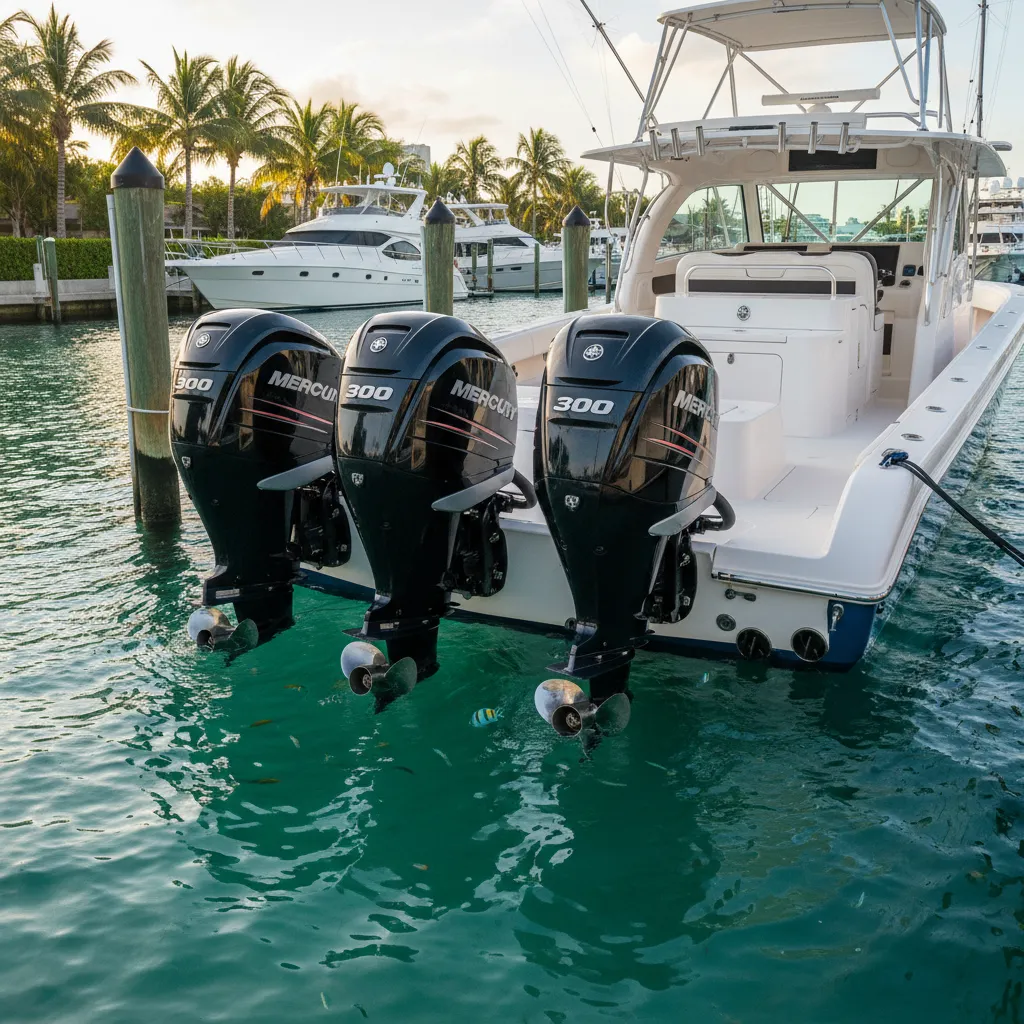
Outboard Engine Repair
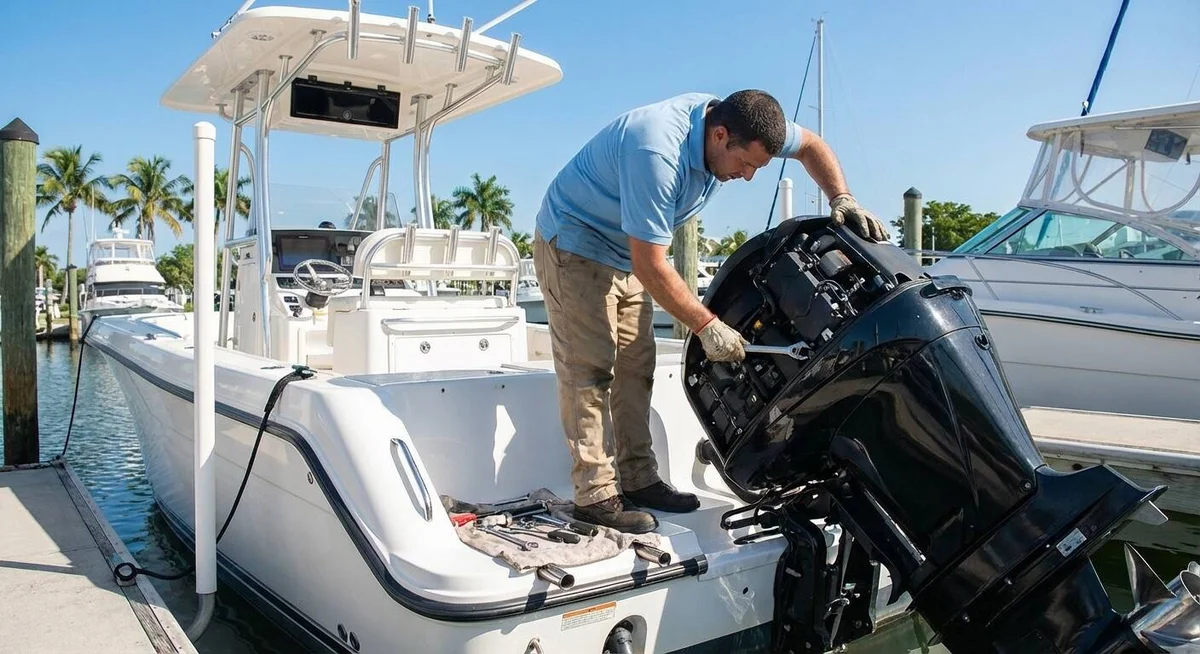
Certified Yamaha, Mercury, Suzuki, Honda, and Evinrude outboard service. 2.5hp to 600hp, 4-stroke and 2-stroke at your dock.
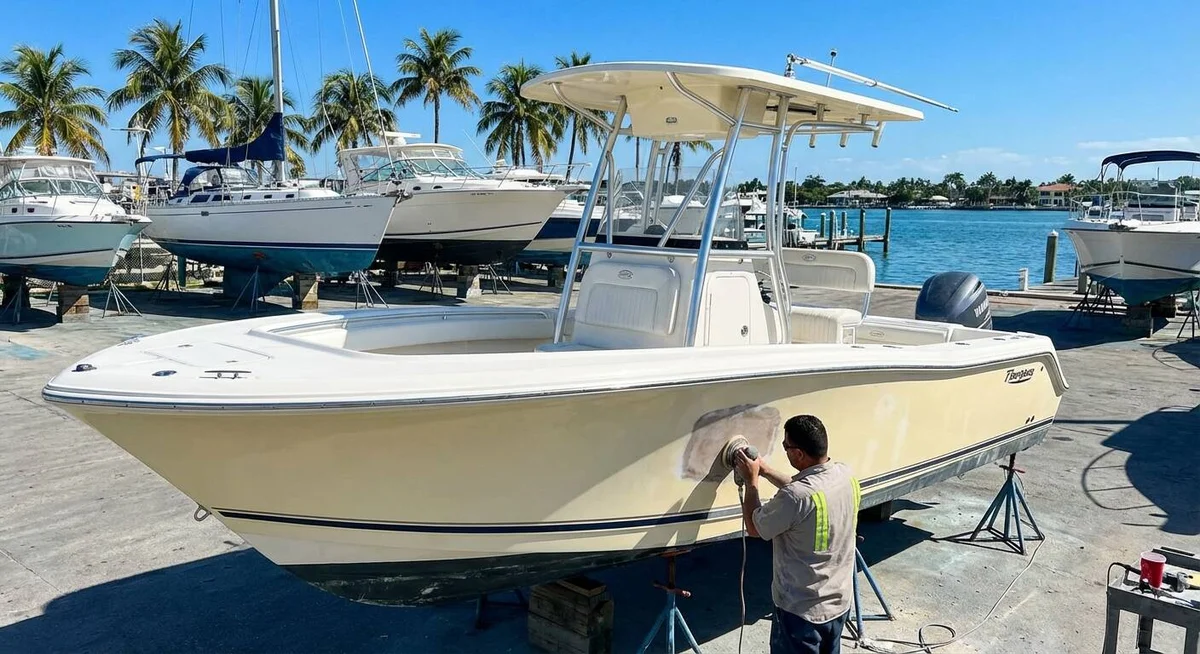
Fiberglass Repair
Hull cracks, structural damage, and stress fractures. Saltwater-grade resin and cloth repairs for Miami boats damaged by impact or wear.
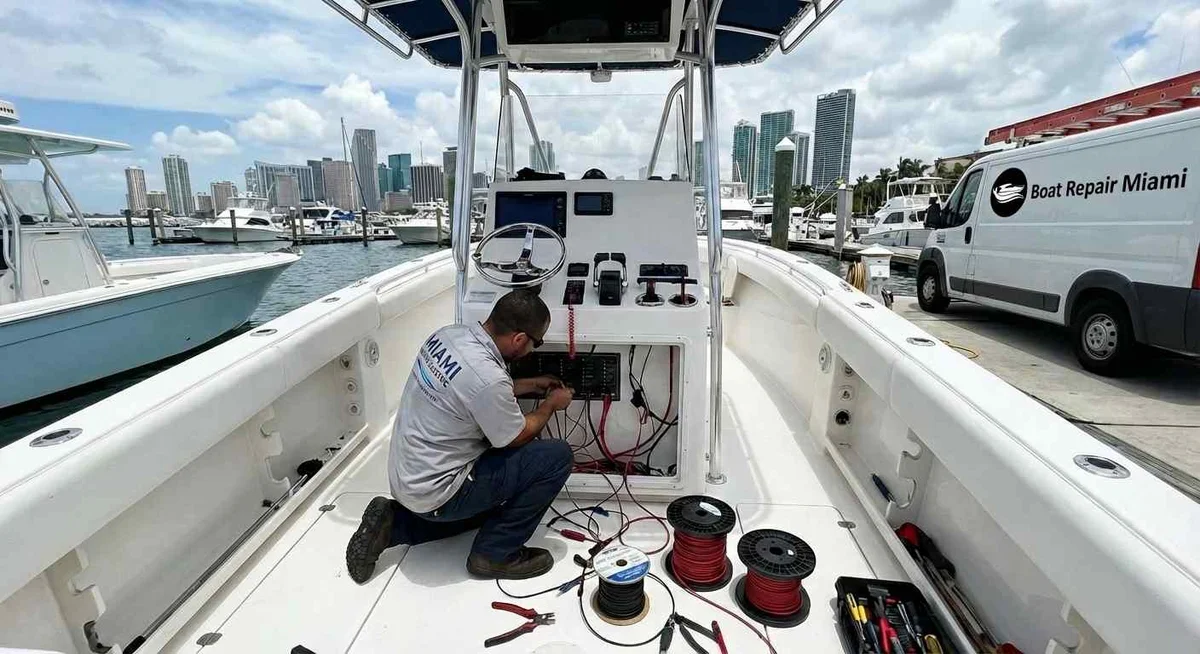
Boat Electrician
Marine electrical troubleshooting, rewiring, battery systems, and navigation wiring. Certified boat electricians servicing your dock.
Boat Cleaning
Mobile wash, wax, and detail service for boats kept in Miami marinas. Salt rinse, compound, and UV protection routines.
Boat Inspections
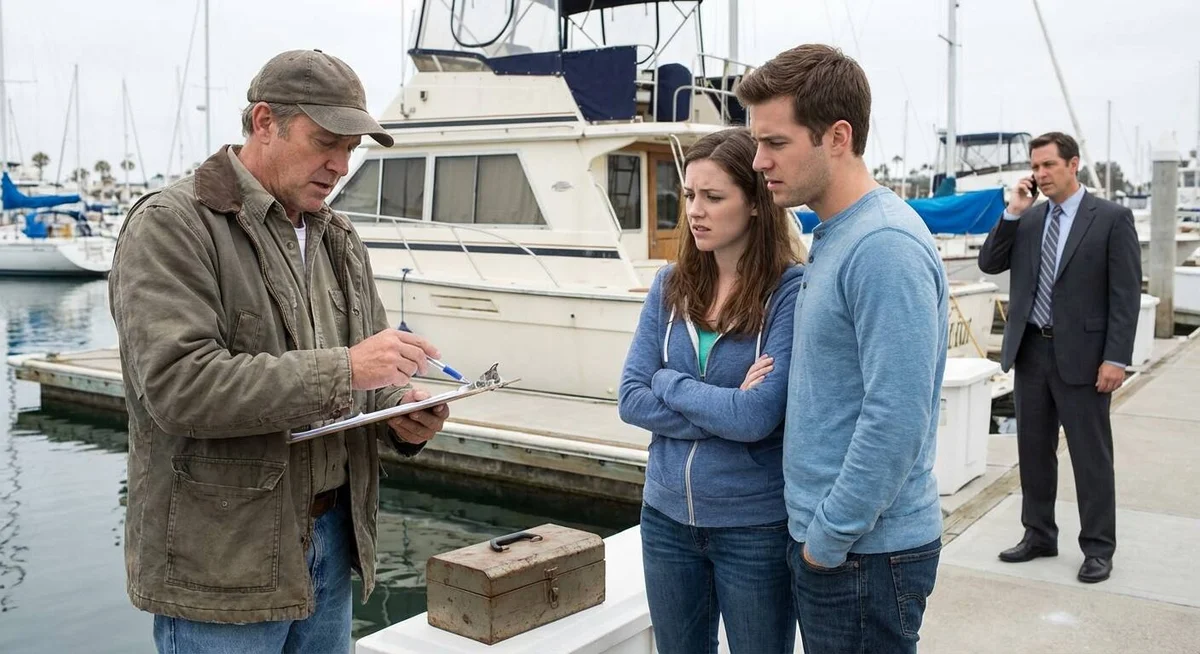
Pre-purchase surveys and used-boat inspections across South Florida. Engine, hull, electrical, and mechanical evaluations before you buy.
100-Hour Service
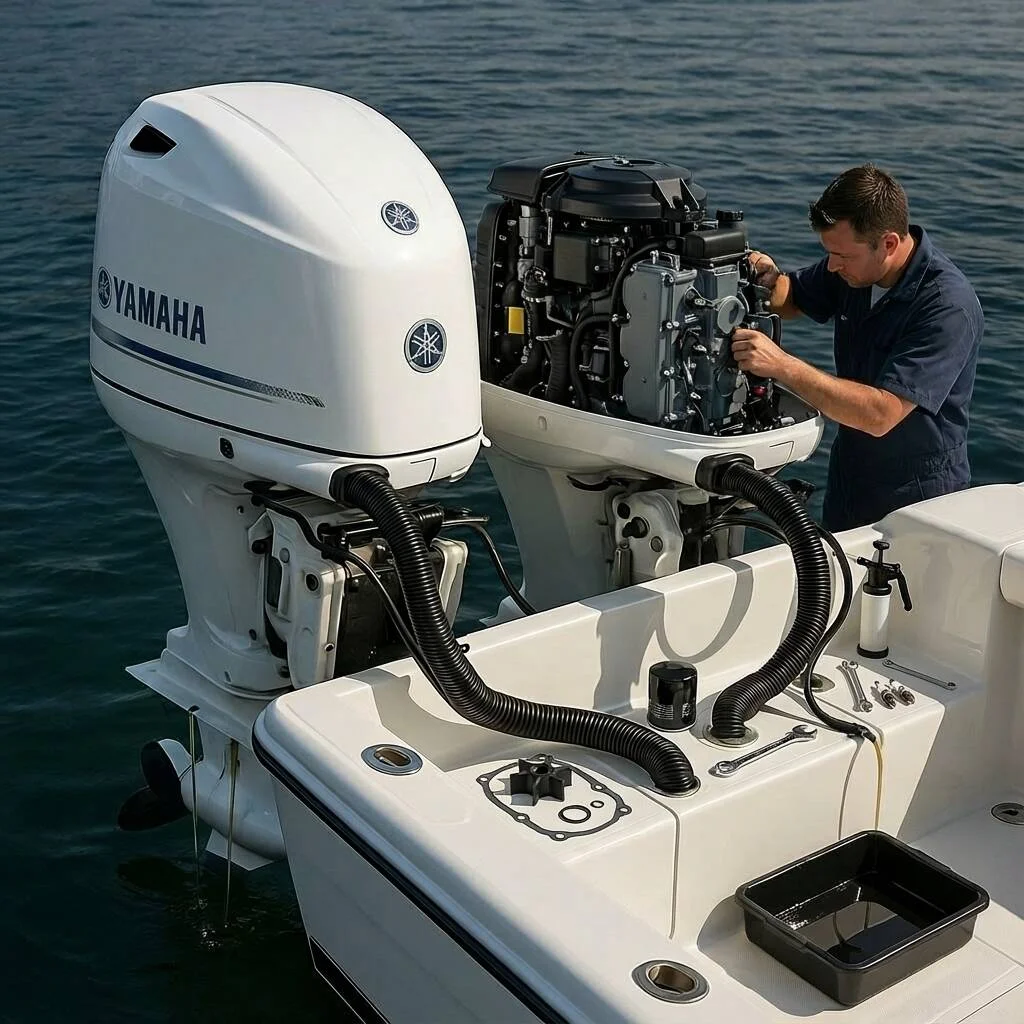
Manufacturer-recommended 100-hour maintenance for outboards. Oil, filters, gear lube, spark plugs, anodes, and water pump inspection.
Mobile Marine Mechanics
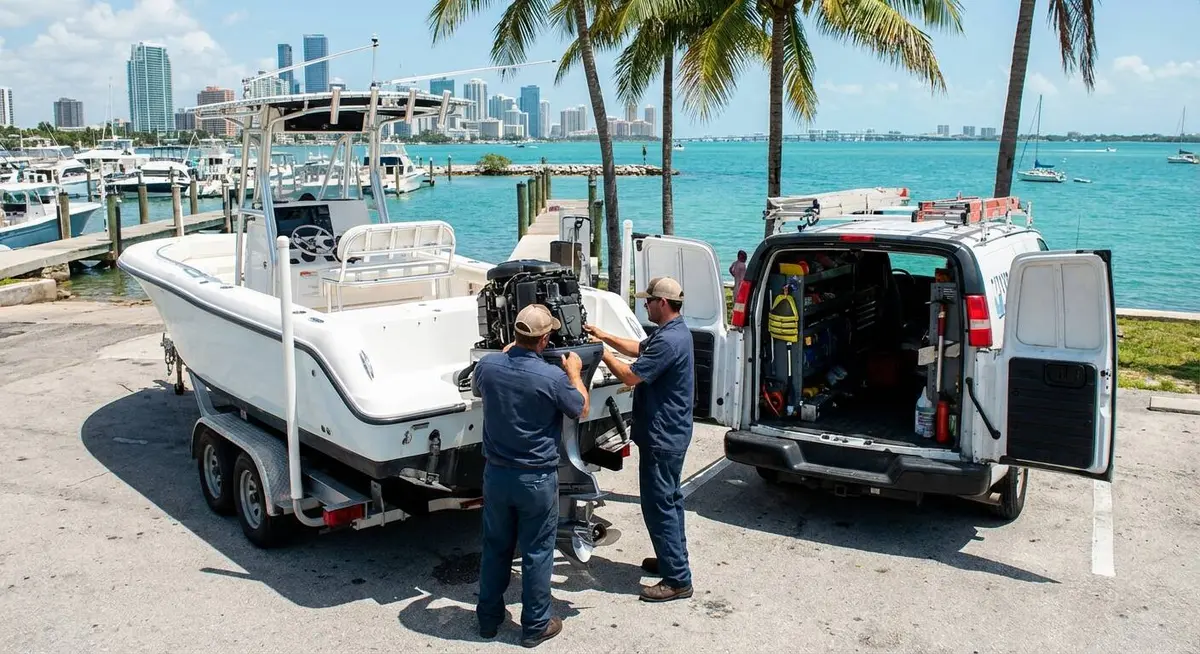
Factory-certified mechanics come to your dock 24/7 for engine, electrical, and fuel system service. On-site repair across South Florida.
Marine Electronics Installation
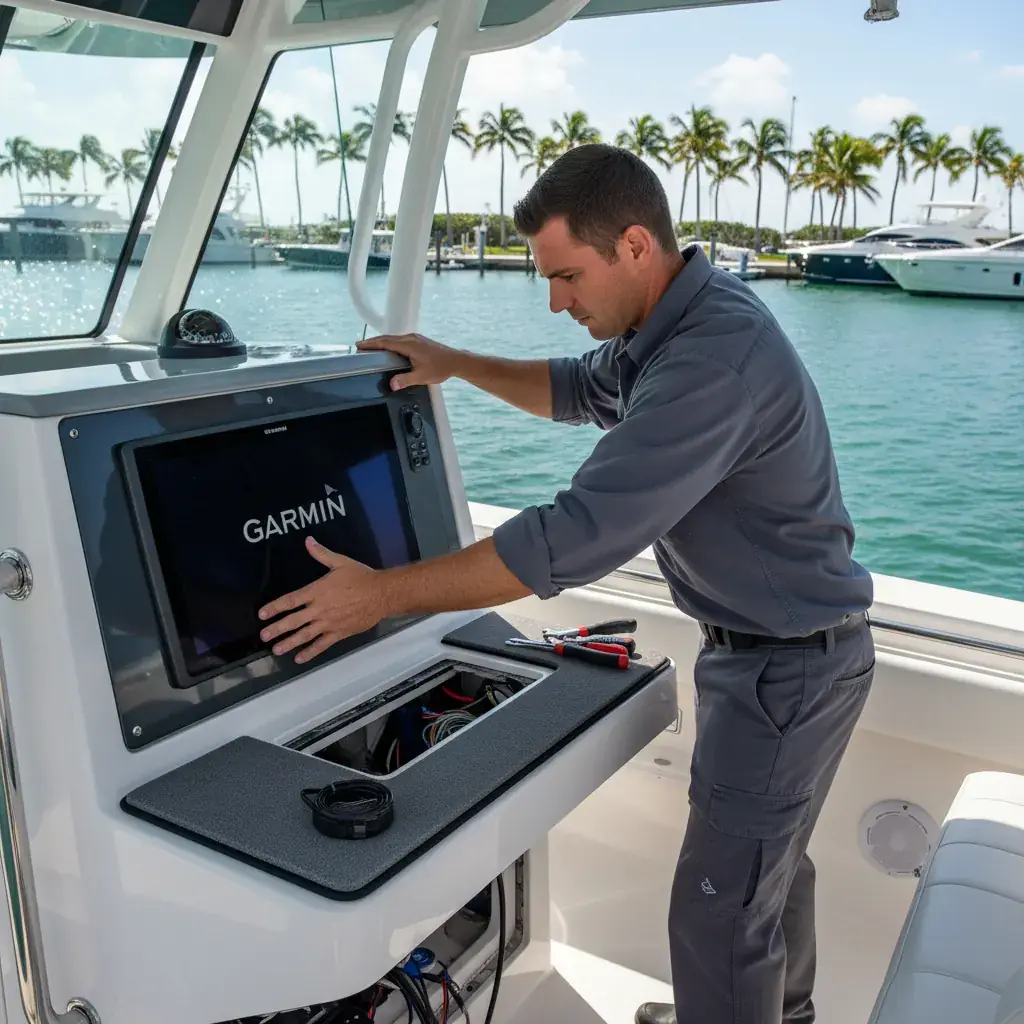
Chartplotters, radar, VHF, fishfinders, and NMEA 2000 networks installed. Garmin, Raymarine, Simrad, Lowrance, Humminbird.
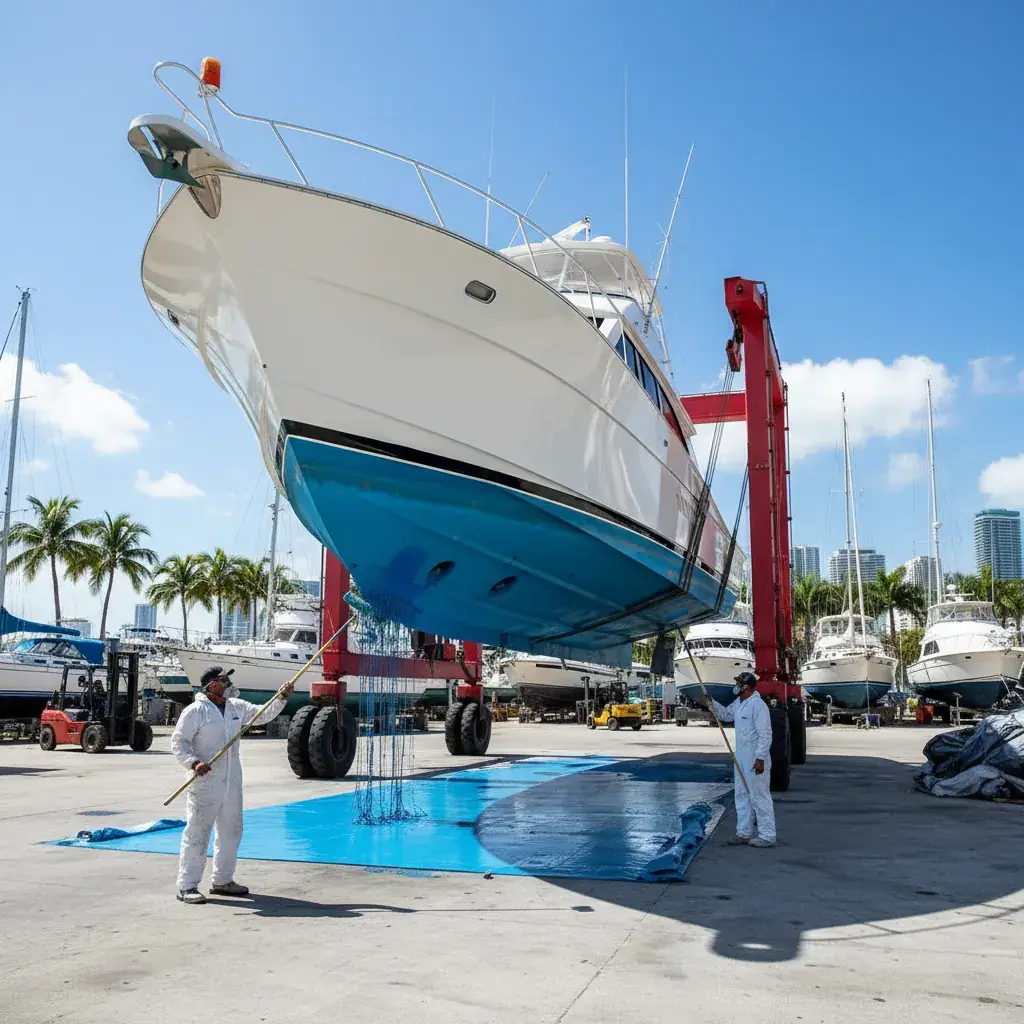
Bottom Painting
Antifouling paint, prep sanding, and haul-out coordination for Miami boats kept in the water year-round. Interlux and Pettit applicators.
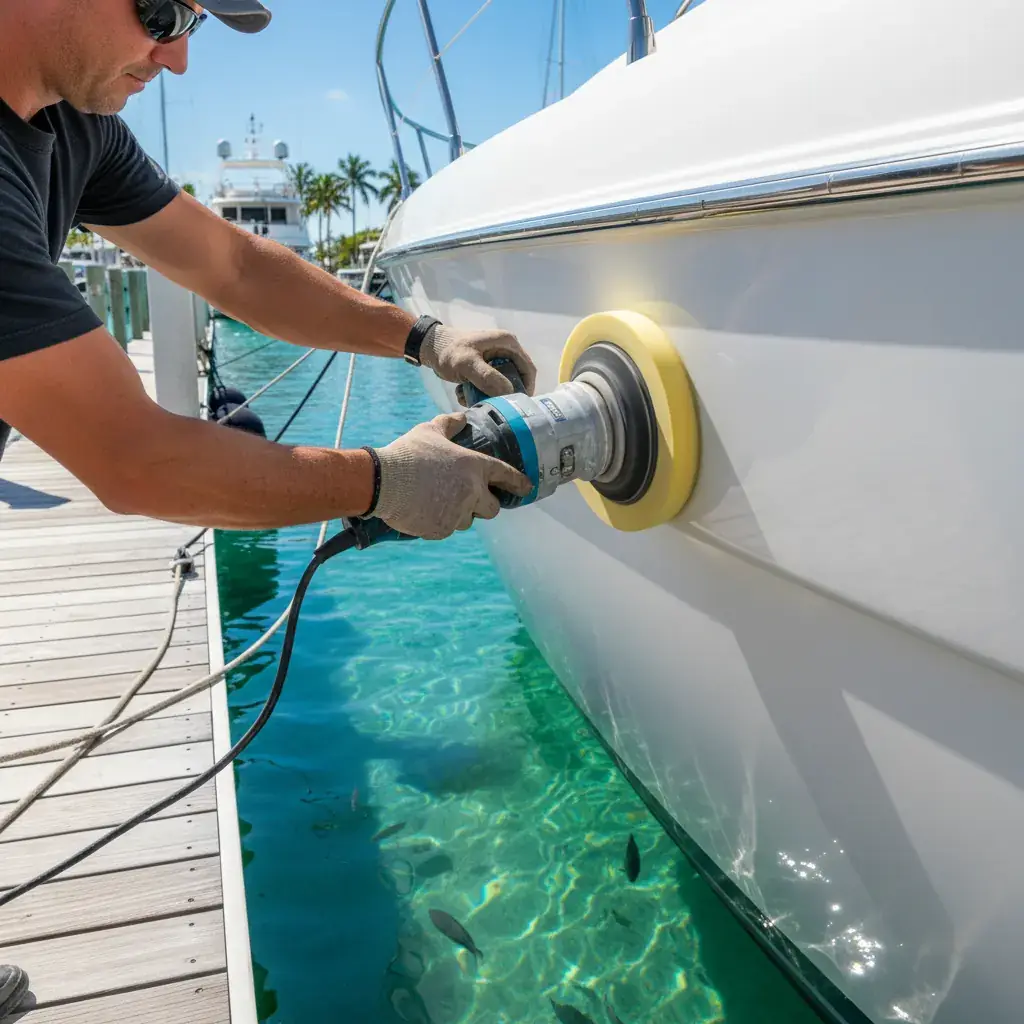
Boat Detailing
Premium wax, polish, compound, and ceramic coating. Restore UV-faded gelcoat and protect your hull from Miami sun and salt.
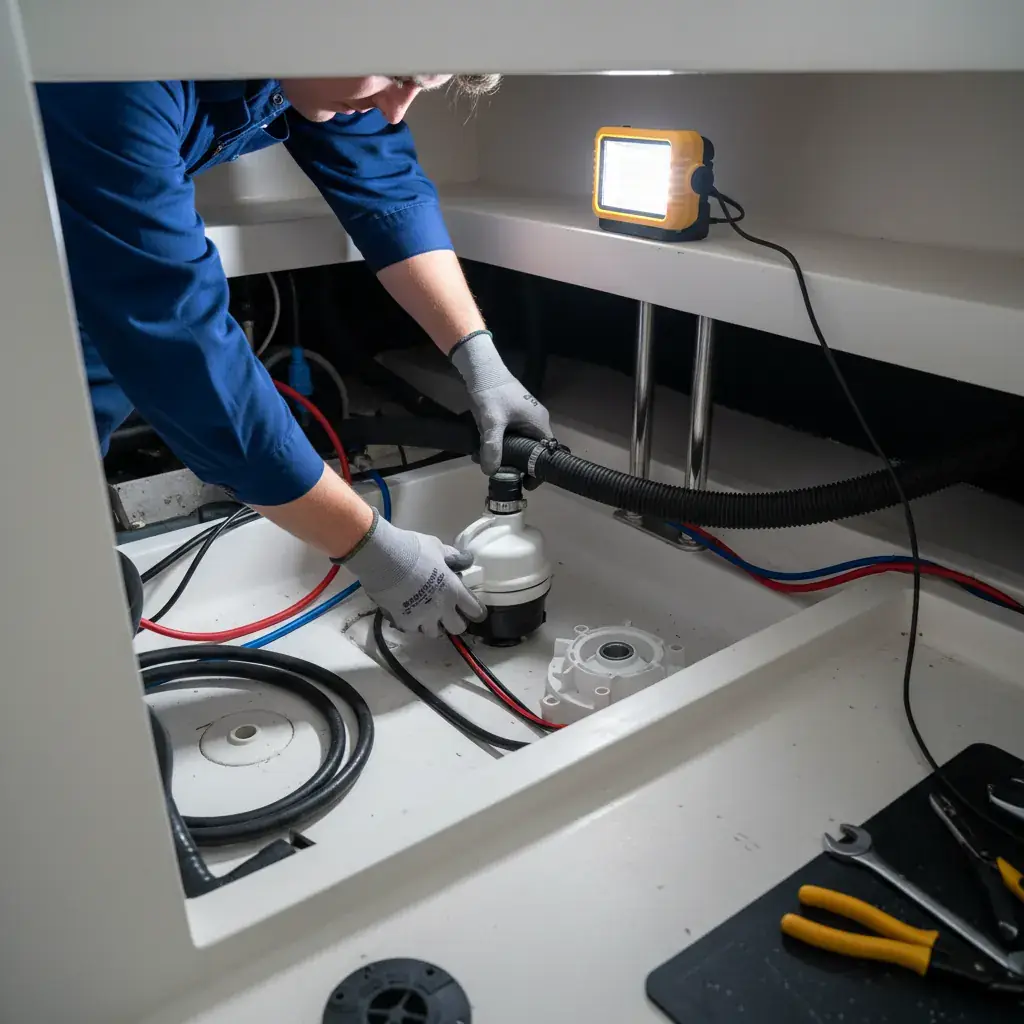
Marine Plumbing & Bilge Pumps
Bilge pump installation, freshwater systems, marine heads, livewells, and seacock service. Fix leaks before they sink the boat.
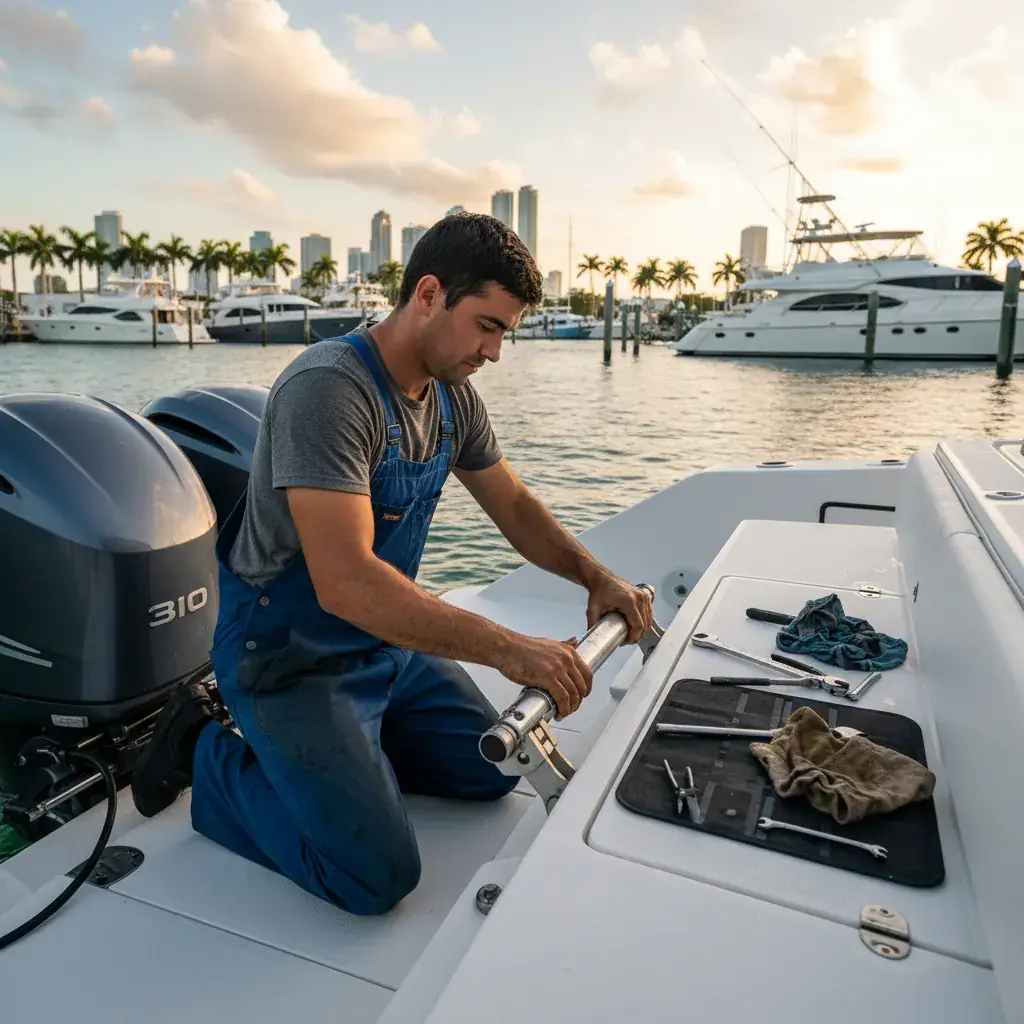
Boat Steering Repair
Hydraulic and cable steering repair, helm pump replacement, and throttle controls. SeaStar, BayStar, and Uflex certified.
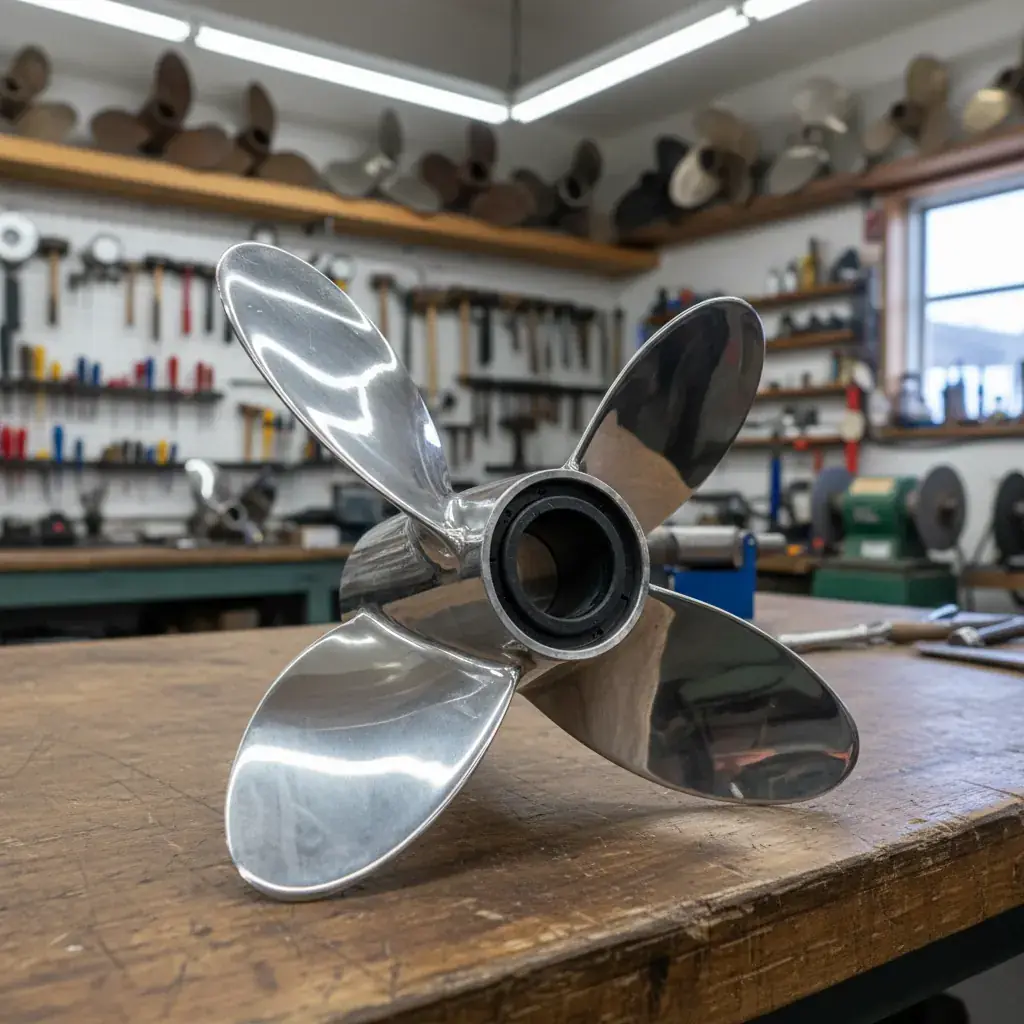
Propeller Repair
Prop reconditioning, balancing, pitch correction, and damage repair. Stainless and aluminum props restored to factory spec.
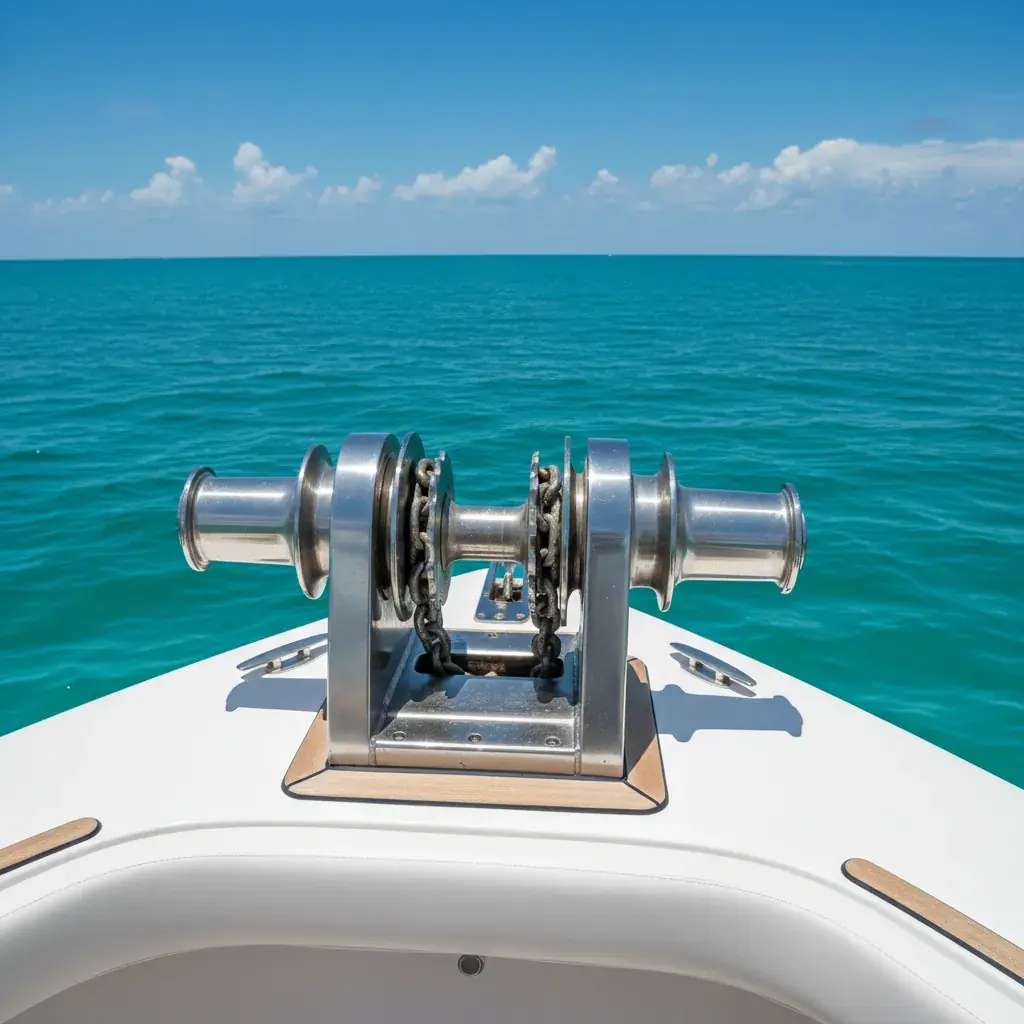
Windlass Installation
Anchor windlass install, rope/chain rode, remote switches, and rebuild service. Lewmar, Maxwell, Lofrans, and Quick systems.
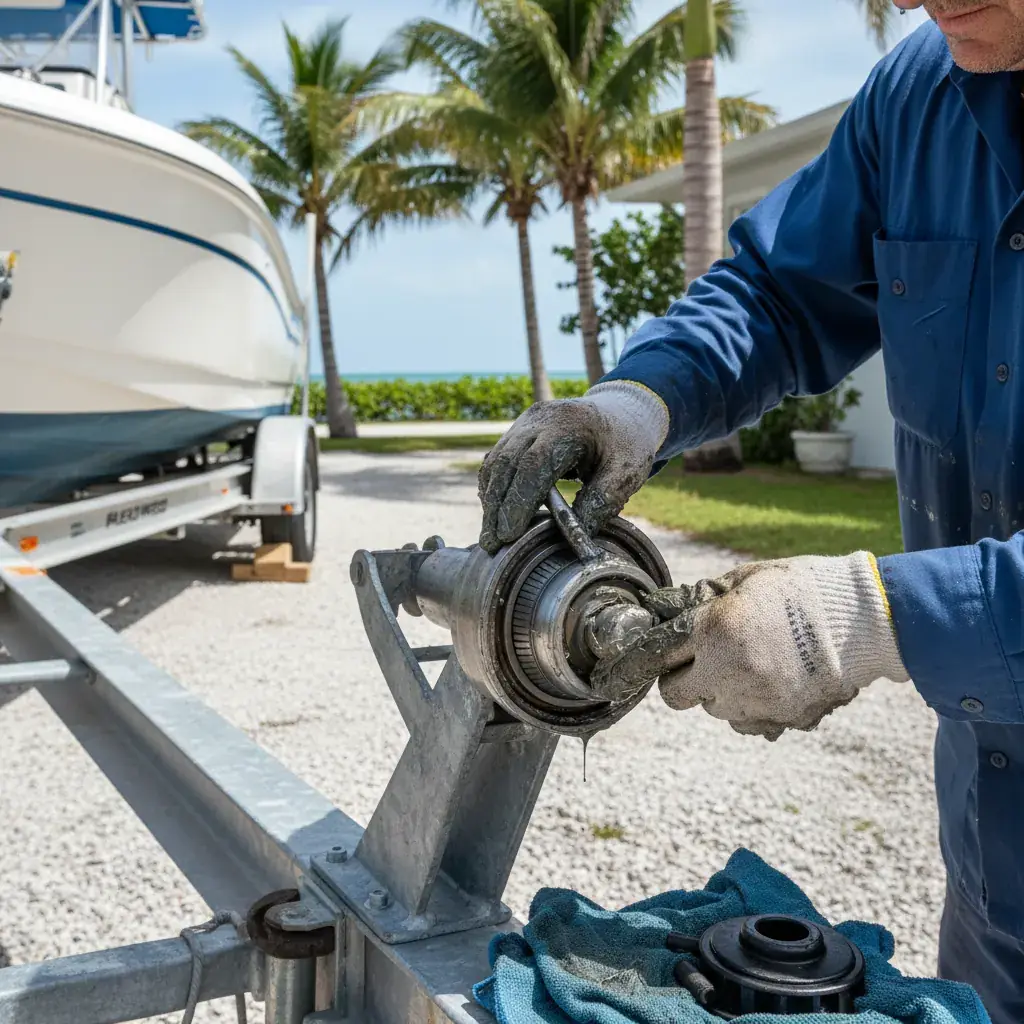
Boat Trailer Repair
Wheel bearings, surge brakes, lights, axles, and winches. Saltwater-ready boat trailer service to keep you legal on the road.
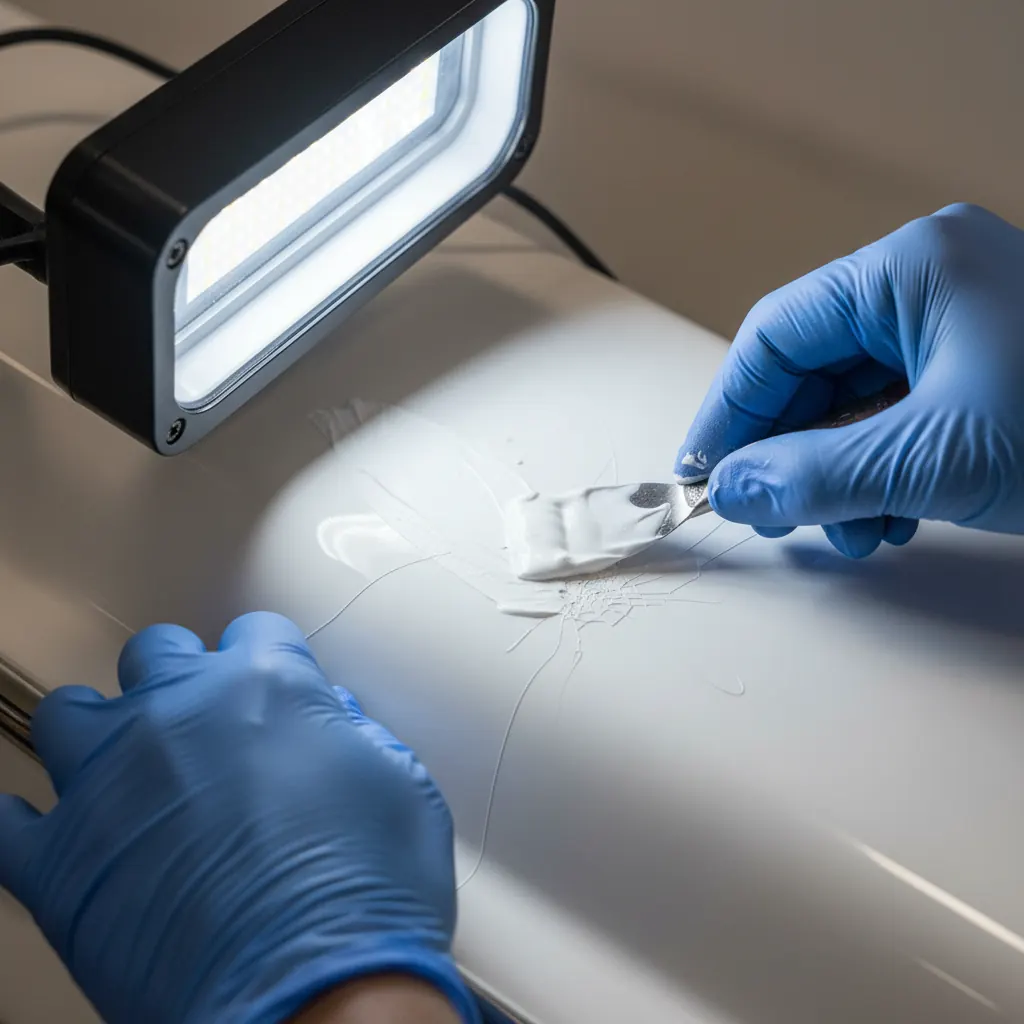
Gelcoat Repair
Spider crack repair, color-matched gelcoat, dock rash restoration, and blister repair. Restore the factory finish on your hull.
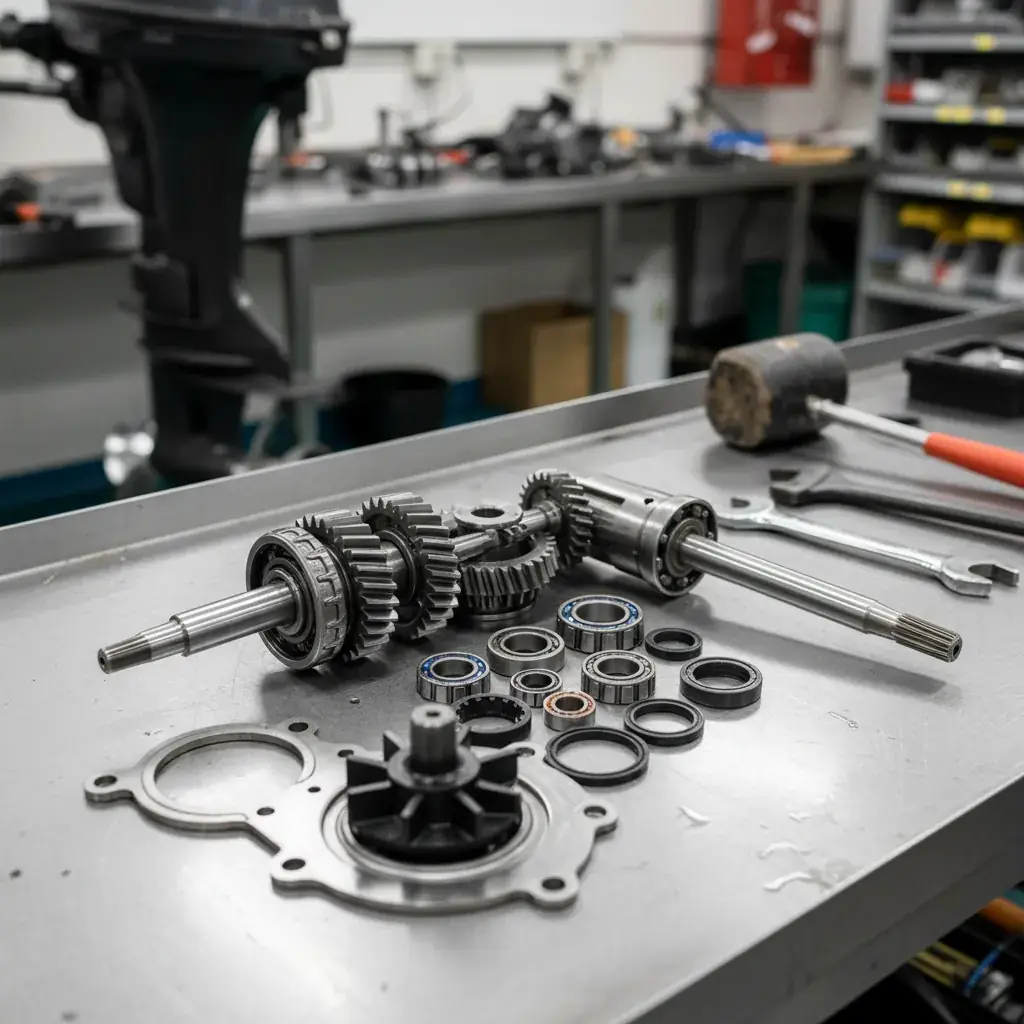
Lower Unit & Gearcase
Gearcase rebuild, seal replacement, water pump service, and gear oil changes. Fix milky oil before it destroys your lower unit.
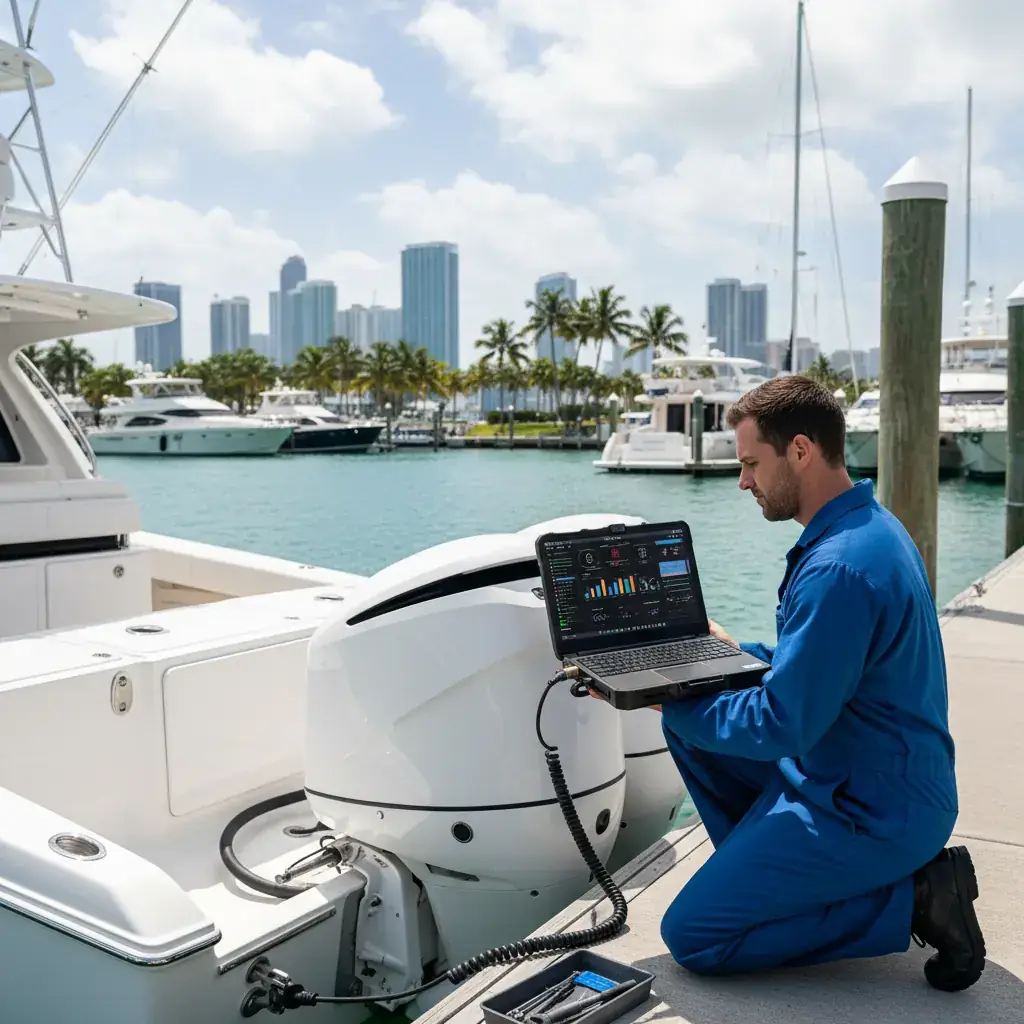
OEM Diagnostics & Alarm Codes
Factory-level engine diagnostics with YDIS, CDS G3, SDS, and HDS. Read, clear, and fix alarm codes other shops cannot.
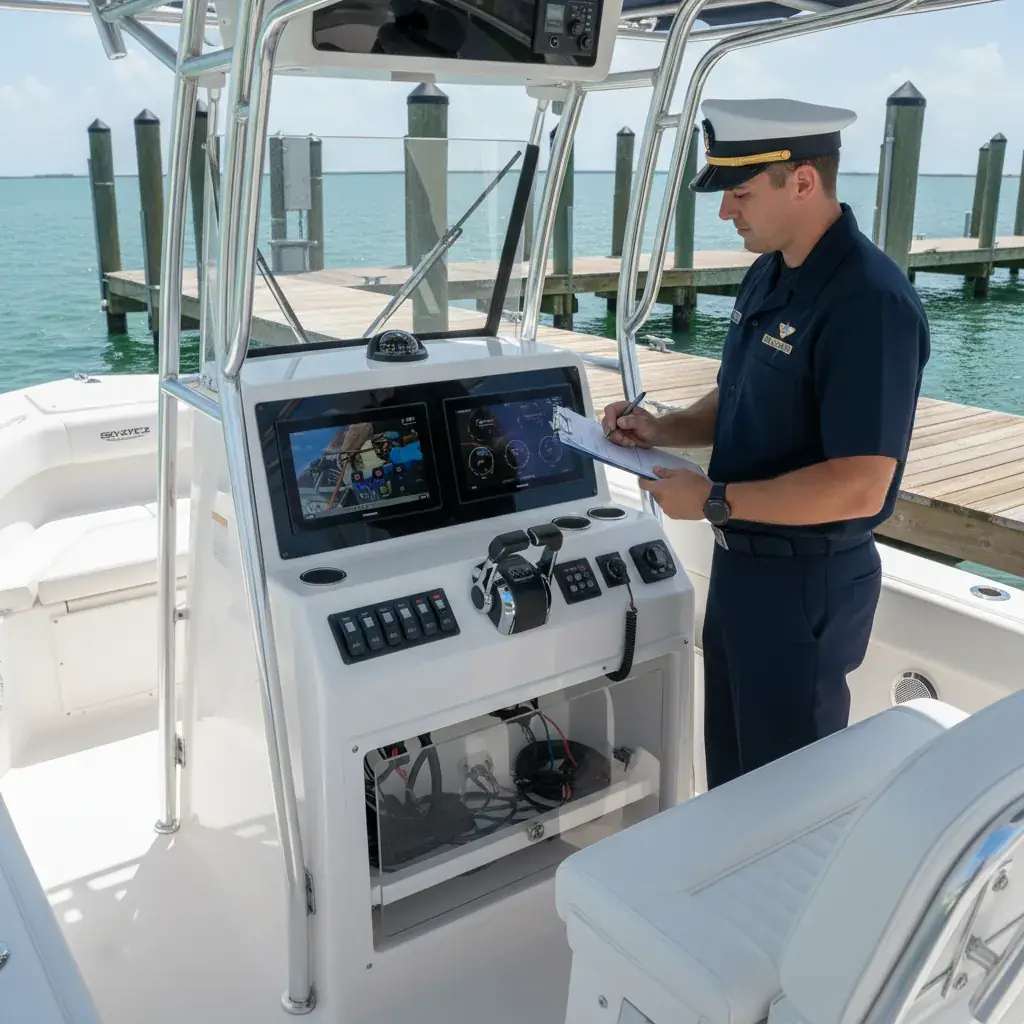
Pre-Delivery Inspection
Independent PDI for new boat buyers. Catch dealer-prep issues, missing options, and warranty items before you sign.
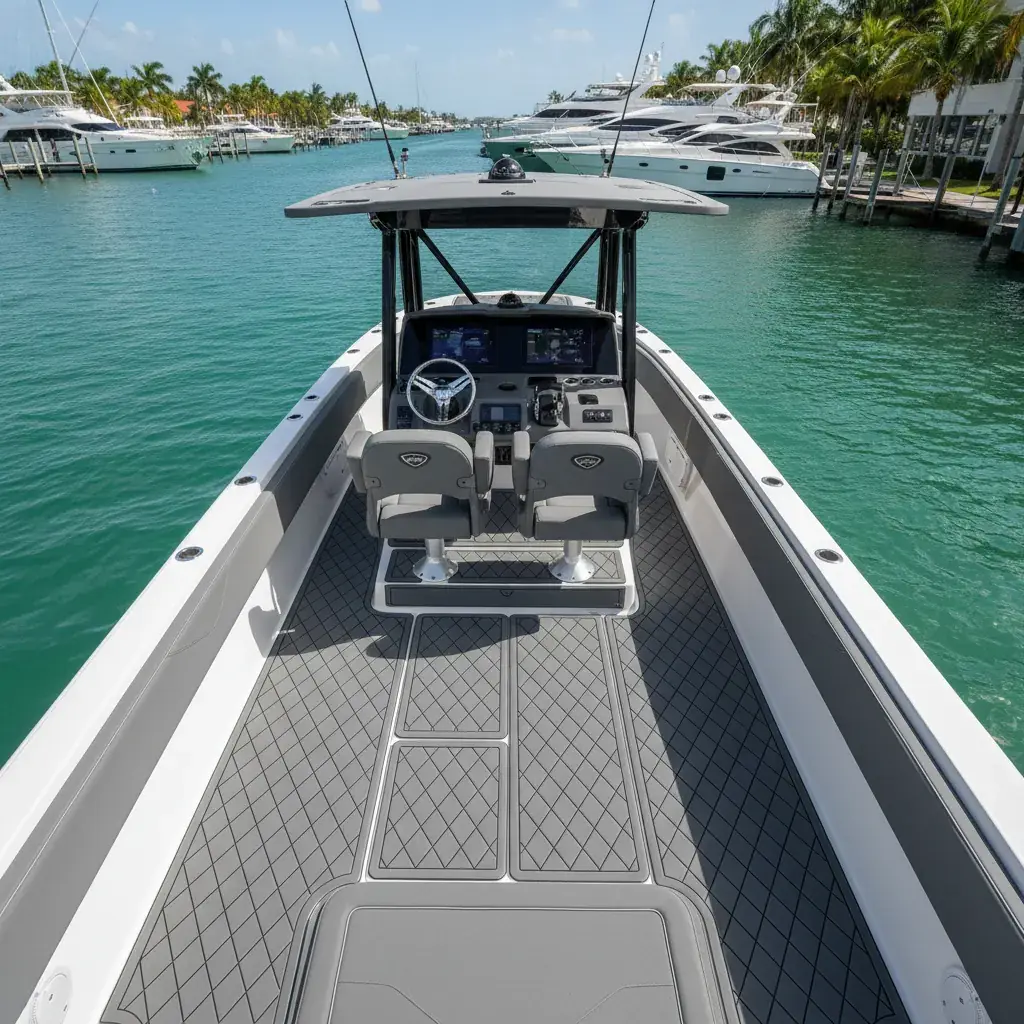
SeaDek / EVA Flooring
Custom SeaDek install, CNC-cut patterns, EVA foam flooring, and logo inlays. Quieter decks that stay cool in Miami sun.
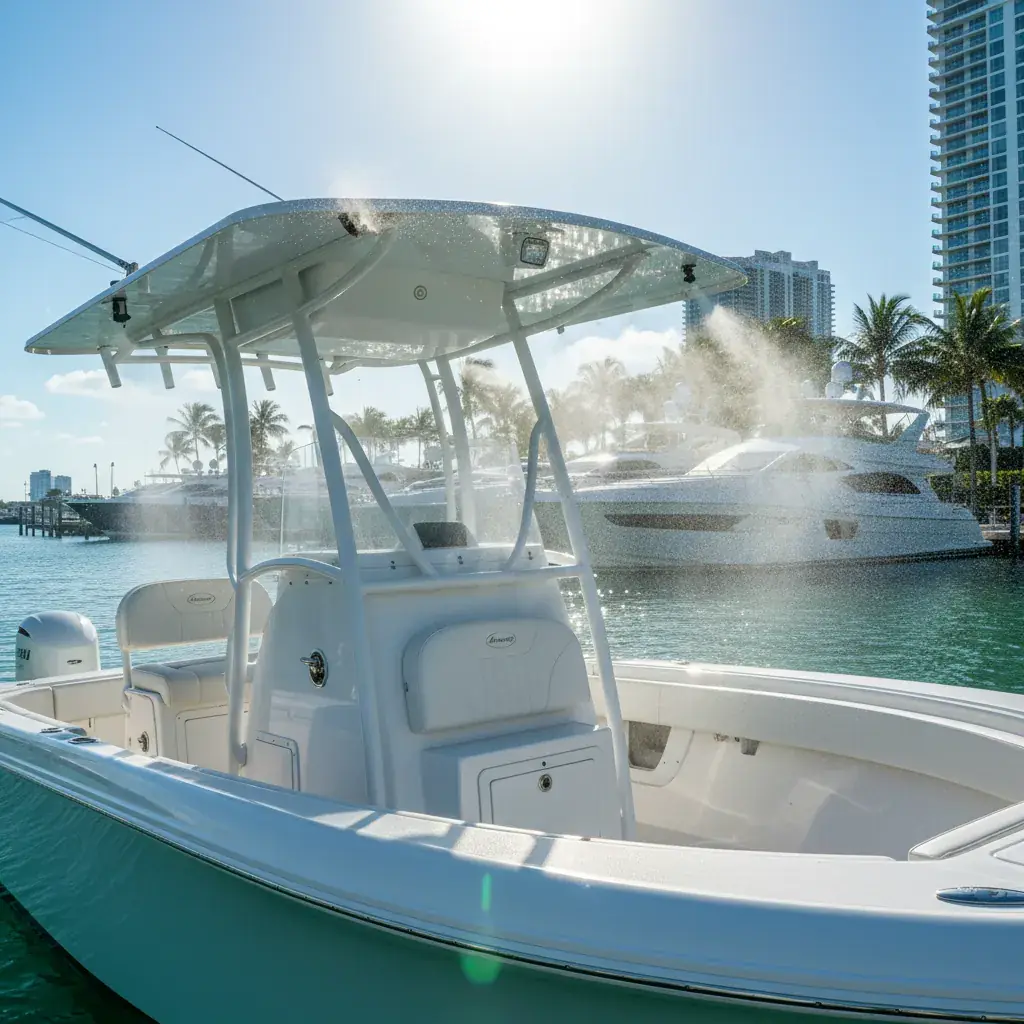
Misting System Installation
Dock, T-top, and flybridge misting systems that drop cockpit temps 15-20°F. Beat Miami summer heat on the water.
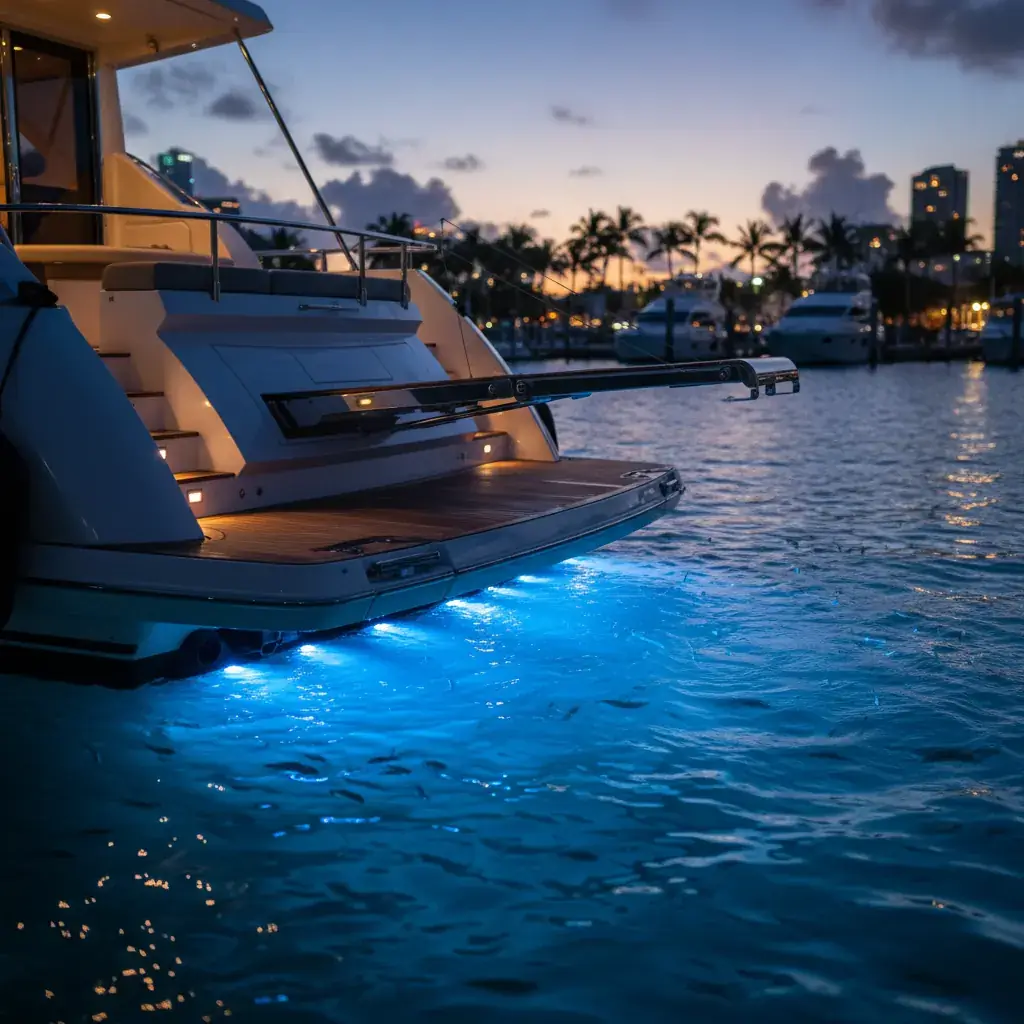
Marine LED Lighting
Underwater transom lights, deck LEDs, courtesy strips, and nav lighting. Shadow-Caster, Lumitec, and Lumishore installers.
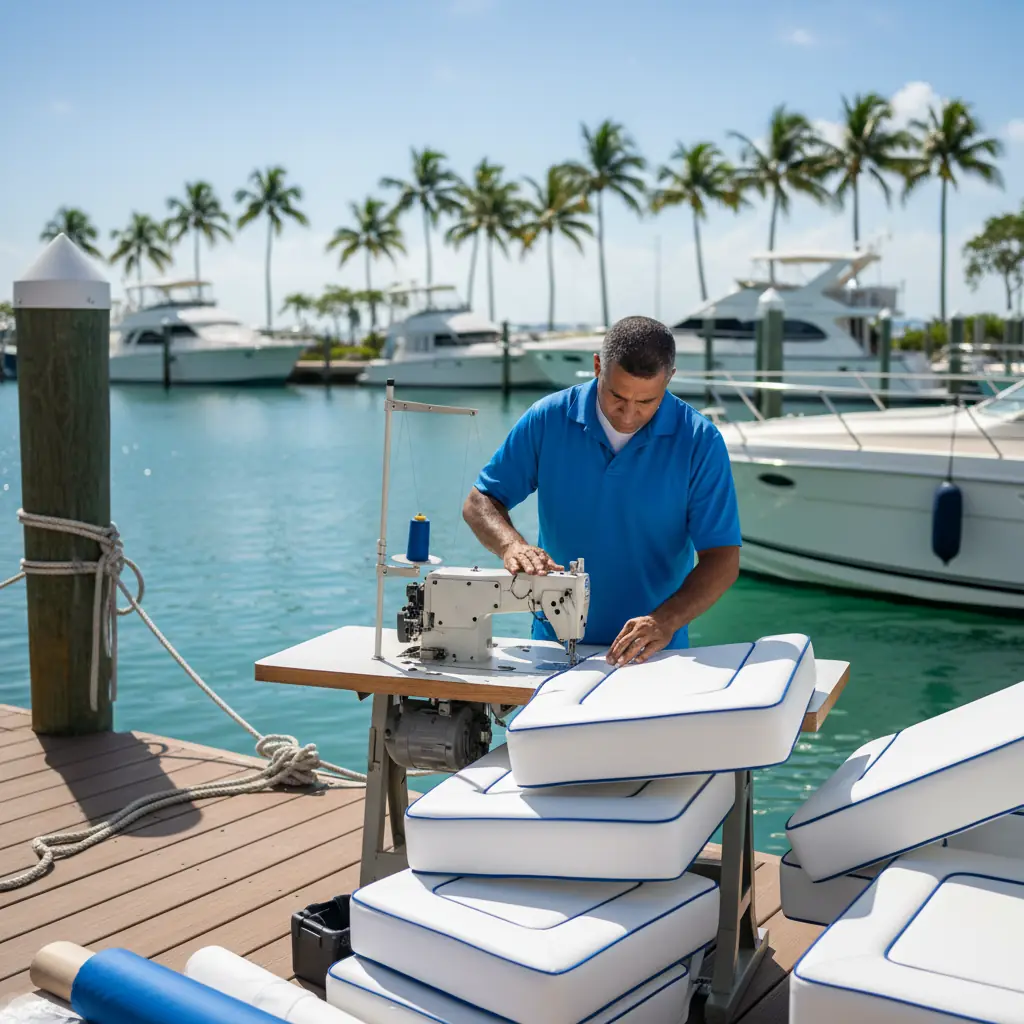
Marine Upholstery
Boat seat repair, yacht cushion replacement, vinyl restoration, and canvas work. Mobile service across South Florida.
300-Hour Service
Full 300-hour outboard service: valve lash, impeller, VST filter, thermostats, spark plugs, and ECU scan for Miami four-stroke engines.
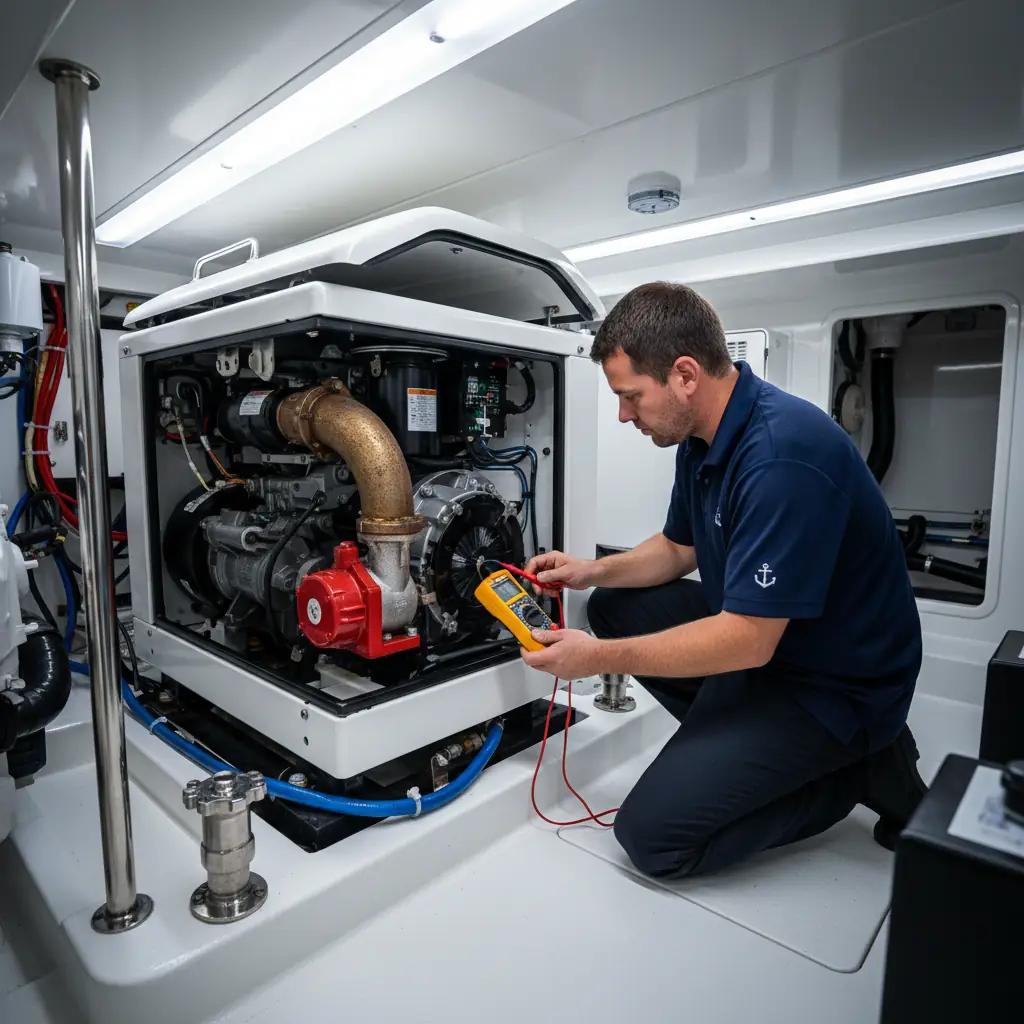
Marine Generator Repair
Miami marine generator repair for Onan, Kohler, Northern Lights, and more. Mobile service at your dock.
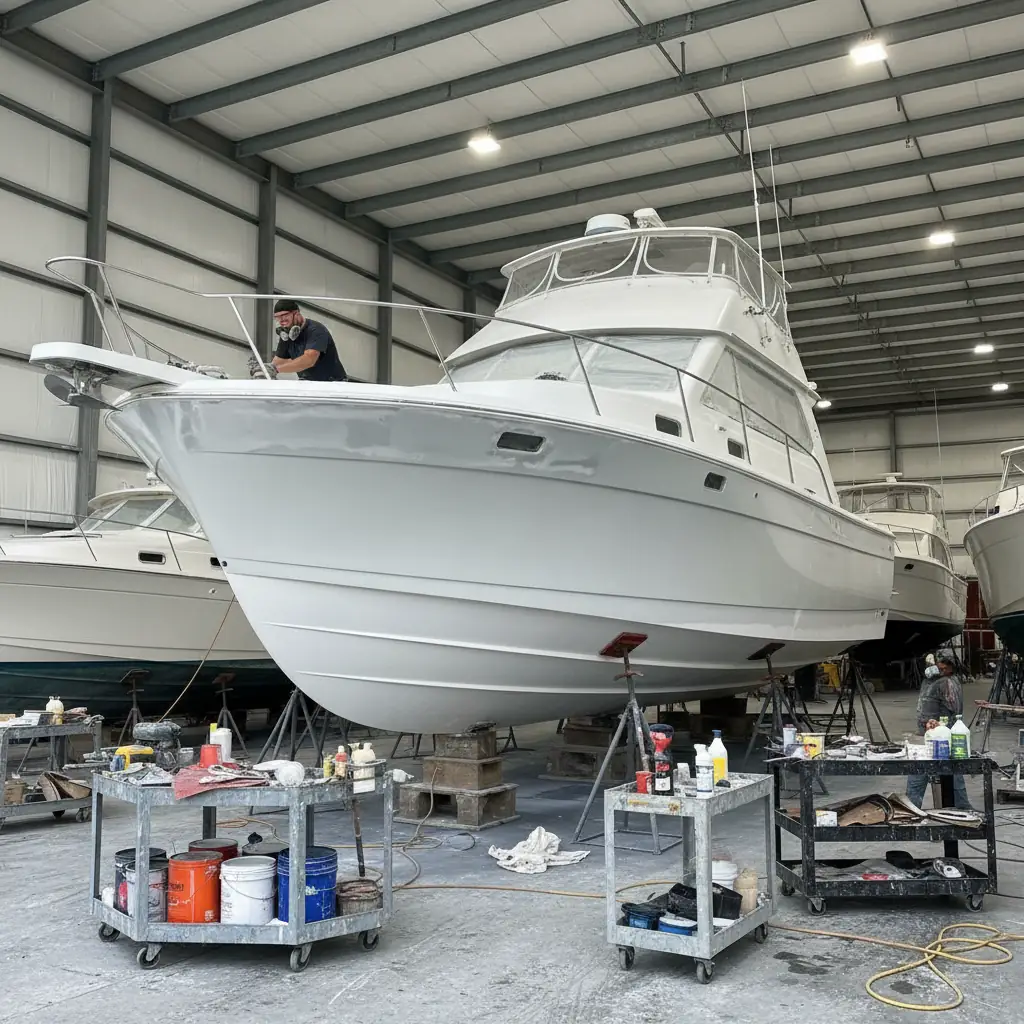
Boat Restoration
Miami boat restoration: hull rebuilds, refits, classic yacht work, fiberglass, paint, electrical, upholstery. Written scope on every project.
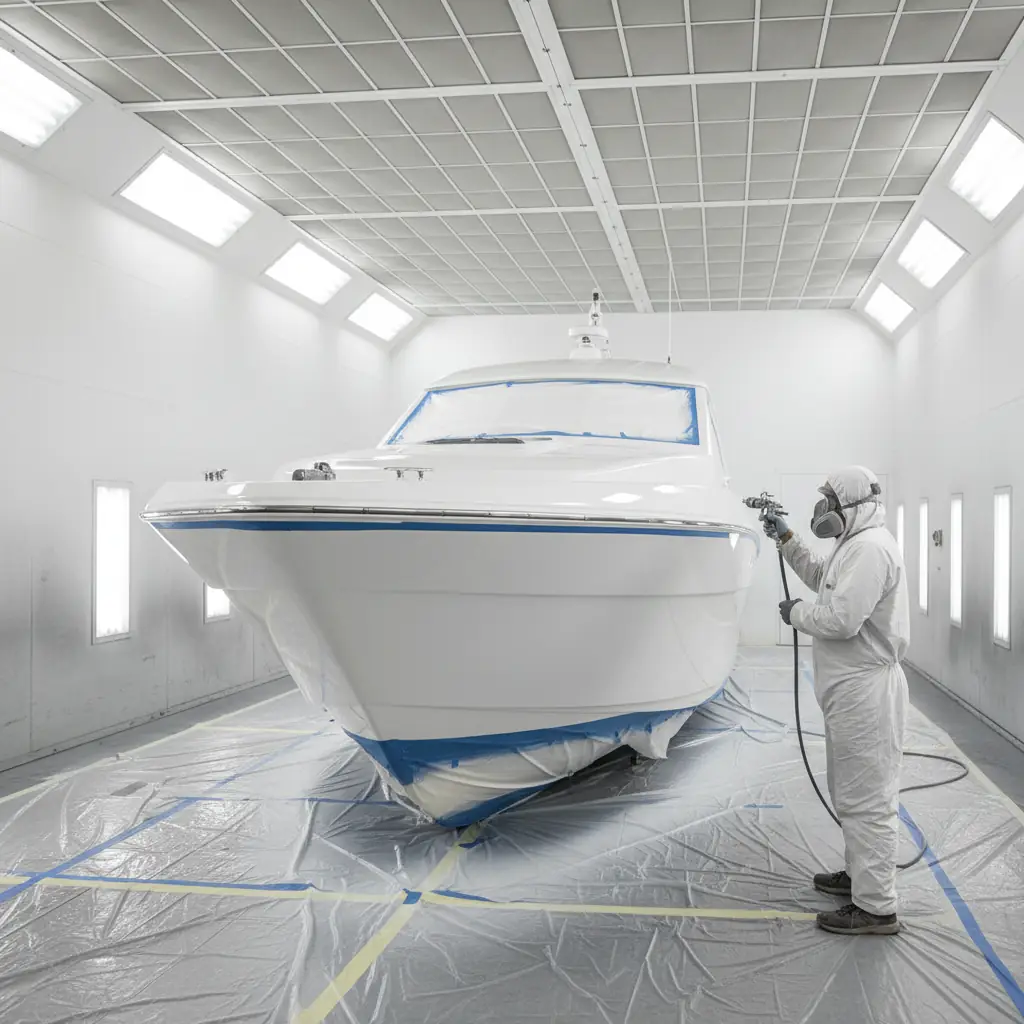
Yacht Topside Painting
Awlgrip and Awlcraft 2000 topside paint for Miami yachts. Full repaints, spot refinishes, and color changes done right.
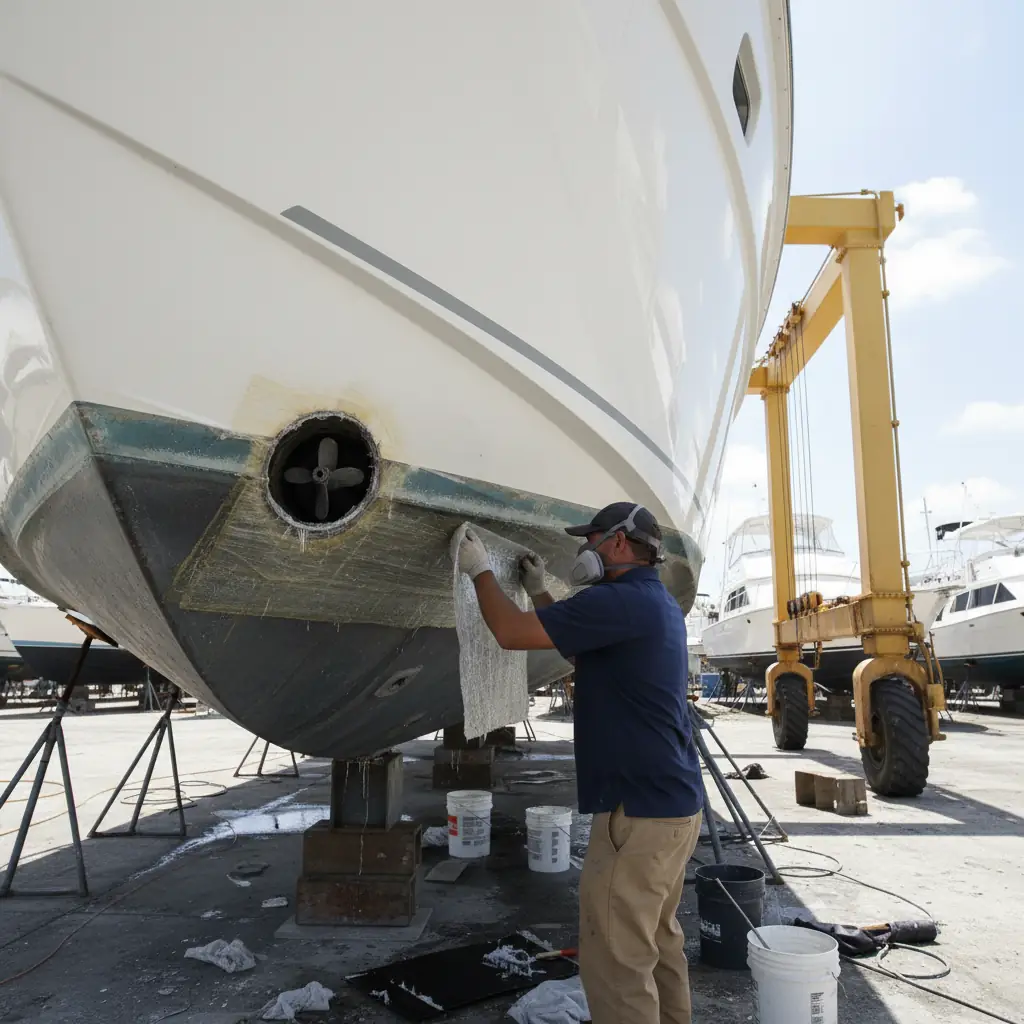
Bow Thruster Installation
Bow and stern thruster installation in Miami. Side-Power, Vetus, Lewmar. Tunnel and retractable mount. Joystick docking integration.
Need Hurricane Prep in Miami?
Our certified marine mechanics are ready to help. Call us today for fast, reliable service anywhere in the Miami area.