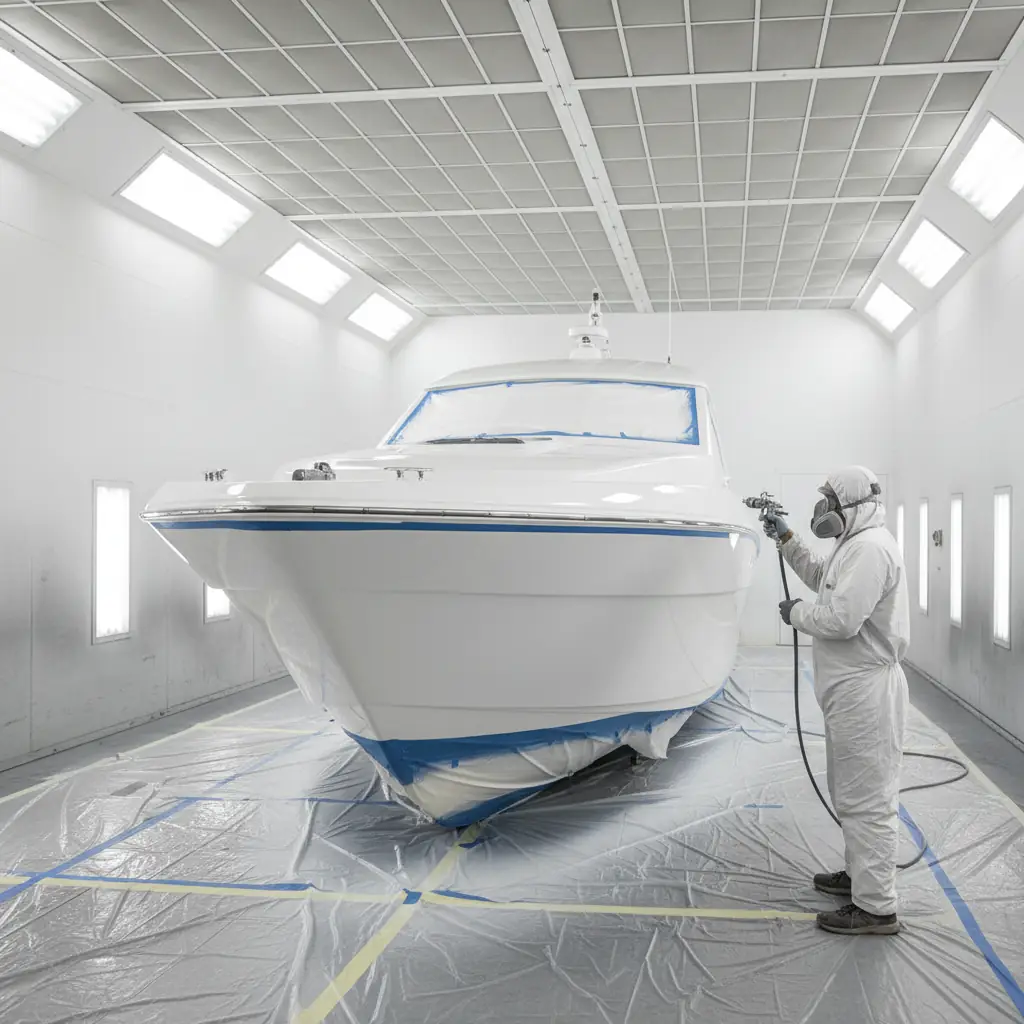
Yacht Topside Painting in Miami
Awlgrip, Awlcraft 2000, and Imron spray refinishing for hulls and superstructures. Color match, full repaints, and spot refinishes.
Miami Yacht Painting Specialists
South Florida's climate is brutal on above-waterline paint. UV exposure, salt air, and dock impacts accelerate the breakdown of even premium polyurethane topcoats. Whether your yacht needs a full hull repaint, a boot stripe refresh, or spot blending after fiberglass repair, our crew applies Awlgrip, Awlcraft 2000, and Imron systems with the surface prep and spray technique that determine whether a paint job lasts five years or ten. We serve yacht owners across Miami, Coconut Grove, Miami Beach, and the surrounding waterways from our fully equipped facility.
Why Yacht Topside Paint Wears Out in Miami
South Florida combines three forces that degrade topside paint faster than almost anywhere else in the country. UV radiation breaks down polyurethane resin at the molecular level, gradually stripping the gloss and causing chalking that no amount of polishing will reverse. Salt air creates micro-pitting in the cured film, giving water and oxidation a foothold. Dock lines, fenders, and wake chop deliver hundreds of small impacts every season. Even a quality Awlgrip job applied correctly typically shows visible chalking after six to eight years of outdoor storage with no cover protection in Miami. Boats kept on lifts or under shades significantly extend that window, but eventually every yacht reaches the point where the paint needs to come off and start over. A proper topside repaint is closely related to a full boat restoration scope when structural work is also involved.
Awlgrip vs Awlcraft 2000 vs Awlcraft 3000 vs Imron
Awlgrip
Awlgrip is the industry benchmark for two-part polyurethane topside finishes. It cures to a very hard film that resists abrasion, UV, and fuel spills. Applied correctly, it produces a mirror-like gloss that holds for seven to ten years. The tradeoff is that Awlgrip cannot be wet sanded out after application; the spray work must be perfect. Touch-ups also require careful color matching because the formulation drifts slightly between production batches.
Awlcraft 2000
Awlcraft 2000 is Awlgrip's buffable sibling. It cures to a softer film that can be wet sanded and machine polished, making repairs and blending far more forgiving. It is slightly less durable than Awlgrip under heavy UV exposure but is often the right choice for boats that see regular dock contact or owners who want the ability to maintain gloss between repaint cycles without full respray.
Awlcraft 3000
Awlcraft 3000 is the newest formulation in the Awlgrip line. It offers improved longevity over Awlcraft 2000 and significantly better metallic and pearl color options. For owners doing color changes or ordering custom metallic formulations, Awlcraft 3000 is worth the premium.
Imron
DuPont Imron is a two-part polyurethane alternative with a long track record in commercial and military marine applications. Some yacht owners prefer Imron's flexibility during the cure window and its reputation for resistance to fuel and chemical exposure. It performs comparably to Awlgrip in UV testing and is a legitimate choice when Awlgrip is unavailable or when a customer's prior experience favors the system.
The Prep Work That Determines the Outcome
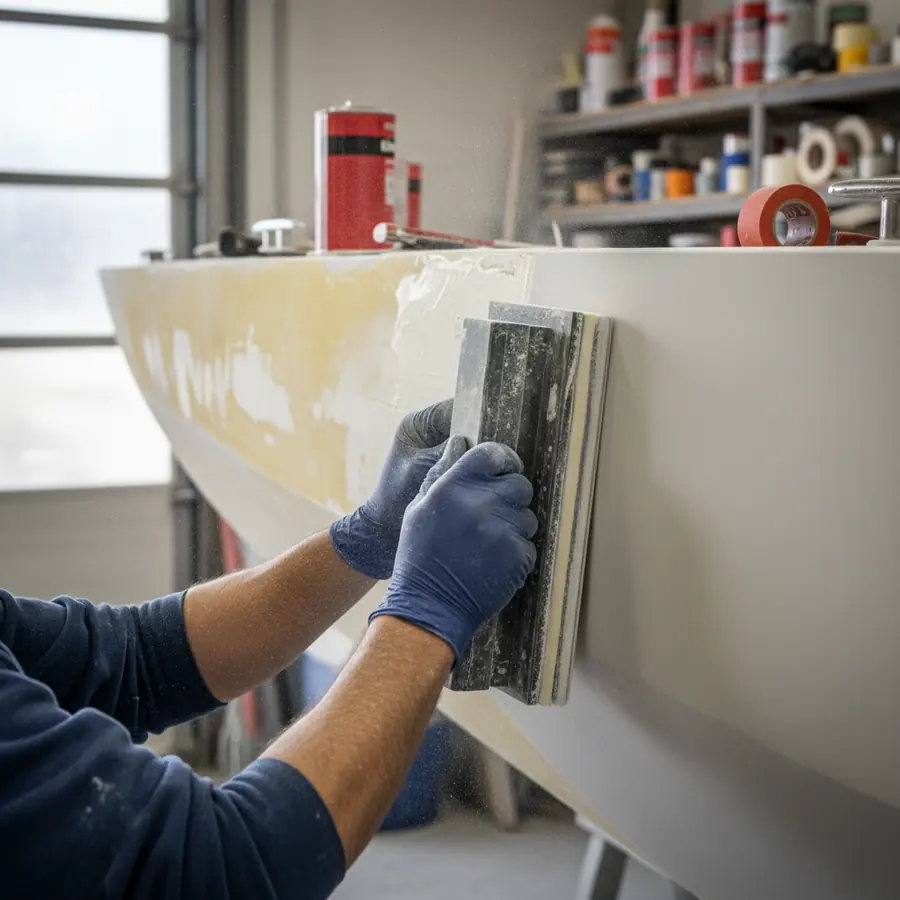
Eighty percent of a topside paint job happens before the spray gun comes out. We begin by stripping the existing finish down to a stable substrate, using sanding, chemical stripping, or media blasting depending on the number of paint layers and the condition of the substrate beneath. Once the old finish is off, we assess the surface for dings, waves, and stress cracks. Any imperfection left under the paint will telegraph through the topcoat under raking light. Epoxy fairing compound is applied, allowed to fully cure, and then block sanded flat. We do not rush this stage. After fairing, we apply epoxy primer in multiple coats and sand between each coat to build a uniform base. When related surface damage is present, this step ties directly into gelcoat repair work that may precede the paint application.
Spray Booth vs Outdoor Spray
A climate-controlled spray booth is the ideal environment for applying two-part polyurethane. Controlled temperature, humidity, and airflow eliminate most of the variables that cause fisheye, blush, and solvent pop. Booth work produces more consistent results on full repaints. That said, outdoor spray is done successfully every day when conditions cooperate: low humidity, no direct sun on the surface, minimal wind, and proper staging. For spot refinishes and boot stripe work, outdoor spray in a shaded yard is often the practical and cost-effective choice. We assess each project individually and give you a straight answer on which approach fits the scope and the budget.
Common Topside Paint Failures We Fix
We see the same defects repeatedly on boats that received poor paint work from inexperienced shops or DIY attempts.
- Orange peel occurs when spray gun pressure, fluid delivery, or distance is wrong, leaving a texture that looks like citrus skin instead of a flat mirror finish.
- Fisheye is caused by silicone contamination on the substrate, usually from wax or polish that was not fully removed before painting. The topcoat crawls away from contaminated areas and leaves craters.
- Solvent pop happens when the topcoat is applied over primer that has not fully outgassed. Trapped solvents erupt through the fresh film and leave pinhole pitting.
- Blush is a milky haze that develops when high humidity during the cure window causes moisture to become trapped in the film.
- Color mismatch on touch-ups is a known challenge with Awlgrip because the pigment formulation shifts slightly between batches and over time as the cured film ages and the UV shifts the hue.
We use a spectrophotometer to read existing topcoat color and produce a custom-mixed batch that minimizes visible blending lines. This same approach applies when matching paint to any remaining original hull panels after boat detailing has revealed how much color the existing finish has shifted.
Topside Paint Maintenance Year by Year
Year 1: Allow the topcoat to fully cure before applying wax, typically 30 days for Awlgrip and Awlcraft systems. Use a wax approved for two-part polyurethane finishes. Do not use abrasive compounds during this period.
Year 3: The gloss will have lost some depth. Light machine polish with a non-abrasive compound restores the surface. Inspect for chips and exposed primer, and touch up as needed.
Year 5: Spot refinishing of high-wear areas such as the rub rail zone, anchor locker edge, and boarding areas extends overall finish life. This is also a good time to have a marine inspection that includes a topside condition assessment.
Year 7: Evaluate honestly. If the film is chalking uniformly and polishing provides only temporary improvement, a full repaint is more cost-effective than continuing to maintain a failing finish. If the paint is holding, continue the maintenance cycle.
Cost Tiers for Yacht Painting Projects
Topside painting spans a very wide price range depending on scope, vessel size, paint system, number of coats, and whether fairing work is required.
- Spot refinish (single panel): Minor area refinishing after collision or repair work. Labor-intensive for the area involved due to prep and blending time.
- Boot stripe / accent: Stripe removal, surface prep, tape work, and respray. Straightforward scope with predictable pricing.
- Hull sides repaint: Full above-waterline hull surface. Does not include cabin or superstructure. Most common mid-range scope.
- Full topside (hull and cabin): Everything above the waterline. Requires more staging and masking time. Significantly more labor than hull-only.
- Color change: Any color change requires additional primer coats and sometimes more topcoat layers for full opacity. Budget more than a same-color repaint.
After your topside paint is complete, pairing the job with marine upholstery and SeaDek EVA flooring refreshes the entire above-deck presentation for owners preparing for sale or charter. We can also coordinate with our mobile marine mechanics if any mechanical work is scheduled for the same haulout window.
Schedule Your Yacht Painting Estimate in Miami
Every topside paint project starts with an in-person surface assessment. We evaluate the existing finish, measure the square footage, identify fairing requirements, and provide a written scope with material and labor costs broken out. There are no vague estimates here. Call (305) 290-2701 or request a paint estimate online to set up a time. We work with yachts from 25 to 100 feet at our Miami facility and at cooperating yards throughout the area. We also handle boat bottom painting as a separate scope from topside work, and many owners combine both during the same haulout to reduce mobilization costs.
Know the Signs
Signs Your Yacht Needs a Topside Repaint
Hull color is chalky and won't polish back
Visible bonding or clear coat failure
Topcoat checking or cracking
Deep scratches into the primer or substrate
Orange peel or runs from a previous bad paint job
Color change wanted for rebrand or sale prep
Hull repair work needs paint blending
Boot stripe is faded or peeling
Our Process
Our Yacht Painting Process
Strip and Survey
Remove existing topcoat by sanding, chemical stripping, or media blasting. Assess the bare substrate for dings, osmotic blistering, stress cracks, and surface waves that need correction before paint goes on.
Fair and Prime
Apply epoxy fairing compound to fill imperfections, allow full cure, then block sand to a flat plane. Apply multiple coats of epoxy primer with sanding between coats to build a uniform, sealed base.
Spray Topcoat
Apply three to four coats of the specified two-part polyurethane system under controlled conditions. Each coat is allowed the proper flash time before the next is applied to prevent solvent trap and film failure.
Cure, Buff and Detail
Allow full cure per manufacturer spec. Awlcraft systems receive wet sanding and machine polish to final gloss. Awlgrip is inspected for defects and spot corrected as needed. Final detail and owner walkthrough before delivery.
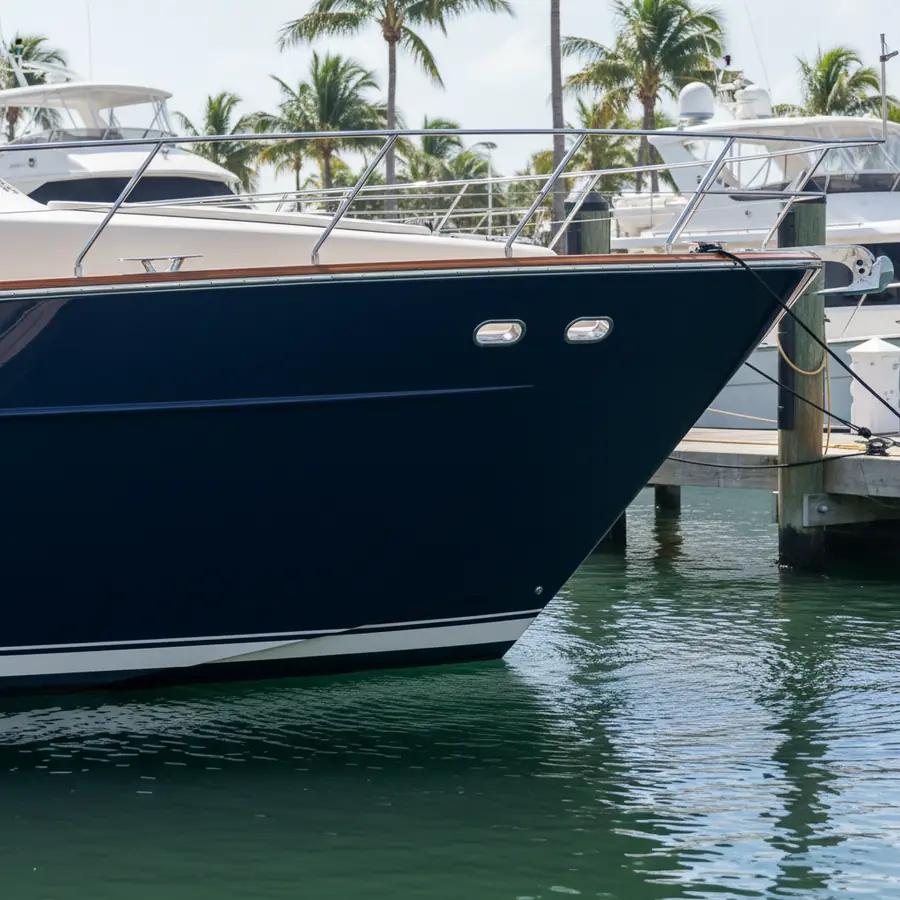
Miami Yacht Painting Specialists
Topside Paint Expertise Built for South Florida Conditions
Why Choose Us
Why Choose Our Yacht Painting Service
Awlgrip, Awlcraft 2000, Awlcraft 3000, and Imron application experience on vessels from 25 to 100 feet
Spectrophotometer color matching for touch-ups and blending on aged hull finishes
Detailed written scope with material and labor breakdowns before work begins
In-house surface prep and fairing so subcontracted work does not create accountability gaps
Miami-area knowledge of how UV, salt exposure, and storage conditions affect paint life and maintenance schedules
Coordination with bottom paint, mechanical, and upholstery scopes to reduce total haulout time and cost
Yacht Topside Painting FAQ
Common questions about yacht topside painting in Miami
More Services
Related Boat Repair Services
Inboard Engine Repair
Inboard and marine diesel service for cruisers, sportfishers, and express yachts. MerCruiser, Volvo Penta, Yanmar, and Cummins.
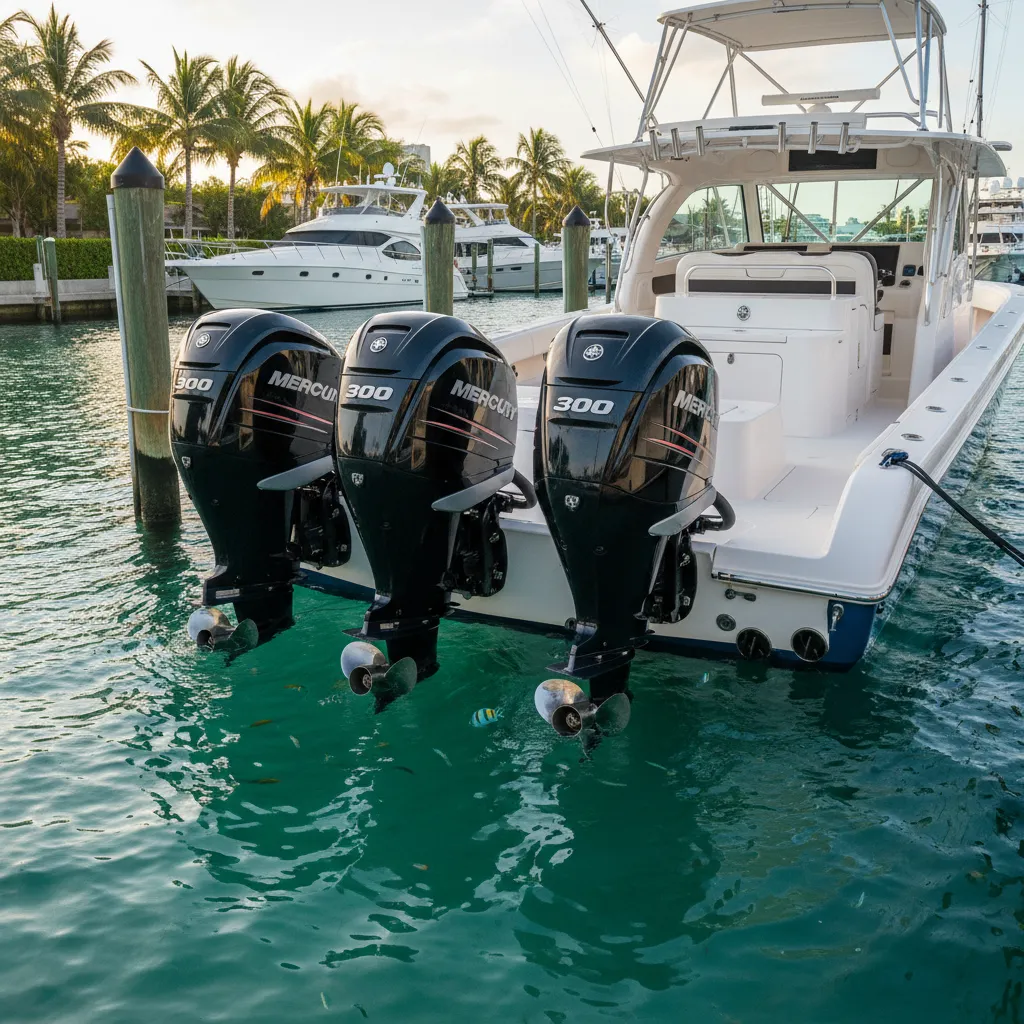
Outboard Engine Repair
Certified Yamaha, Mercury, Suzuki, Honda, and Evinrude outboard service. 2.5hp to 600hp, 4-stroke and 2-stroke at your dock.
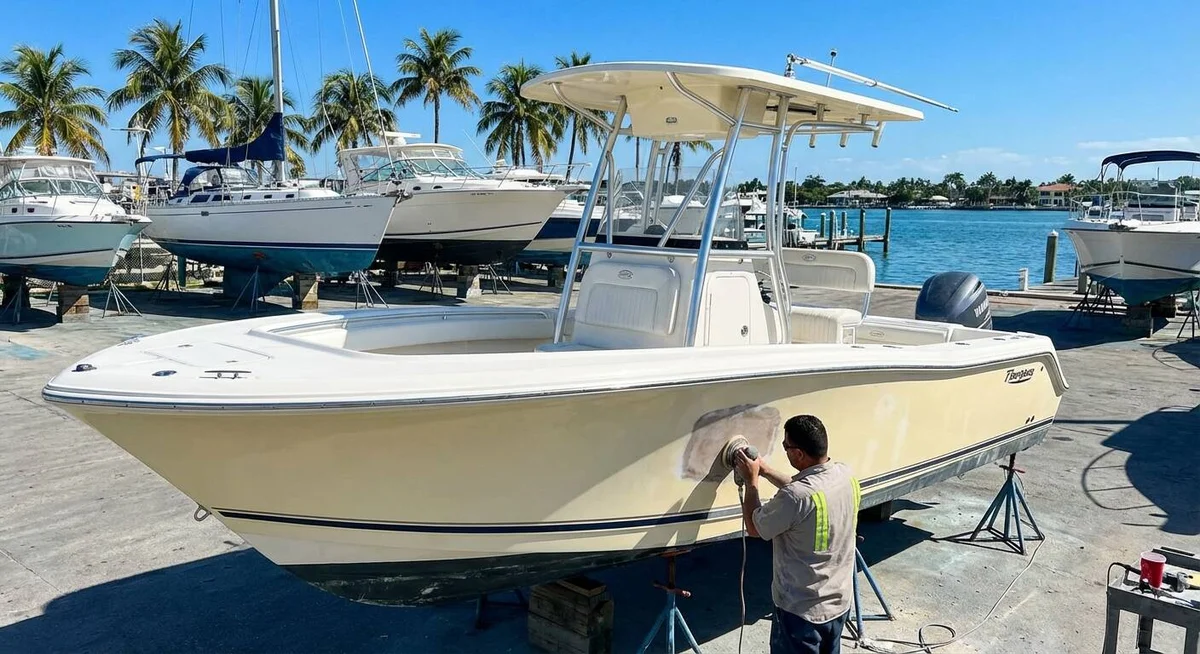
Fiberglass Repair
Hull cracks, structural damage, and stress fractures. Saltwater-grade resin and cloth repairs for Miami boats damaged by impact or wear.
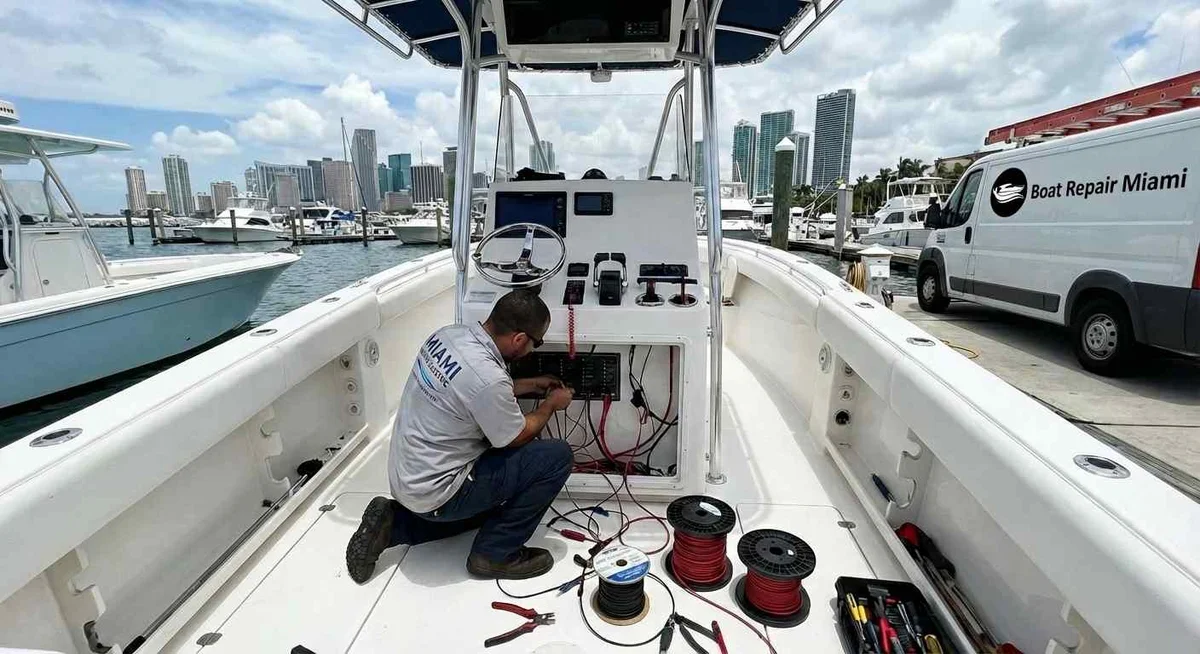
Boat Electrician
Marine electrical troubleshooting, rewiring, battery systems, and navigation wiring. Certified boat electricians servicing your dock.
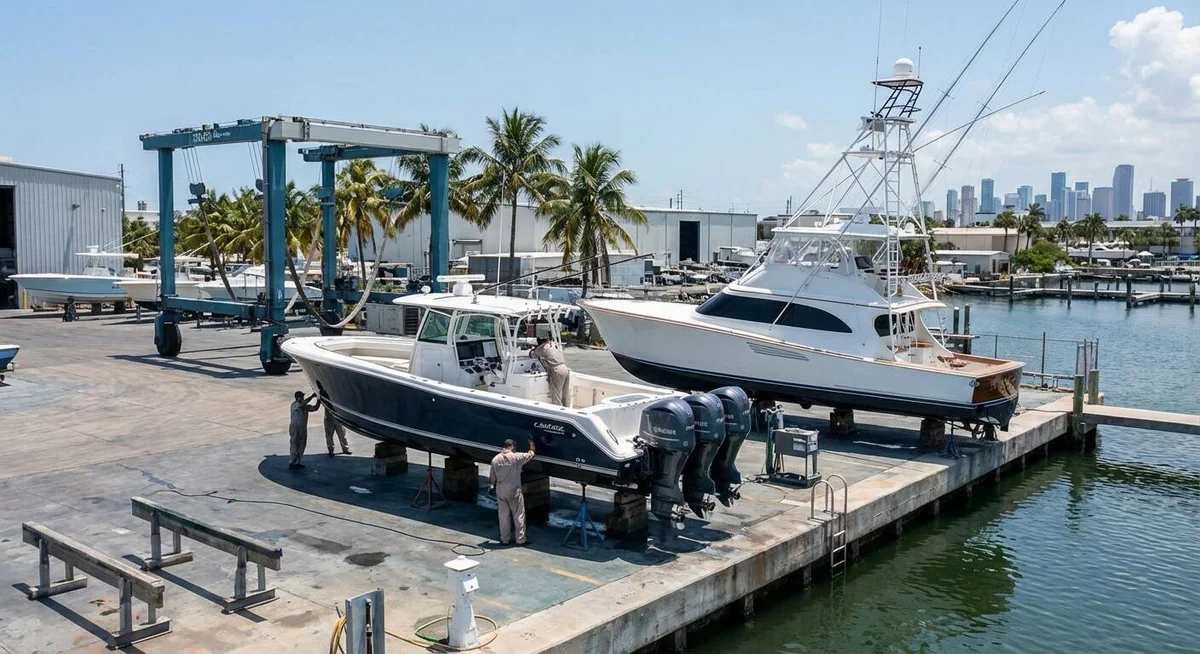
Boat Cleaning
Mobile wash, wax, and detail service for boats kept in Miami marinas. Salt rinse, compound, and UV protection routines.
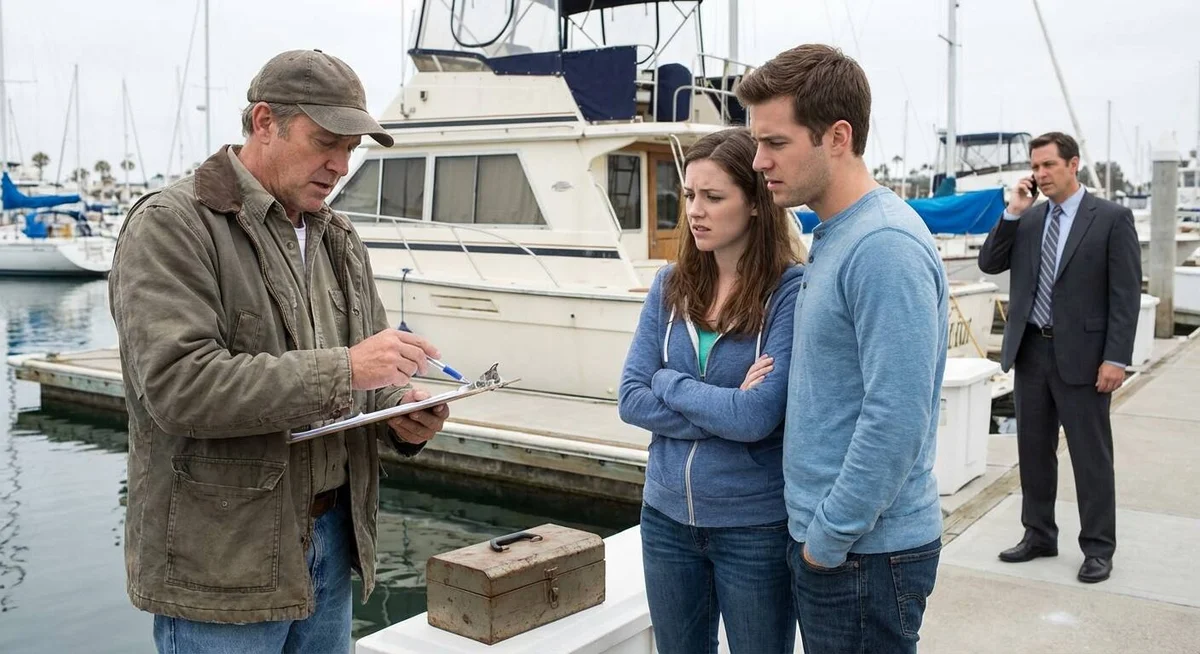
Boat Inspections
Pre-purchase surveys and used-boat inspections across South Florida. Engine, hull, electrical, and mechanical evaluations before you buy.
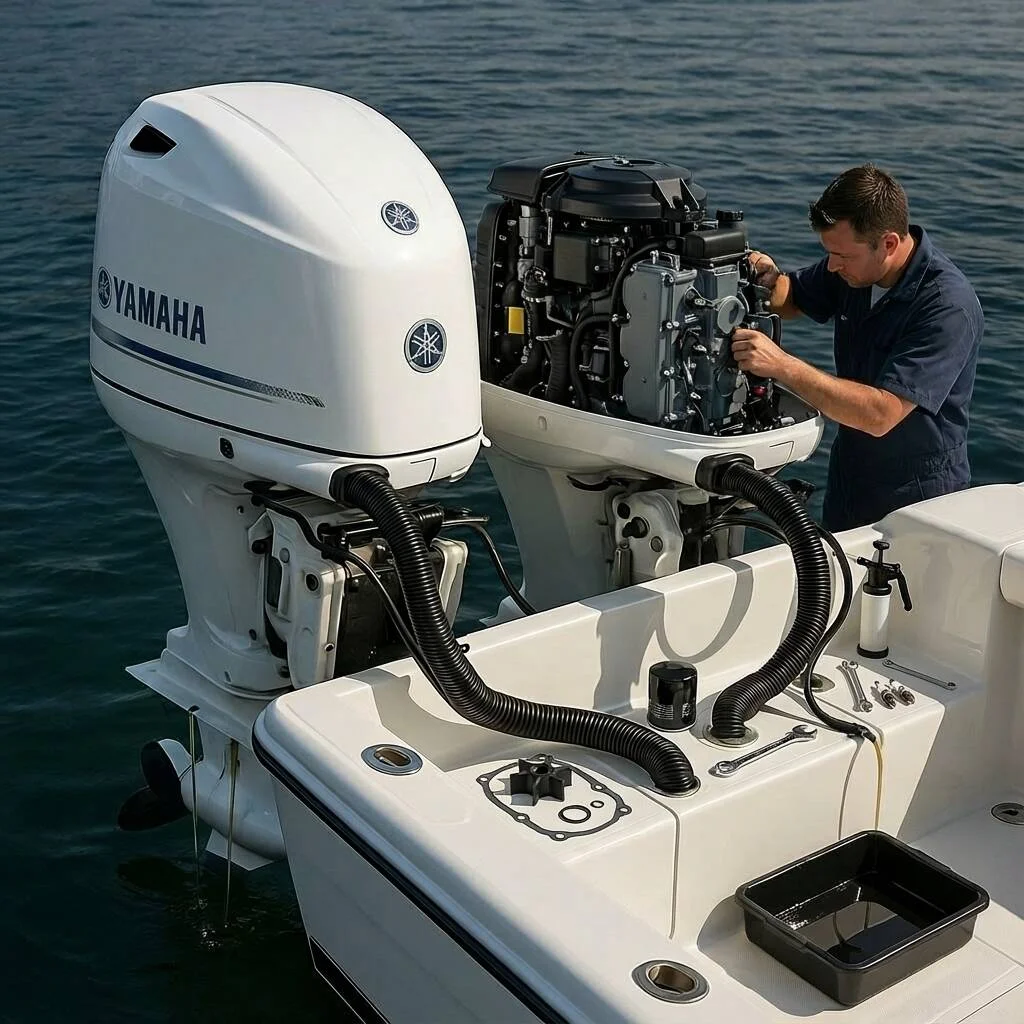
100-Hour Service
Manufacturer-recommended 100-hour maintenance for outboards. Oil, filters, gear lube, spark plugs, anodes, and water pump inspection.
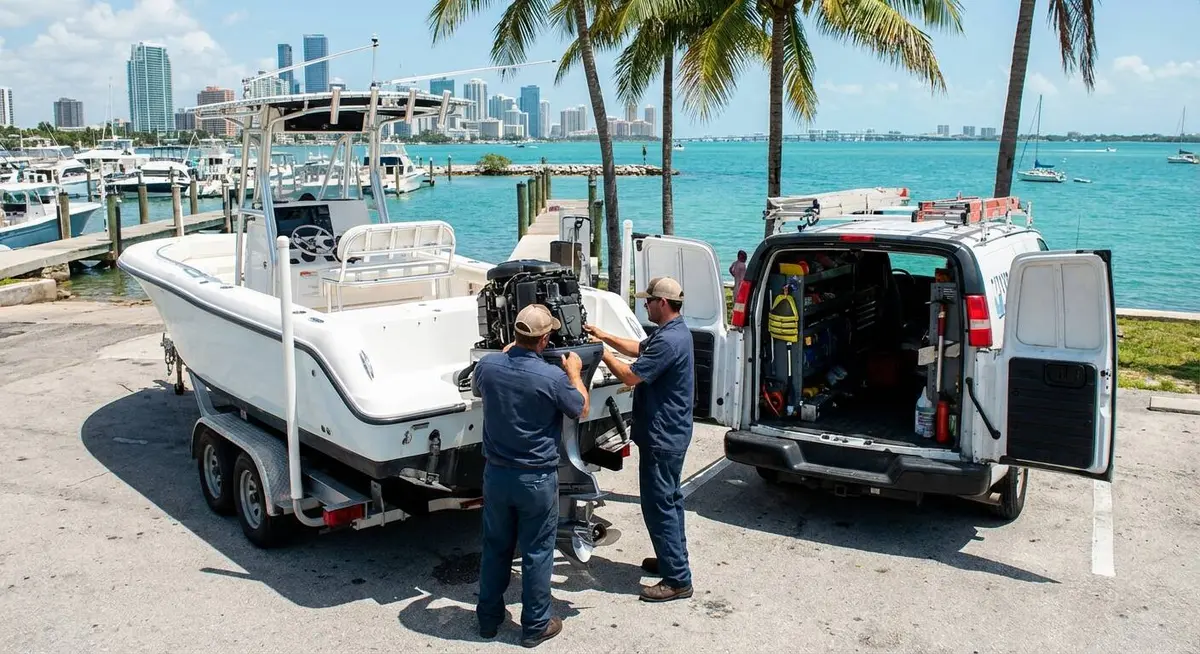
Mobile Marine Mechanics
Factory-certified mechanics come to your dock 24/7 for engine, electrical, and fuel system service. On-site repair across South Florida.
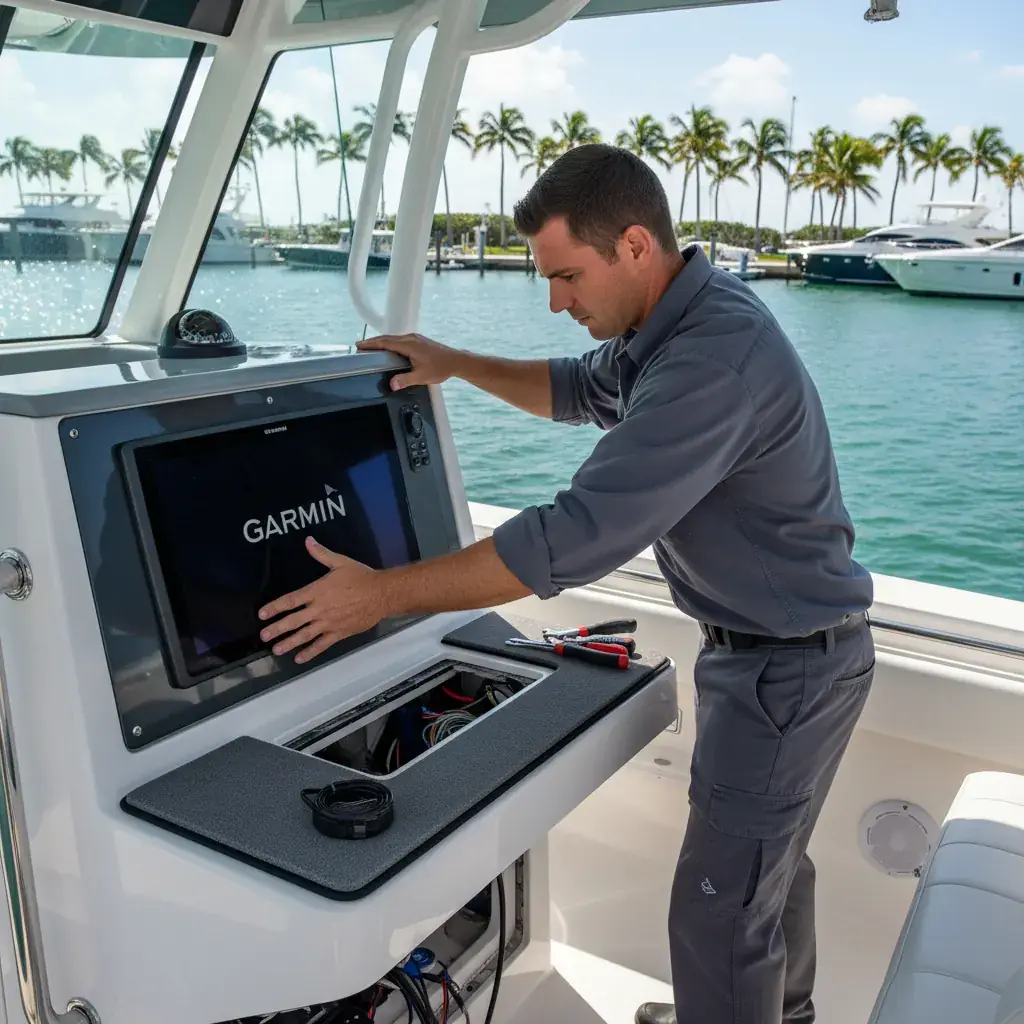
Marine Electronics Installation
Chartplotters, radar, VHF, fishfinders, and NMEA 2000 networks installed. Garmin, Raymarine, Simrad, Lowrance, Humminbird.
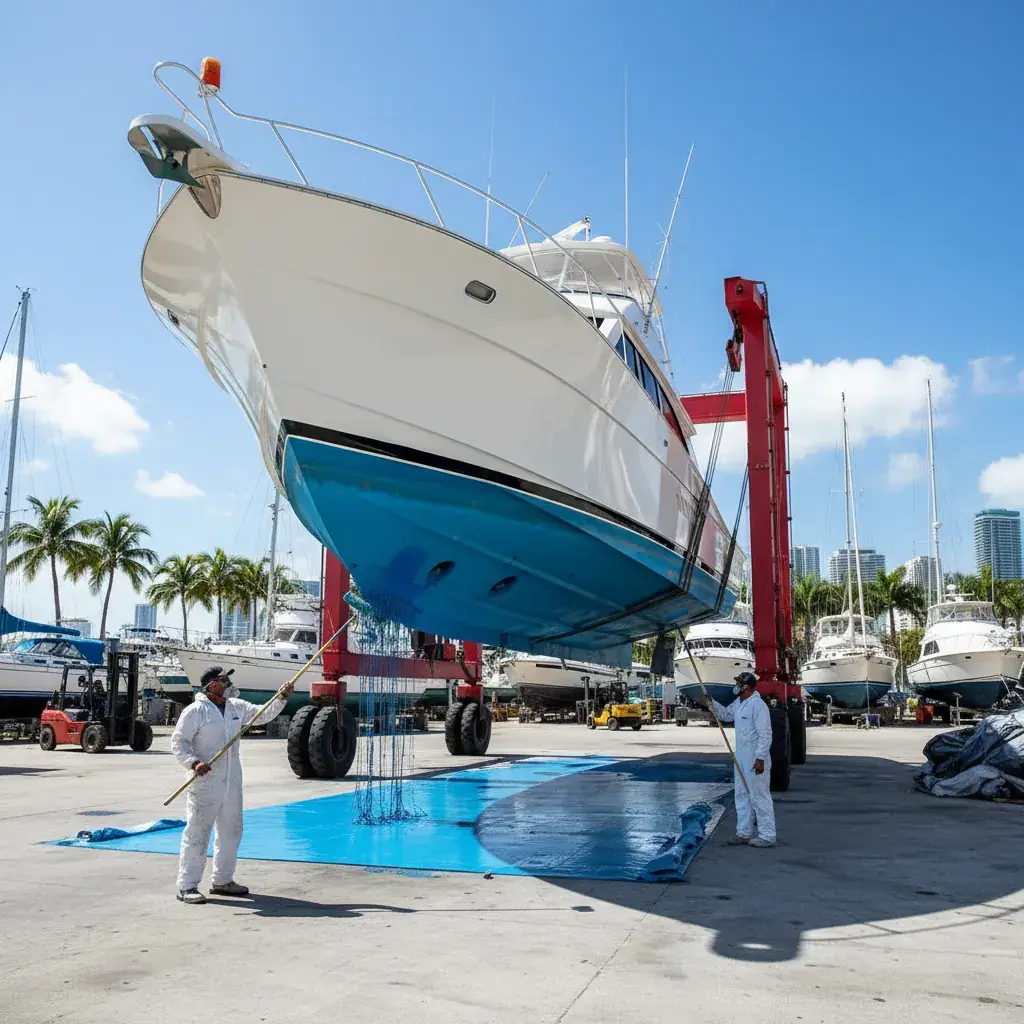
Bottom Painting
Antifouling paint, prep sanding, and haul-out coordination for Miami boats kept in the water year-round. Interlux and Pettit applicators.
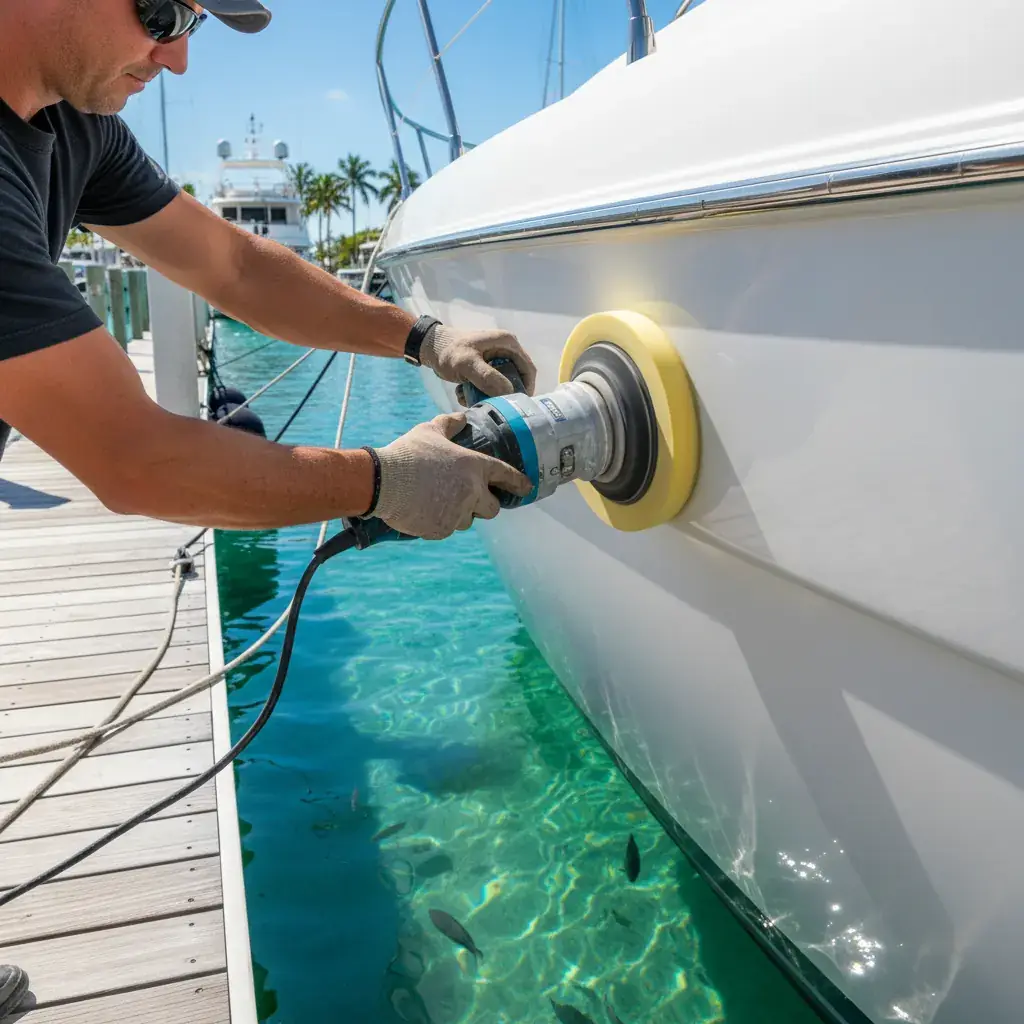
Boat Detailing
Premium wax, polish, compound, and ceramic coating. Restore UV-faded gelcoat and protect your hull from Miami sun and salt.
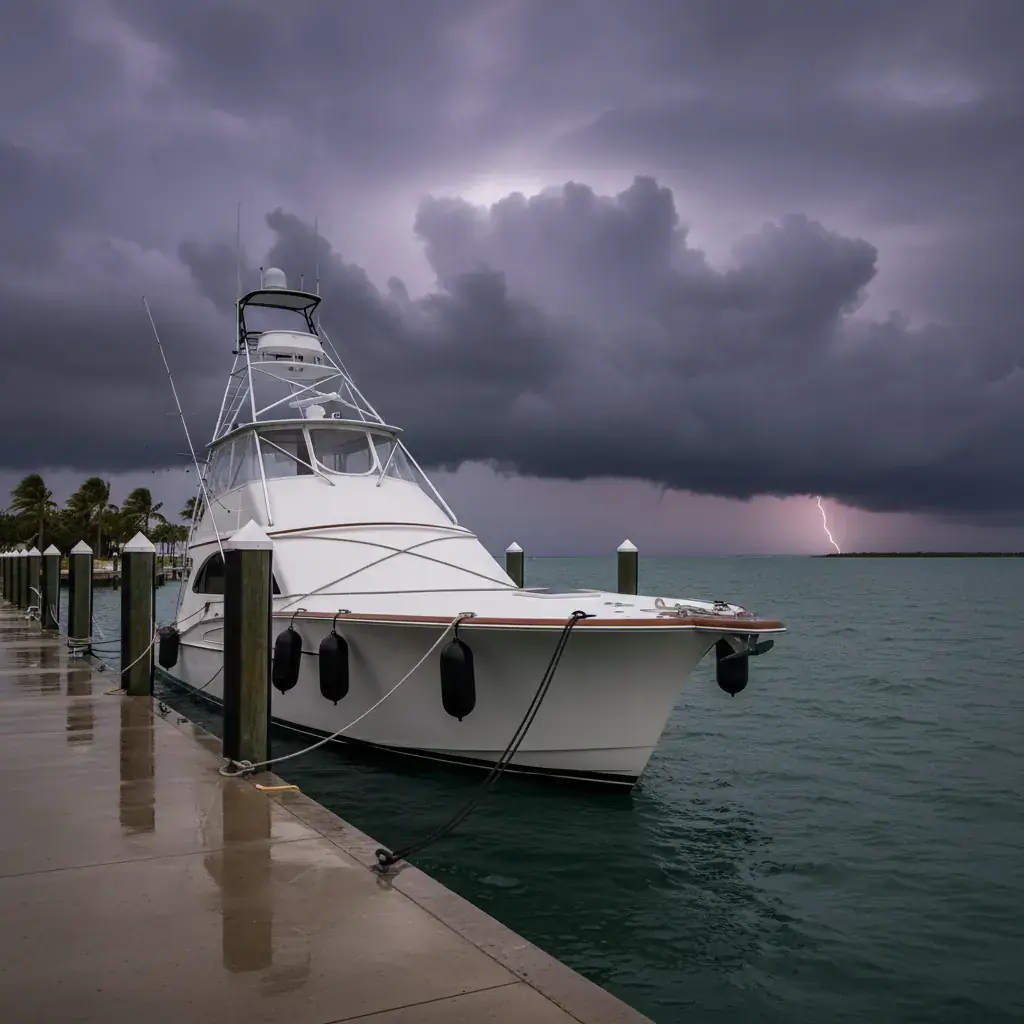
Hurricane Prep
Pre-storm tie-down, haul-vs-dock planning, and post-storm assessment. Protect your boat from Atlantic hurricane season in South Florida.
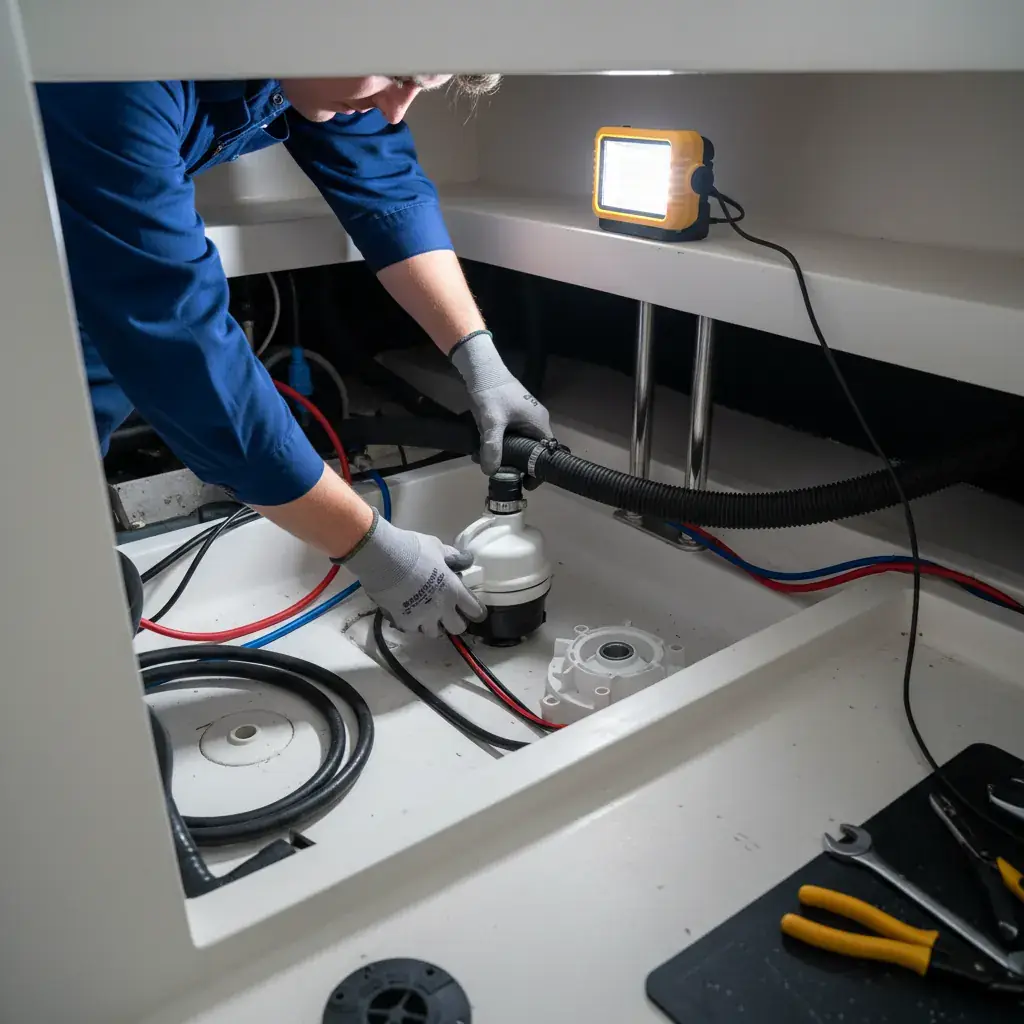
Marine Plumbing & Bilge Pumps
Bilge pump installation, freshwater systems, marine heads, livewells, and seacock service. Fix leaks before they sink the boat.
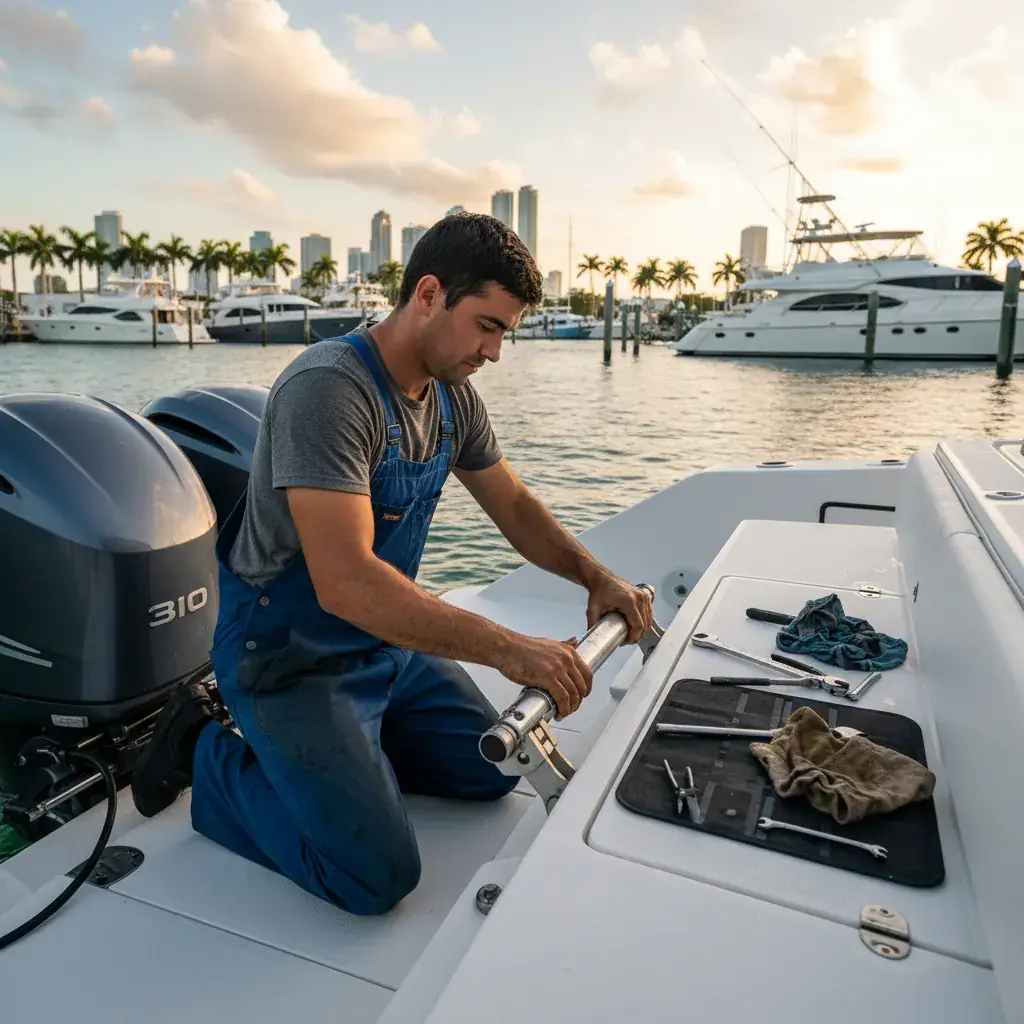
Boat Steering Repair
Hydraulic and cable steering repair, helm pump replacement, and throttle controls. SeaStar, BayStar, and Uflex certified.
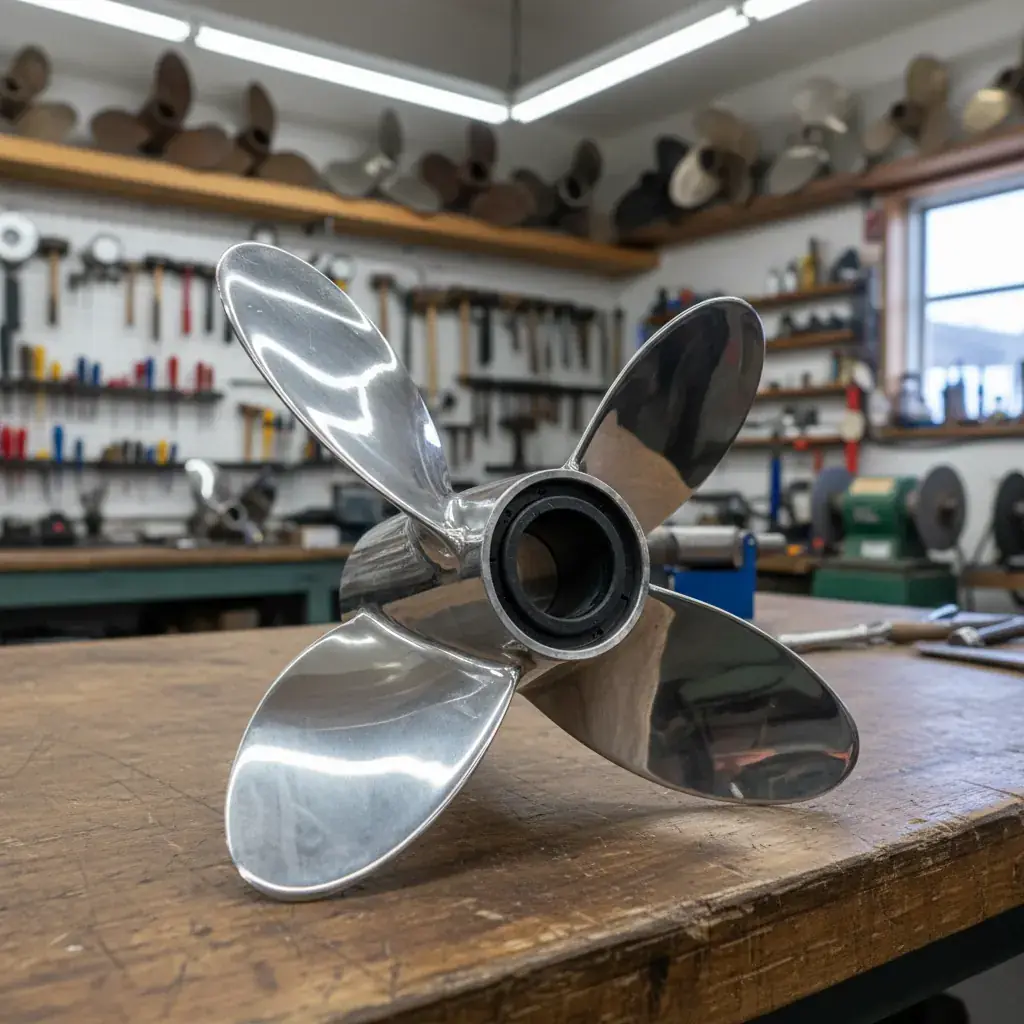
Propeller Repair
Prop reconditioning, balancing, pitch correction, and damage repair. Stainless and aluminum props restored to factory spec.
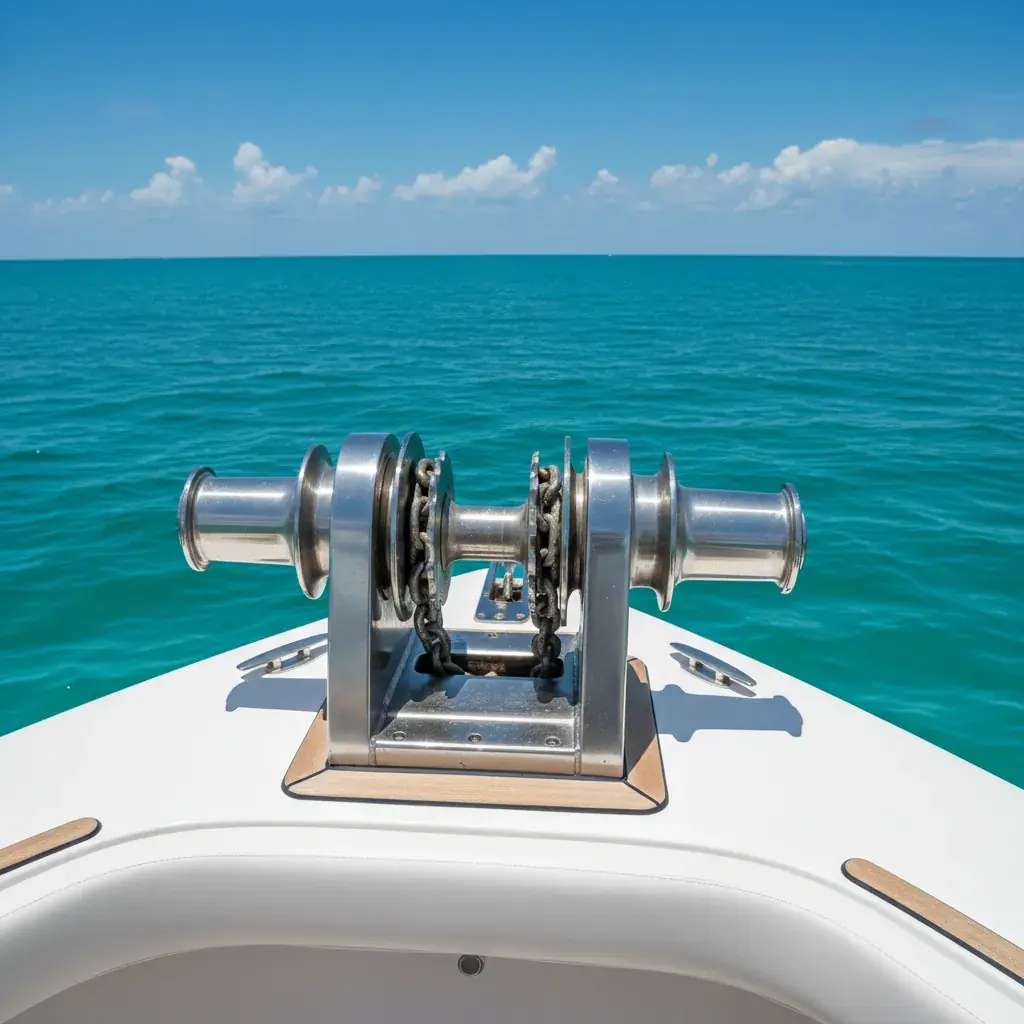
Windlass Installation
Anchor windlass install, rope/chain rode, remote switches, and rebuild service. Lewmar, Maxwell, Lofrans, and Quick systems.
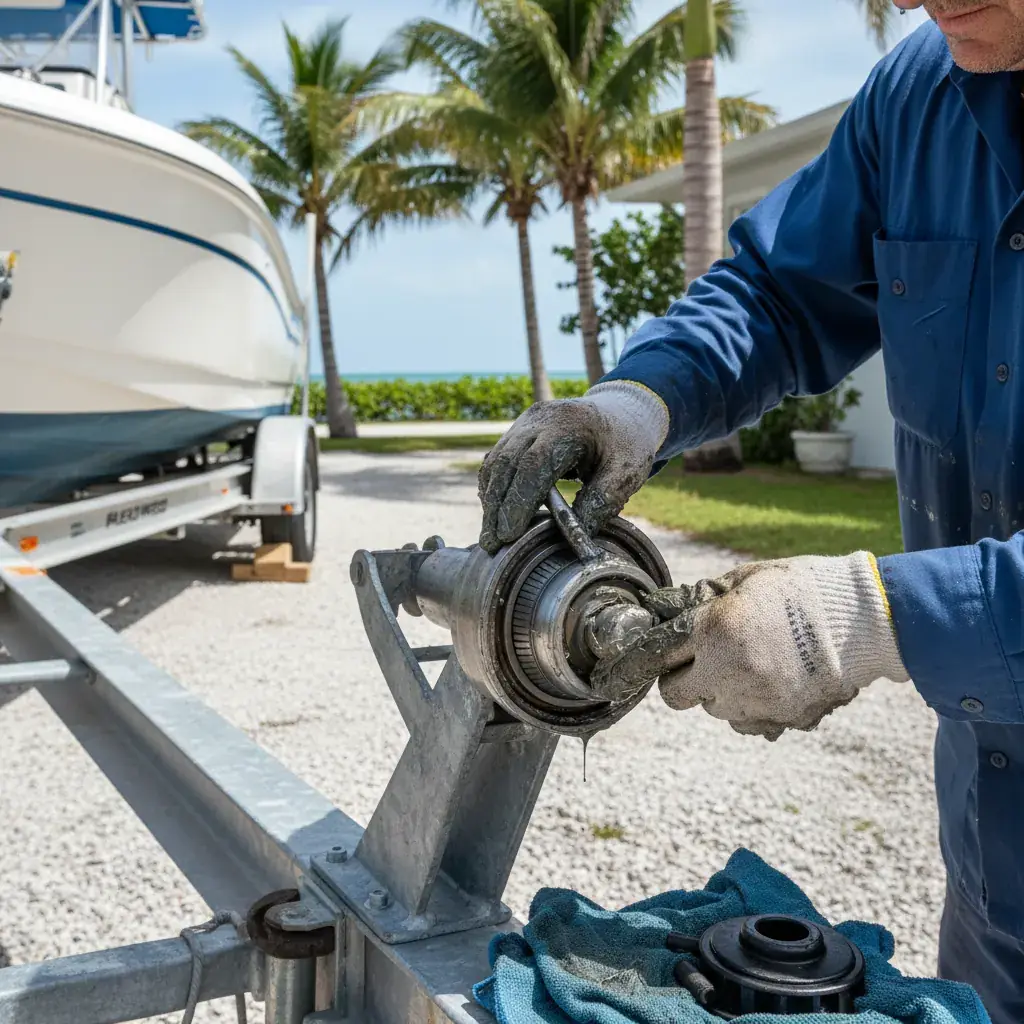
Boat Trailer Repair
Wheel bearings, surge brakes, lights, axles, and winches. Saltwater-ready boat trailer service to keep you legal on the road.
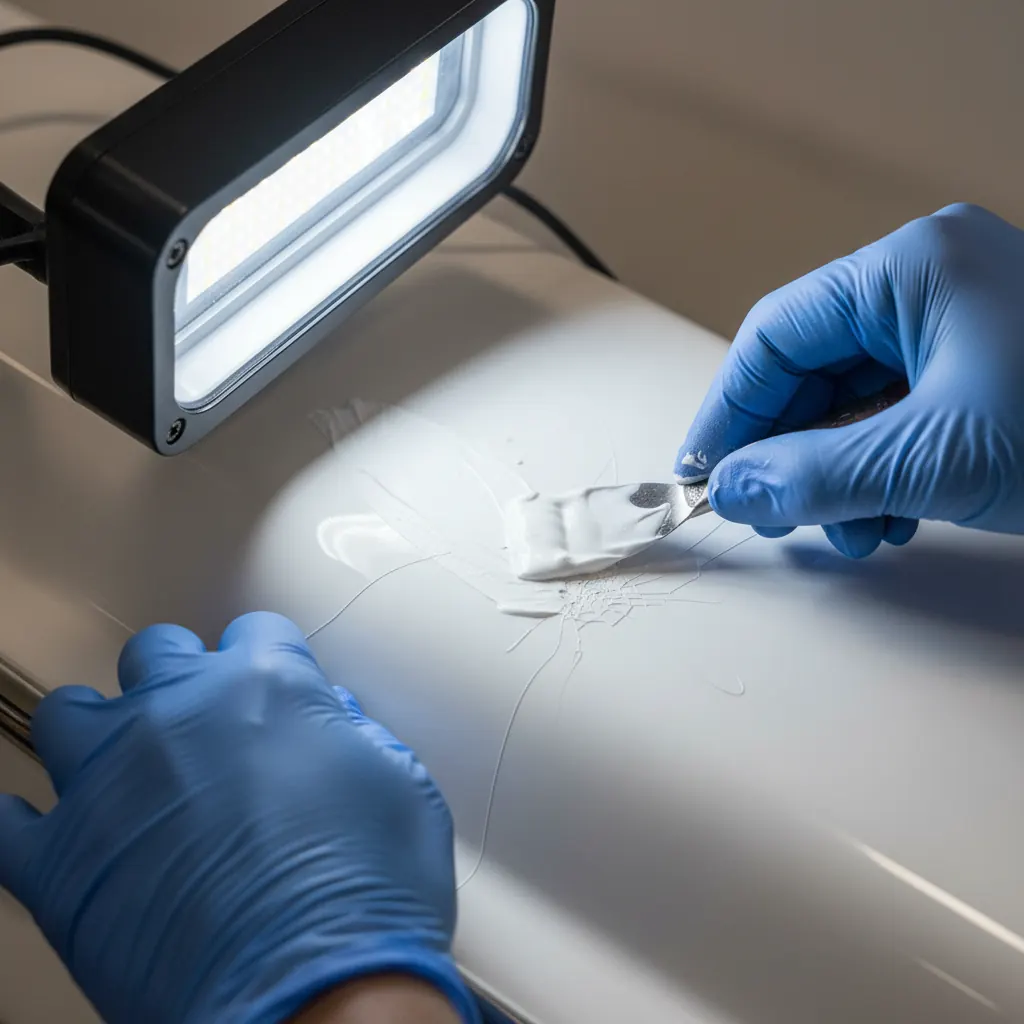
Gelcoat Repair
Spider crack repair, color-matched gelcoat, dock rash restoration, and blister repair. Restore the factory finish on your hull.
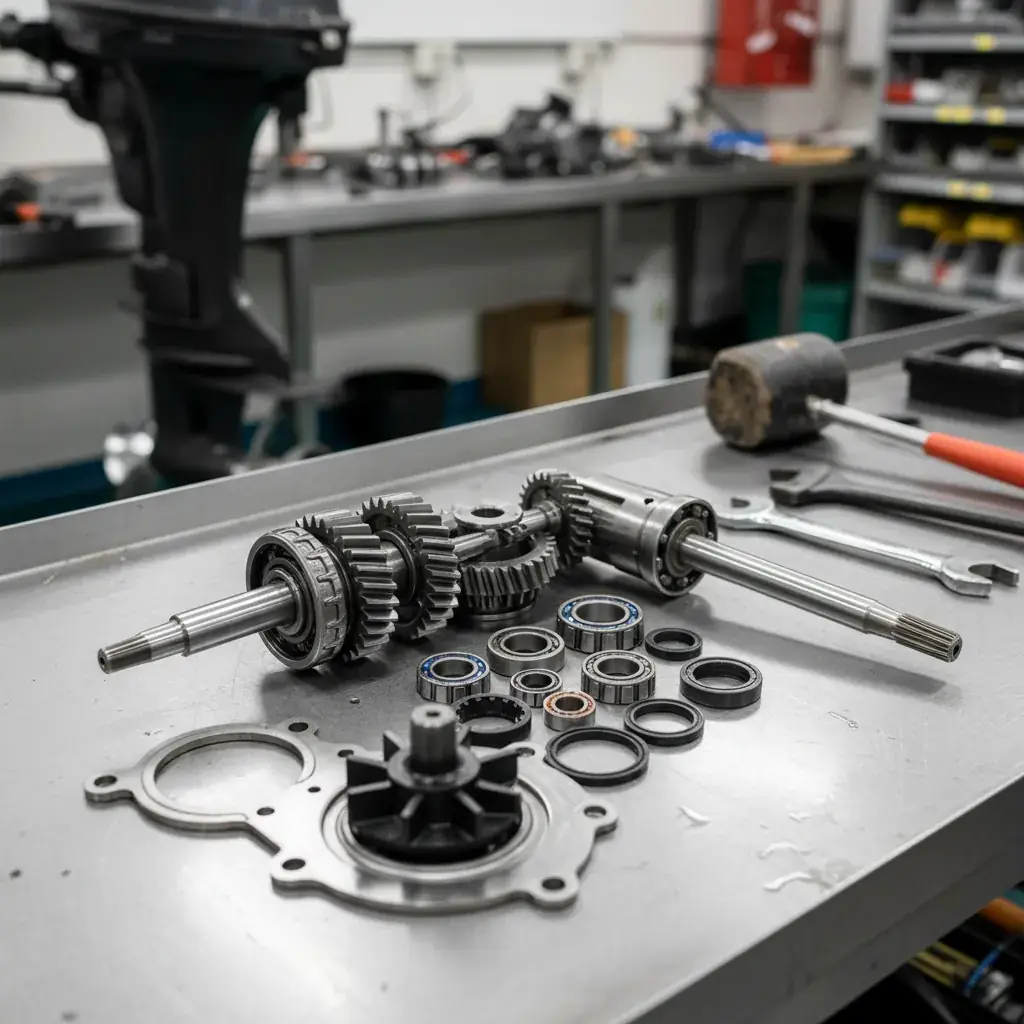
Lower Unit & Gearcase
Gearcase rebuild, seal replacement, water pump service, and gear oil changes. Fix milky oil before it destroys your lower unit.
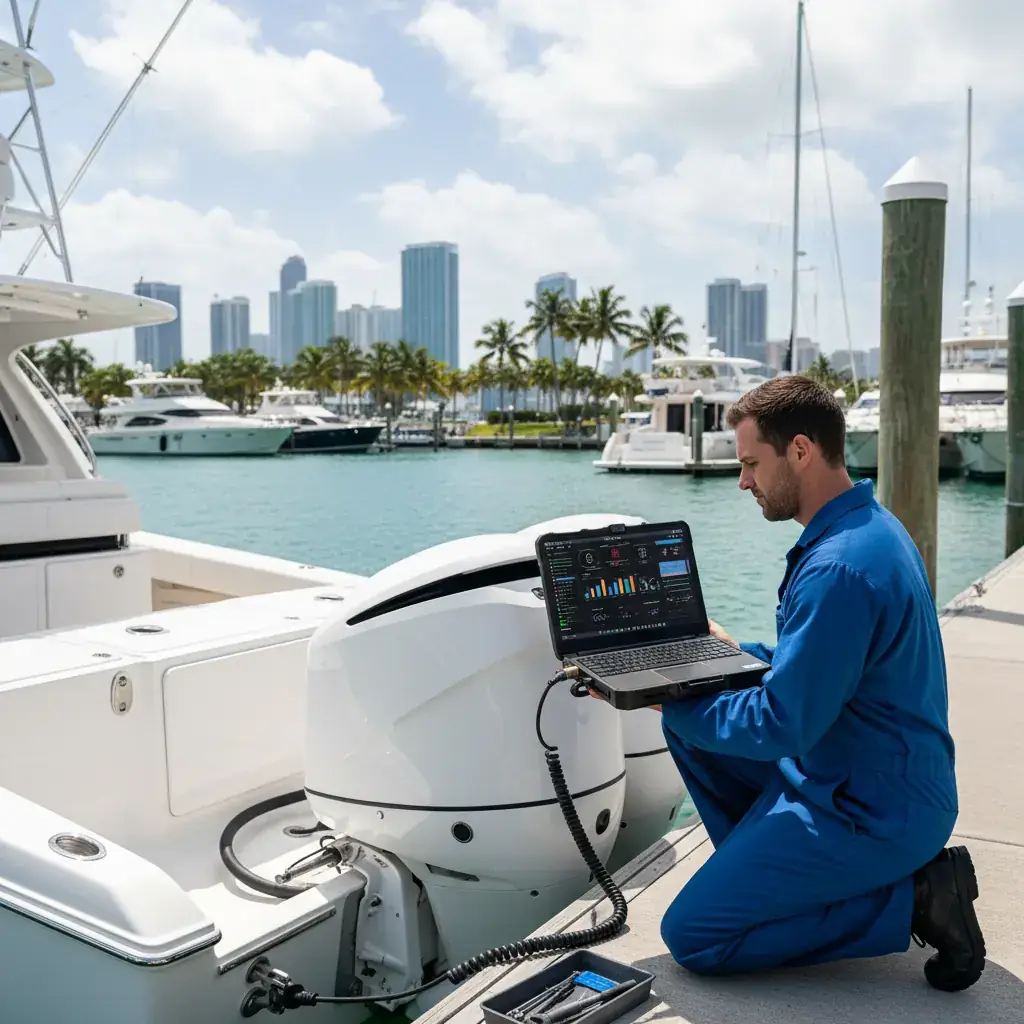
OEM Diagnostics & Alarm Codes
Factory-level engine diagnostics with YDIS, CDS G3, SDS, and HDS. Read, clear, and fix alarm codes other shops cannot.
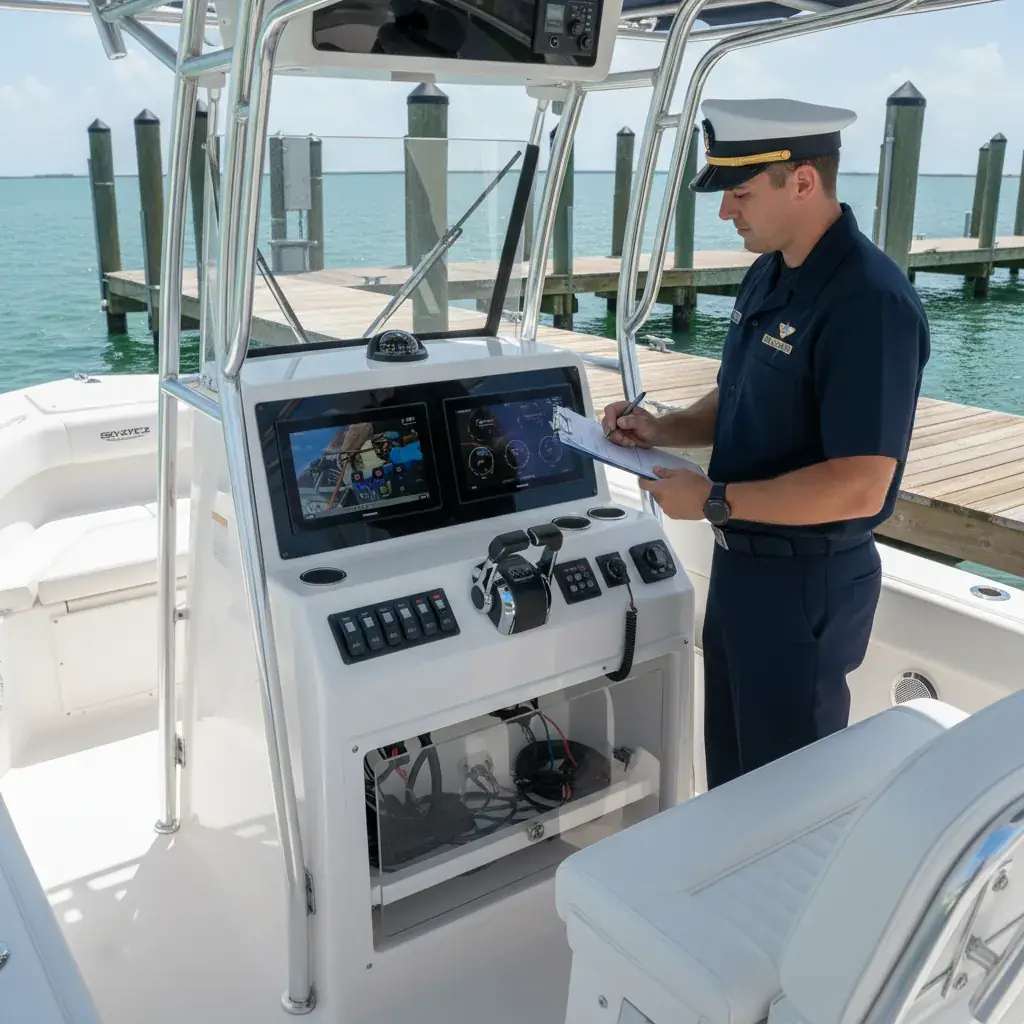
Pre-Delivery Inspection
Independent PDI for new boat buyers. Catch dealer-prep issues, missing options, and warranty items before you sign.
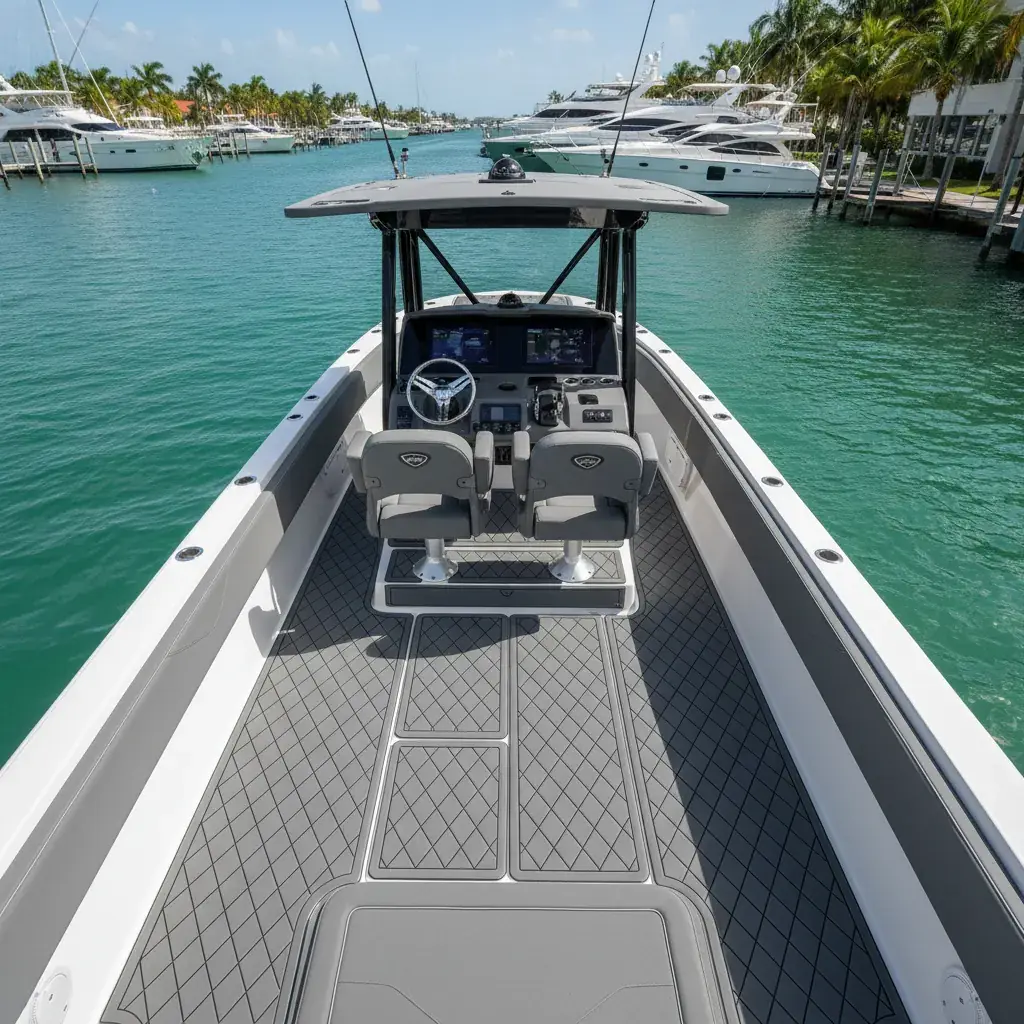
SeaDek / EVA Flooring
Custom SeaDek install, CNC-cut patterns, EVA foam flooring, and logo inlays. Quieter decks that stay cool in Miami sun.
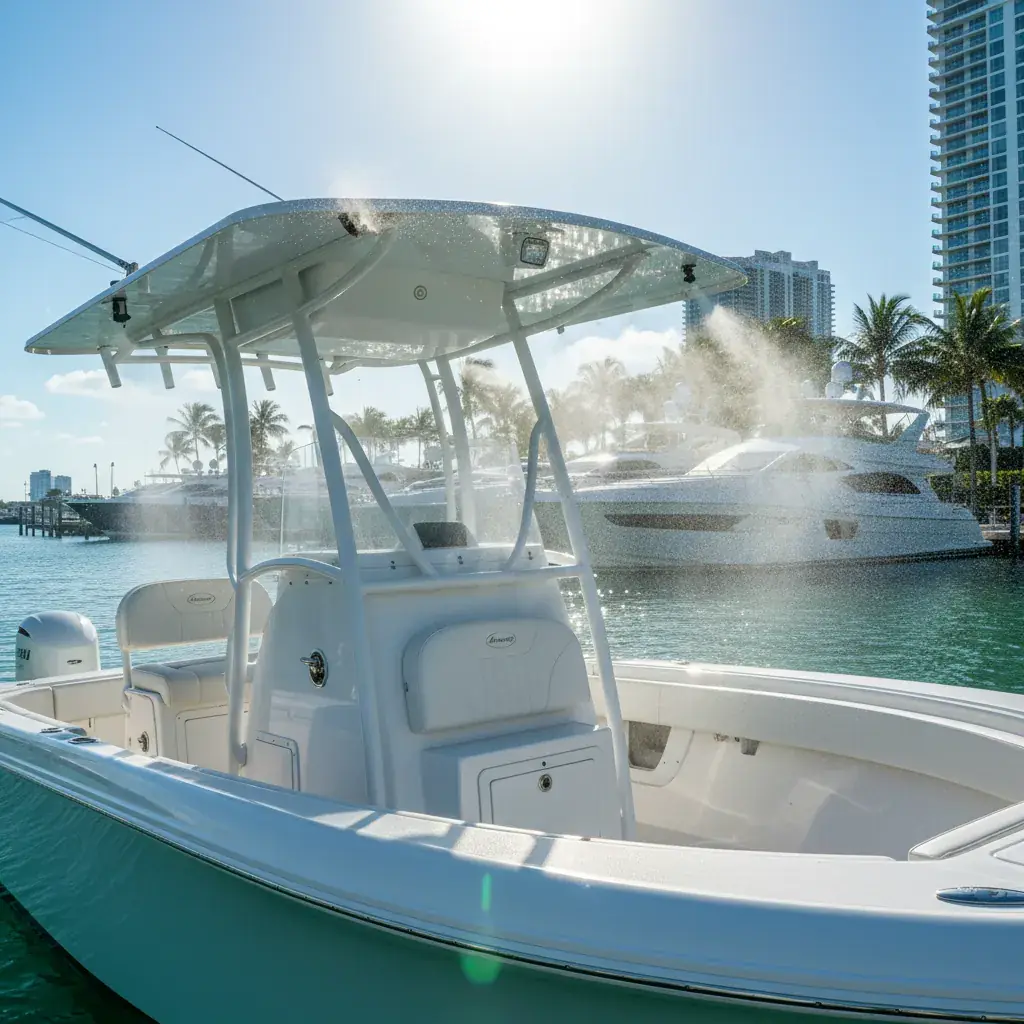
Misting System Installation
Dock, T-top, and flybridge misting systems that drop cockpit temps 15-20°F. Beat Miami summer heat on the water.
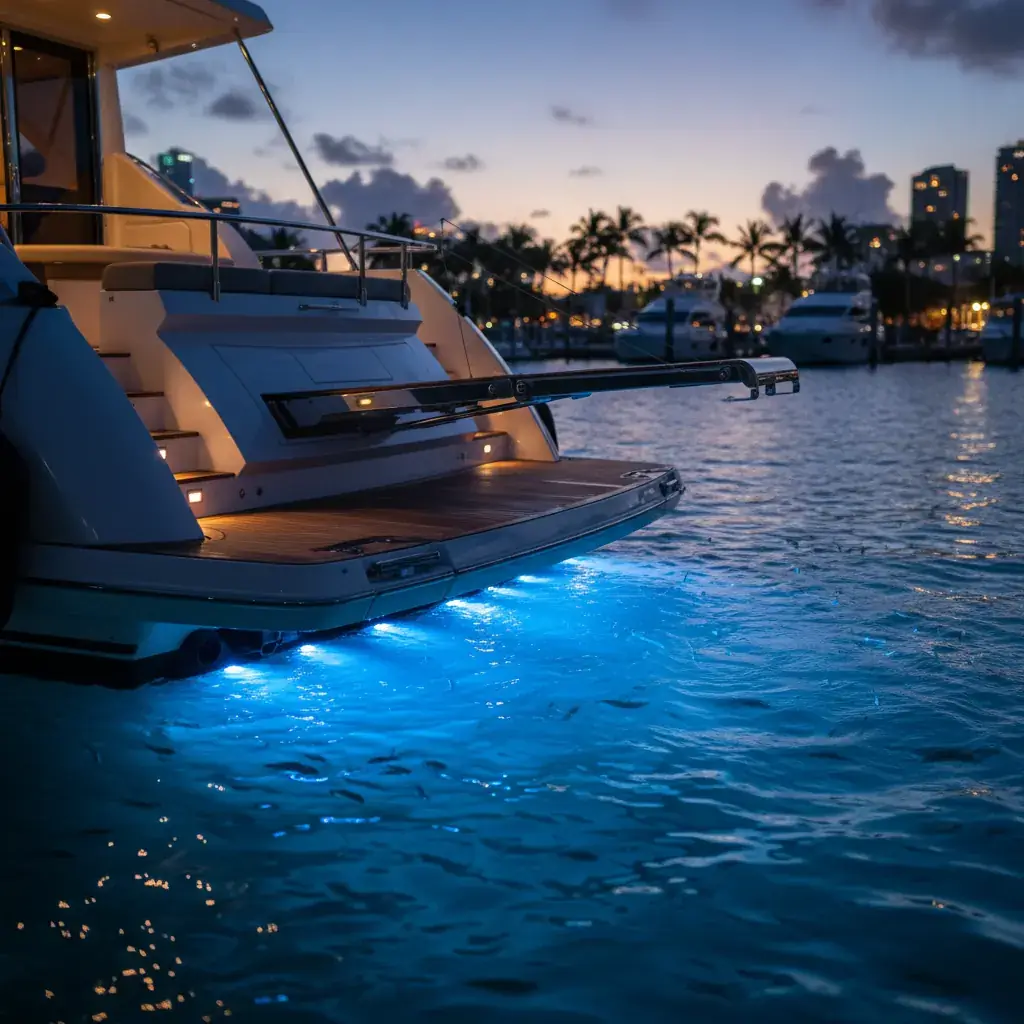
Marine LED Lighting
Underwater transom lights, deck LEDs, courtesy strips, and nav lighting. Shadow-Caster, Lumitec, and Lumishore installers.
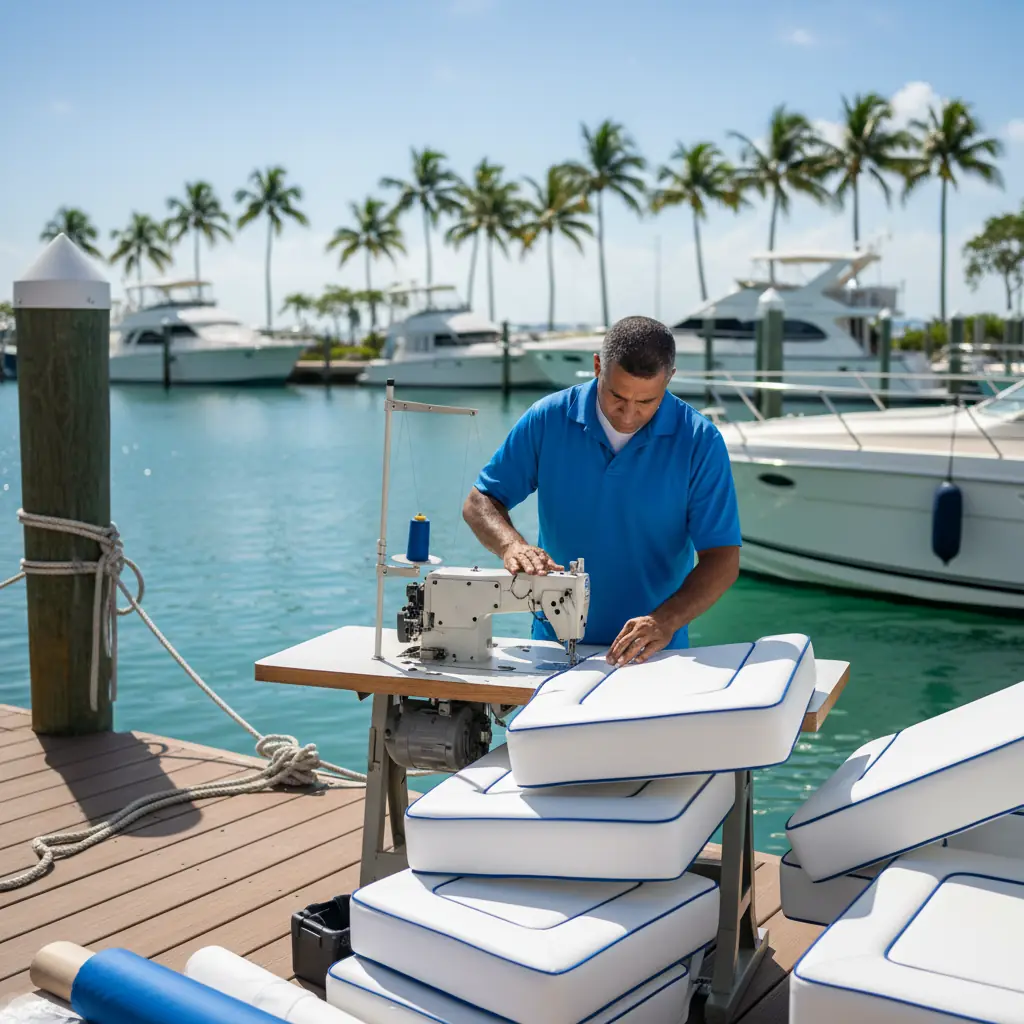
Marine Upholstery
Boat seat repair, yacht cushion replacement, vinyl restoration, and canvas work. Mobile service across South Florida.
300-Hour Service
Full 300-hour outboard service: valve lash, impeller, VST filter, thermostats, spark plugs, and ECU scan for Miami four-stroke engines.
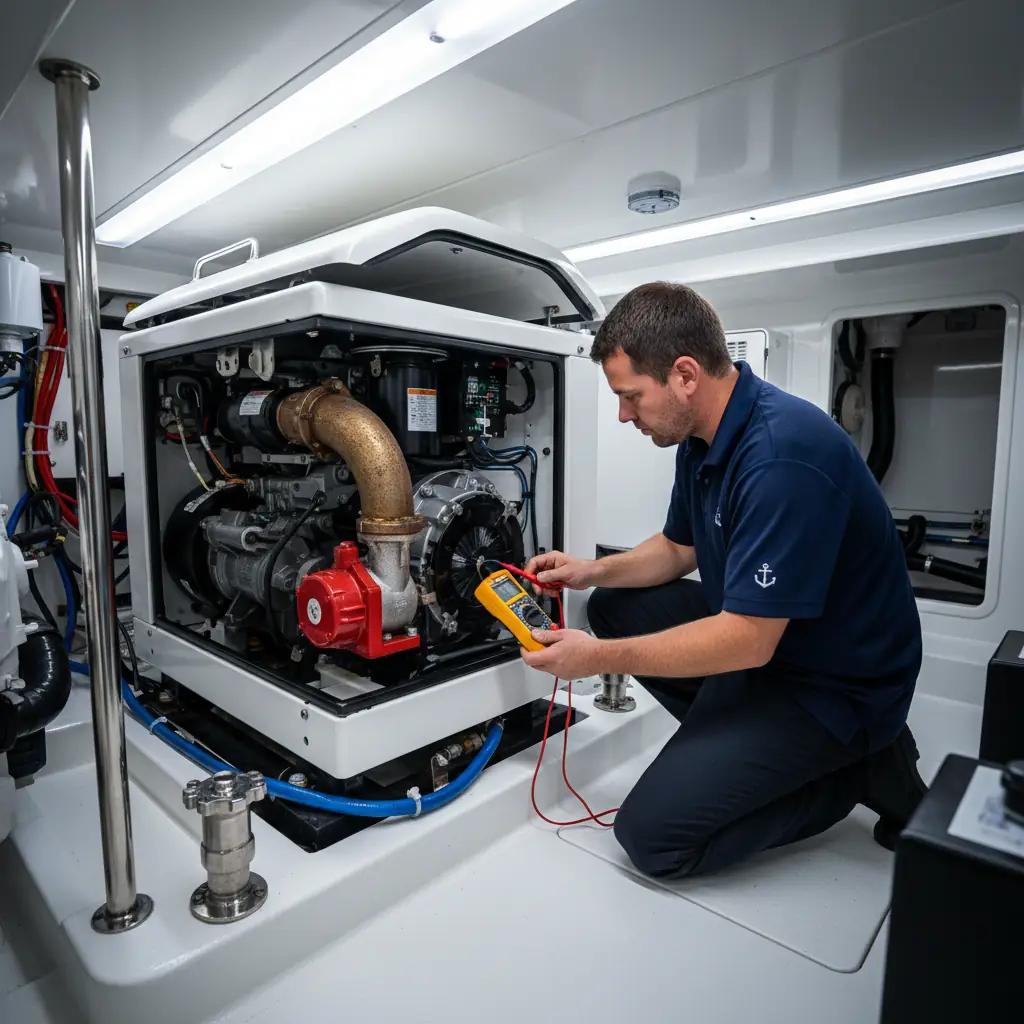
Marine Generator Repair
Miami marine generator repair for Onan, Kohler, Northern Lights, and more. Mobile service at your dock.
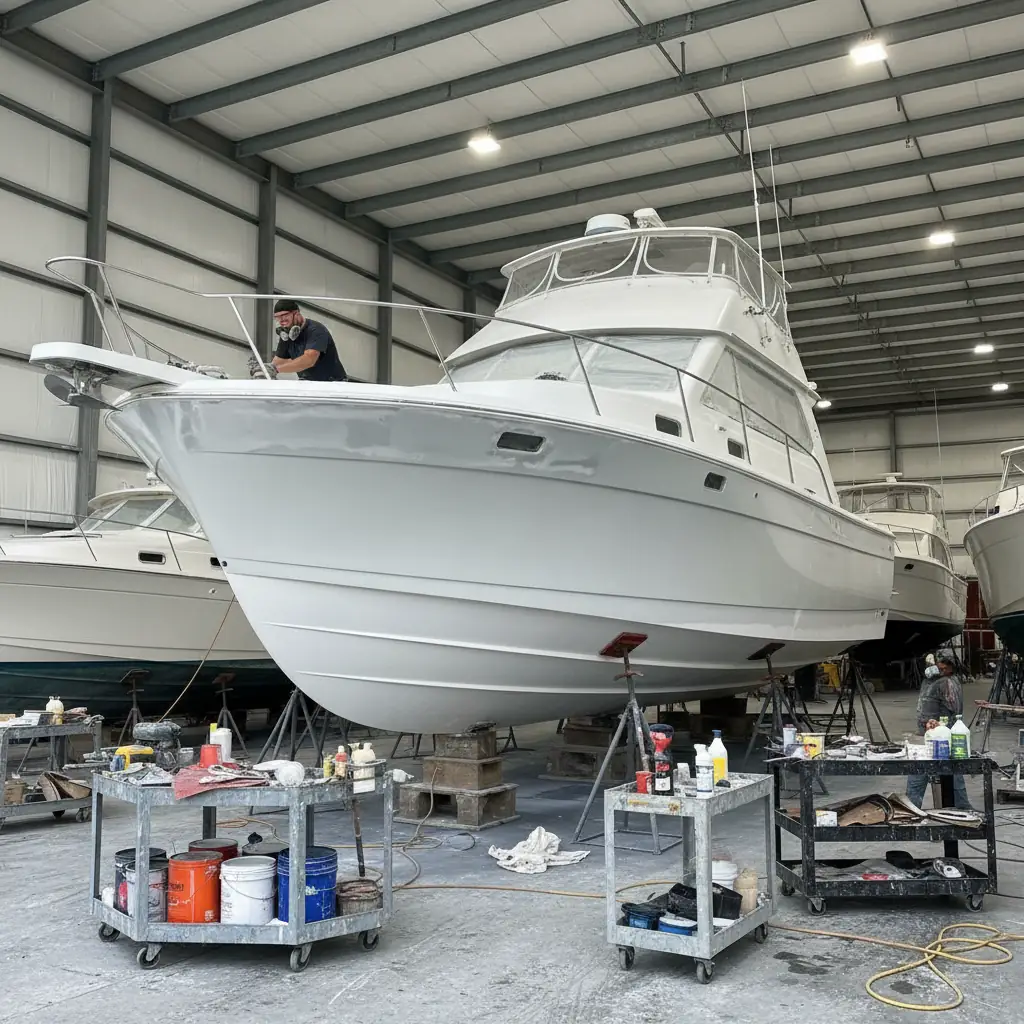
Boat Restoration
Miami boat restoration: hull rebuilds, refits, classic yacht work, fiberglass, paint, electrical, upholstery. Written scope on every project.
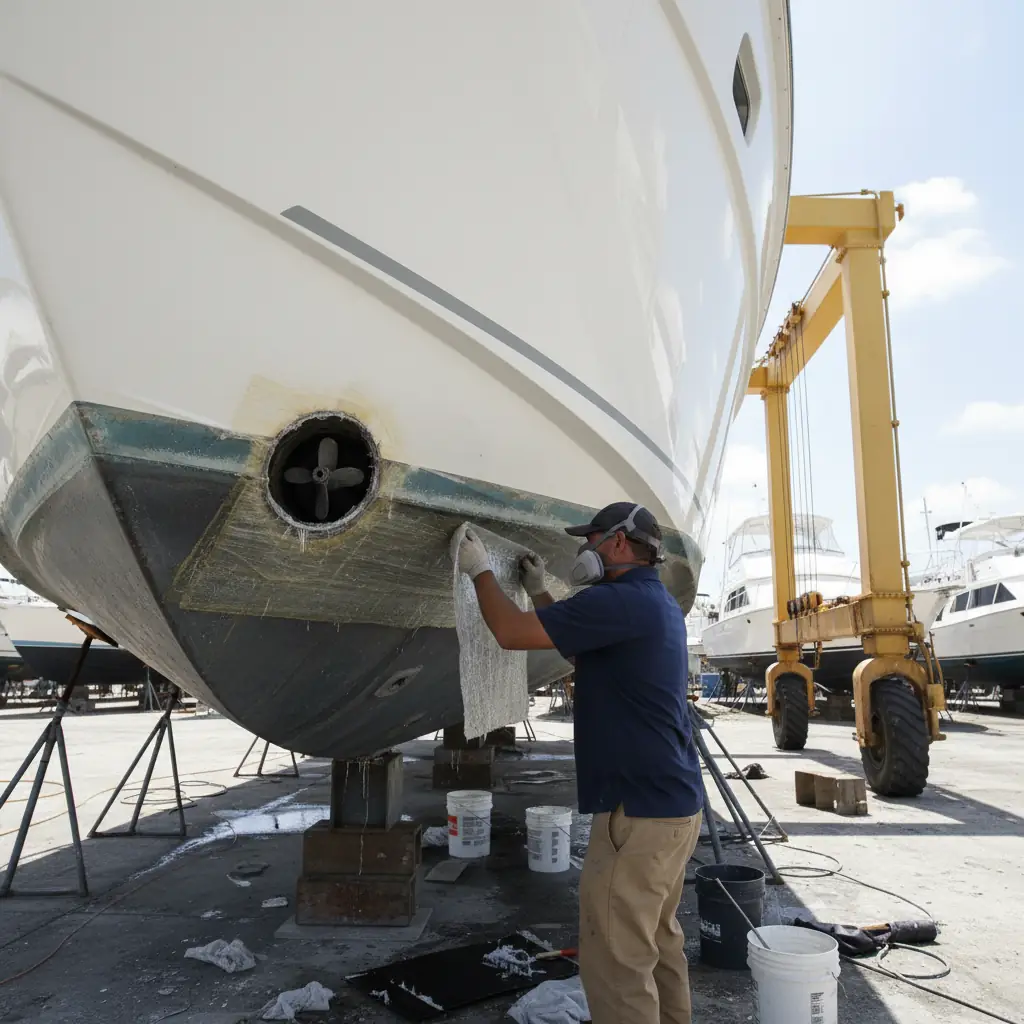
Bow Thruster Installation
Bow and stern thruster installation in Miami. Side-Power, Vetus, Lewmar. Tunnel and retractable mount. Joystick docking integration.
Need Yacht Topside Painting in Miami?
Our certified marine mechanics are ready to help. Call us today for fast, reliable service anywhere in the Miami area.