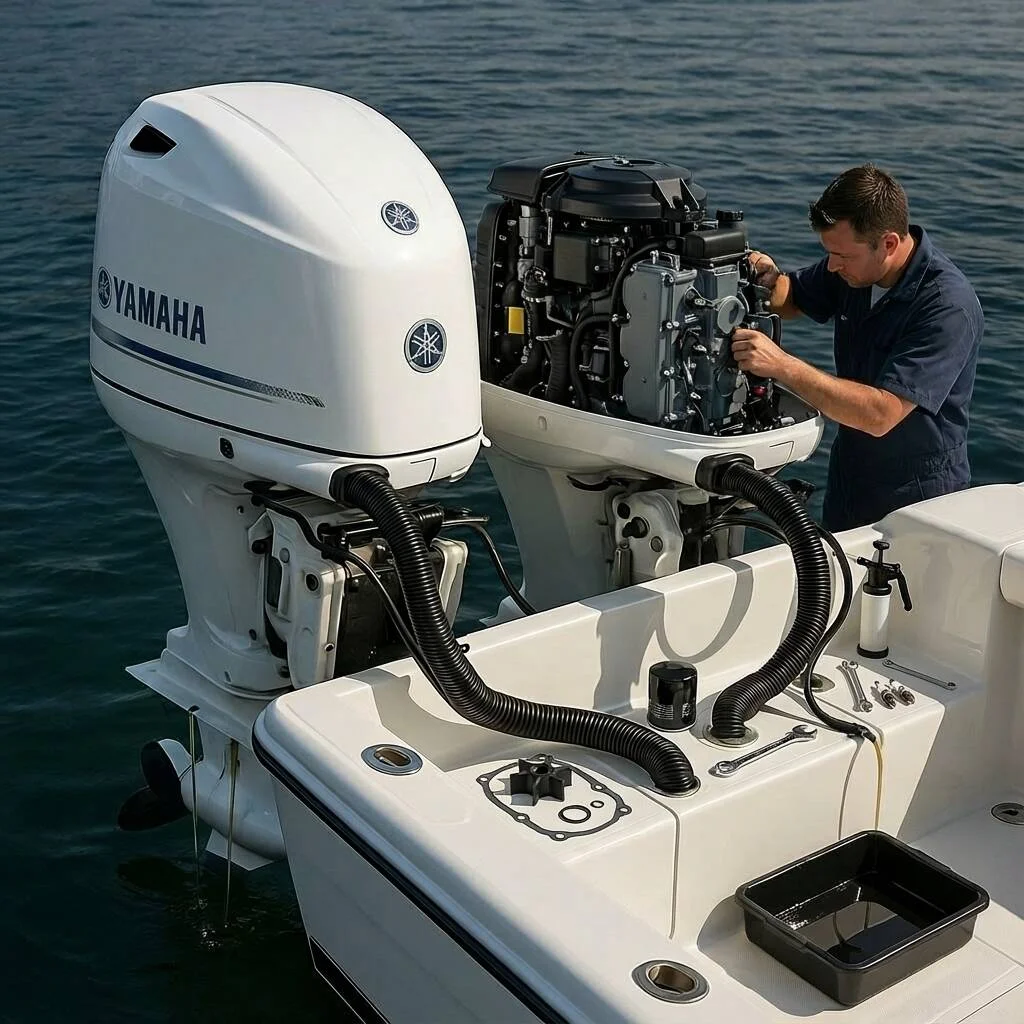
300-Hour Boat Service in Miami
Valve Lash, Impeller, VST Filter & Full Top-End Service for Four-Stroke Outboards
South Florida 300-Hour Service Experts
The 300-hour service is the most comprehensive scheduled maintenance interval your four-stroke outboard will ever see during normal operation. Where the 100-hour boat service handles fluids and filters, the 300-hour goes deeper: valve clearance inspection and adjustment, complete water pump impeller replacement, thermostat and VST filter replacement, and a full ECU diagnostic scan. Miami boats run hard in saltwater and humid air year-round, which means corrosion, fuel contamination, and heat wear compound faster than in freshwater climates. Our mobile marine mechanics bring the full 300-hour service to your dock or marina anywhere in Miami-Dade and Broward.
Why the 300-Hour Mark Matters
Modern four-stroke outboards are engineered around scheduled maintenance intervals, and the 300-hour mark is where the manufacturer requires service items that simply cannot wait any longer. At 100 hours you change oil, replace the fuel filter, and check the impeller. At 300 hours you address the components that wear slowly but cause catastrophic failures when ignored: valve train clearances, cooling system components, the high-pressure fuel system, and the ignition system. Skipping this interval doesn't just void your warranty , it sets you up for a blown engine on the water.
Most four-stroke outboard owners hit 300 hours in roughly three years of regular South Florida use. Yamaha, Mercury, Suzuki, and Honda all use language like "300 hours or 3 years, whichever comes first" in their service manuals. If your boat has been sitting and the hours are low, age alone triggers the interval. Rubber impellers harden, thermostat springs weaken, and fuel system seals degrade on the calendar regardless of runtime.
When to Schedule Your 300-Hour Service
The simple answer: 300 engine hours on the hour meter, or three years since your last major service, whichever arrives first. Miami boaters tend to hit 300 hours faster than they expect. Weekend runs to the Keys, nearshore fishing trips, and Biscayne Bay cruising add up quickly on a boat that gets used year-round. If you bought a used boat and can't confirm the last 300-hour service was performed, schedule one now regardless of hours. Signs like rough idle, a slight overheating tendency at cruise, or reduced fuel economy are all signals that this service is overdue.
If you're unsure where your engine stands, our team can perform OEM diagnostics and alarm code reset first to identify any stored fault codes before we open anything up.
What a Proper 300-Hour Service Covers
A factory-correct 300-hour service is not a quick job. Below are the core items we perform on every engine at this interval.
Valve Clearance Inspection and Adjustment
This is the defining procedure of the 300-hour service. Four-stroke outboard valves tighten over time as the valve seat wears, reducing clearance and eventually causing the valve to stay partially open. A burnt valve, compression loss, and hard starting are the results. Valve lash adjustment requires removing the valve cover, using feeler gauges against manufacturer specifications for each cylinder, and shimming or adjusting as needed. It is a precision job that requires the correct spec sheet for your specific engine code, not just the model family.
Water Pump Impeller Replacement
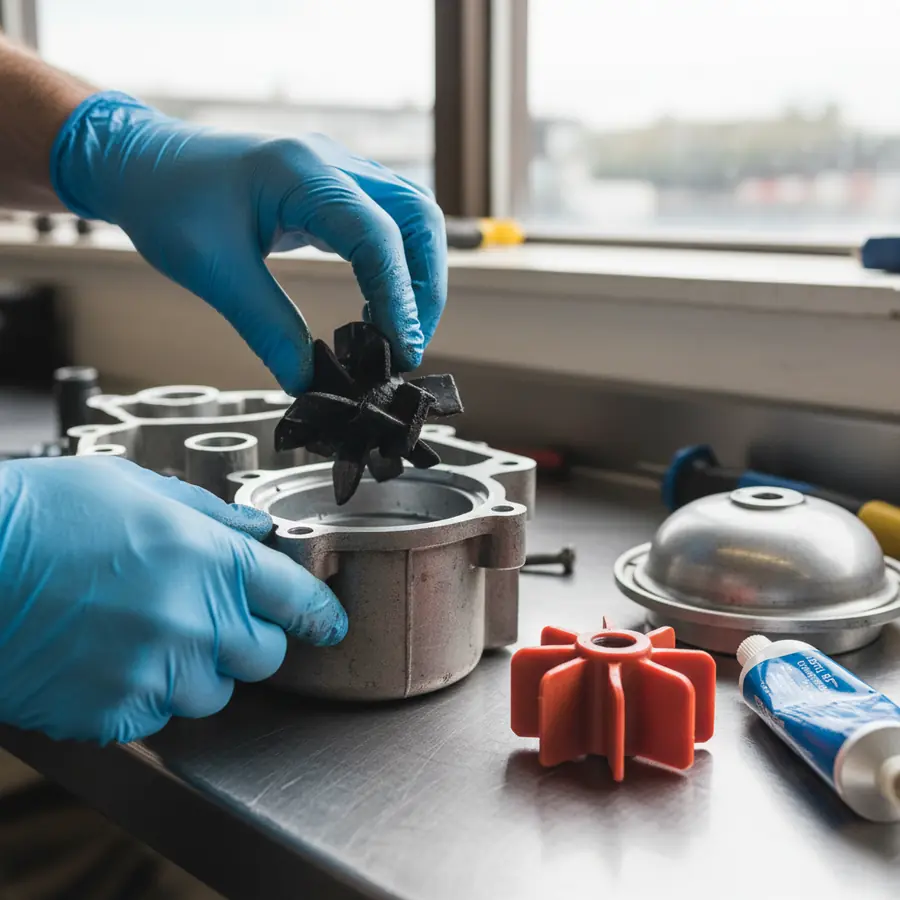
At 100 hours we inspect the impeller. At 300 hours we replace it unconditionally. Rubber impellers develop memory set after two to three years of service, meaning the vanes no longer spring back fully and cooling flow drops. An impeller that looks acceptable on a bench inspection can fail at wide-open throttle in warm Florida water. Replacement at 300 hours is not optional.
Thermostat Replacement
Thermostats stick open or closed in saltwater environments. A thermostat stuck open keeps the engine running cool and prevents it from reaching operating temperature, which causes carbon buildup and poor combustion efficiency. A thermostat stuck closed causes overheating. On V6 and V8 engines there are two thermostats, and we replace both. Thermostats are inexpensive insurance against a tow-in or worse.
VST Filter Replacement
The Vapor Separator Tank filter is a high-pressure fuel filter located inside the VST assembly, upstream of the high-pressure fuel pump. It is invisible from outside the engine and is missed by nearly every DIY service attempt. Ethanol-blended fuel pulls moisture from the air, and in South Florida's humidity this filter clogs faster than in northern climates. A clogged VST filter causes fuel starvation under load, which presents as hesitation at wide-open throttle or a lean surge at cruise. We include VST filter replacement in every 300-hour service we perform.
Full Spark Plug Replacement
At 100 hours we inspect plugs and may clean or gap them. At 300 hours all spark plugs are replaced with OEM-spec plugs. Iridium and platinum plugs used in modern outboards maintain electrode geometry longer than older designs, but they still wear. Worn plugs increase misfire probability, raise combustion temperatures, and stress the ignition coils.
Engine Oil and Gear Lube Service
Engine oil and lower unit gear lube are standard carry-overs from the 100-hour interval. If your last oil change was under 100 hours ago and recent, we note it and skip accordingly, but for most 300-hour services both are due. We also inspect the gear lube for milky discoloration, which indicates a failing seal and triggers our lower unit service recommendation.
Timing Belt or Chain Inspection
Honda BF series engines (BF175 and larger) require timing belt inspection at 300 hours, with replacement if wear or cracking is found. Some Mercury FourStroke models also call for timing component inspection at this interval. We reference the factory service manual for your specific engine serial number to determine what applies.
ECU Diagnostic Scan and Service Reset
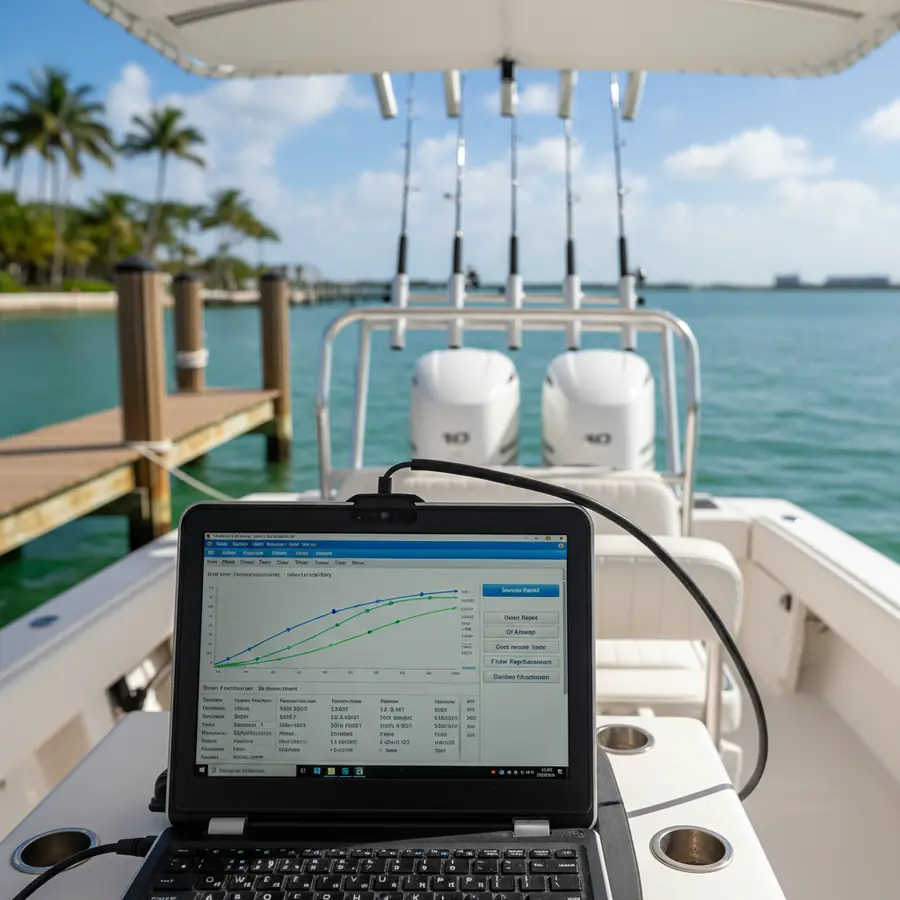
Every 300-hour service we perform ends with a full ECU diagnostic scan using OEM-level tooling. We check for stored fault codes, pending codes, and sensor readings that fall outside of normal range. After service is complete, we reset the service reminder indicators and document the engine hours and date in the service record.
Cable, Linkage, and Anode Service
All throttle and shift cables receive fresh lubrication through zerk fittings or wipe points. Sacrificial anodes are replaced at 300 hours on most engines rather than the half-life check performed at 100 hours. Saltwater eats anodes aggressively, and an engine running without adequate anode protection will show corrosion on aluminum components within one season.
Compression and Leak-Down Testing
We recommend a compression test and cylinder leak-down test as part of every 300-hour service. This establishes a documented baseline for your engine's health and catches valve sealing issues before they become catastrophic. If a cylinder is trending low on compression, it's far better to know now than at the ramp on a Saturday morning.
Brand-Specific Notes
Yamaha F200 through F425
Yamaha's factory service schedule for F200 through F425 engines specifically calls out valve clearance inspection, spark plug replacement, VST filter replacement, thermostat replacement, water pump impeller replacement, and gear lube service at 300 hours or three years. Yamaha uses the "every 3 years" language explicitly in their service documentation, which means even low-hour engines on a three-year-old boat are due for these items.
Mercury Verado and FourStroke
Mercury Verado engines add a supercharger oil change to the 300-hour checklist. The supercharger oil lubricates the roots-type blower that makes the Verado's power density possible, and this is a unique item that only applies to the Verado family. Mercury FourStroke naturally aspirated engines call for serpentine belt inspection, gearcase service, fuel filter, thermostat replacement, and valve lash where applicable to the specific displacement.
Suzuki DF Series
Suzuki DF engines include injector cleaning and a timing chain tension check on select models at 300 hours in addition to valve clearance inspection, impeller replacement, spark plugs, and gear lube. Suzuki's service schedule is among the more detailed in the industry, and following it exactly is what keeps DF engines running past 2,000 hours.
Honda BF Series
Honda BF175 and larger engines require timing belt inspection specifically at 300 hours, with belt replacement recommended if any cracking, fraying, or wear is found. Honda also requires valve clearance adjustment at this interval, and the procedure on BF engines is detailed and time-consuming due to the VTEC-style valve train architecture on some models.
Why Saltwater Demands Stricter 300-Hour Attention
Everything on a Miami boat ages faster. Salt air accelerates corrosion in cooling passages, which restricts flow and stresses the thermostat and impeller sooner than in freshwater. Boats that spend time idling at docks or in no-wake zones , common in Miami's waterways , accumulate valve deposits faster than engines run at cruise rpm. Ethanol-blended fuel, which is virtually unavoidable at Miami marinas, pulls water from humid air into the fuel system and clogs the VST filter at an accelerated rate. The 300-hour service is specifically the intervention that addresses all of these saltwater-accelerated failure modes before they become engine failures.
If your engine also powers a vessel that stays in a slip year-round, we can pair the 300-hour service with hurricane prep service when the season approaches.
What Happens If You Skip the 300-Hour Service
The consequences of skipping the 300-hour interval are not abstract. Tight valve clearances lead to burnt valves and compression loss, which means a top-end rebuild costing several times the price of the service. A hardened impeller fails at the worst moment, usually at cruise speed in warm water, triggering an overheat shutdown or worse. A stuck thermostat causes chronic overheating that warps heads and damages gaskets. A clogged VST filter causes lean fuel conditions that can score injector tips and cause high-pressure pump failure. These are not edge cases , they are the predictable outcome of deferred maintenance on a saltwater engine in South Florida.
When failures do happen, our team handles the full repair. From four-stroke outboard repair to marine engine repair at any scale, we have the tooling and OEM parts access to get you back on the water.
Why Most 300-Hour Work Requires a Professional
Valve lash adjustment is not a task for a service manual and a YouTube video. The correct feeler gauge specs vary by engine serial number range, not just model. Incorrect clearances cause worse problems than doing nothing at all. The VST assembly on most outboards is buried behind other components and requires OEM tools to access without damaging fuel system seals. Torque specs on valve cover fasteners, head components, and fuel system fittings are tight tolerances that require calibrated tools. If any single step in a 300-hour service is done incorrectly, it can cost as much to repair as the service itself. For boat propeller repair, many boaters do fine handling the basics. For a 300-hour service, the precision required puts it firmly in the professional category.
If you have questions about your engine's electrical system discovered during a diagnostic scan, our marine electrical service team can address wiring, sensor, and charging issues the same visit.
Schedule Your 300-Hour Service in Miami
We serve Miami-Dade, Broward, and Monroe County boaters on Yamaha, Mercury, Suzuki, Honda, and other four-stroke outboard brands. We come to your dock, marina, or storage yard fully equipped to complete the 300-hour service on-site. Call (305) 290-2701 or request service online to schedule your 300-hour service today.
Know the Signs
Signs You Need a 300-Hour Service
Engine hours approaching or past 300
Last major service was 2 or more years ago
Rough idle or misfires under load
Overheat alarm or weak telltale stream at cruise
Fuel economy dropped noticeably over the past season
Boat stored in saltwater year-round with no recent major service
Hard starting or extended crank time on a warm engine
Service reminder light is on or overdue
Our Process
The 300-Hour Service Process
Diagnostic and Baseline
We connect OEM-level diagnostic tooling to read all stored and pending fault codes, record current engine hours, and perform a compression test on each cylinder to establish a pre-service baseline before any components are removed.
Valve Lash and Top-End Work
We remove the valve cover and inspect all valve clearances against the factory spec sheet for your engine serial number range. Clearances outside spec are adjusted. Spark plugs are replaced with OEM-spec plugs. Timing belt or chain components are inspected where the manufacturer requires it.
Cooling and Fuel Overhaul
The water pump impeller is replaced unconditionally. Both thermostats are replaced on V6 and V8 engines. The VST filter is replaced, and the complete fuel system is inspected for contamination or wear. Engine oil and lower unit gear lube are changed and new anodes are installed.
Test, Verify, and Document
The engine is started and run through operating temperature to verify cooling flow, idle quality, and throttle response. A post-service ECU scan confirms no new fault codes. We reset the service reminder and provide a written service record with engine hours, date, and all parts replaced.
South Florida 300-Hour Service Experts
Miami's 300-Hour Outboard Service Specialists
Why Choose Us
What a 300-Hour Service Covers
Valve clearance inspection and adjustment to factory spec
Water pump impeller replacement
Thermostat and VST filter replacement
Full spark plug replacement with OEM-spec plugs
Engine oil, gear lube, and anode service
Comprehensive ECU diagnostic scan with service reset
300-Hour Service FAQ
Common questions about 300-hour service in Miami
More Services
Related Boat Repair Services
Inboard Engine Repair
Inboard and marine diesel service for cruisers, sportfishers, and express yachts. MerCruiser, Volvo Penta, Yanmar, and Cummins.
Outboard Engine Repair
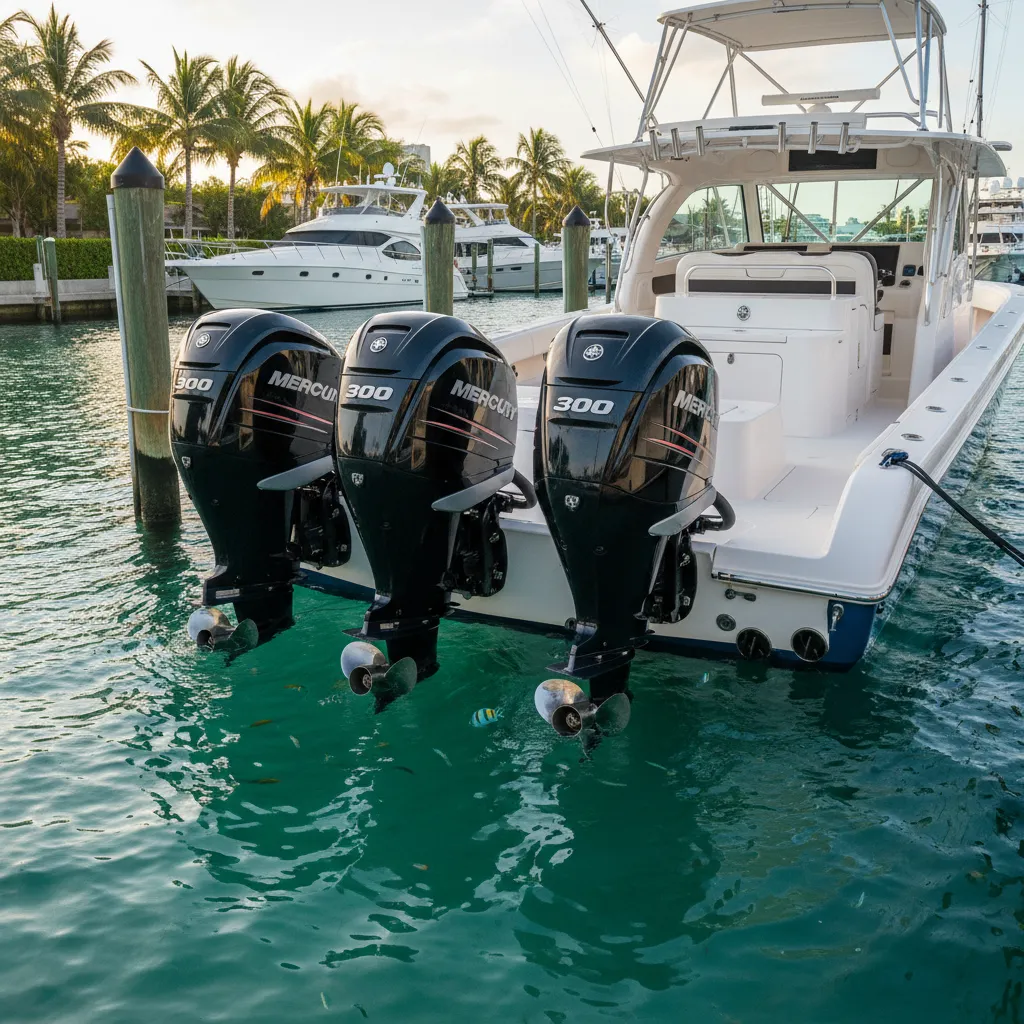
Certified Yamaha, Mercury, Suzuki, Honda, and Evinrude outboard service. 2.5hp to 600hp, 4-stroke and 2-stroke at your dock.
Fiberglass Repair
Hull cracks, structural damage, and stress fractures. Saltwater-grade resin and cloth repairs for Miami boats damaged by impact or wear.
Boat Electrician
Marine electrical troubleshooting, rewiring, battery systems, and navigation wiring. Certified boat electricians servicing your dock.
Boat Cleaning
Mobile wash, wax, and detail service for boats kept in Miami marinas. Salt rinse, compound, and UV protection routines.
Boat Inspections
Pre-purchase surveys and used-boat inspections across South Florida. Engine, hull, electrical, and mechanical evaluations before you buy.
100-Hour Service
Manufacturer-recommended 100-hour maintenance for outboards. Oil, filters, gear lube, spark plugs, anodes, and water pump inspection.
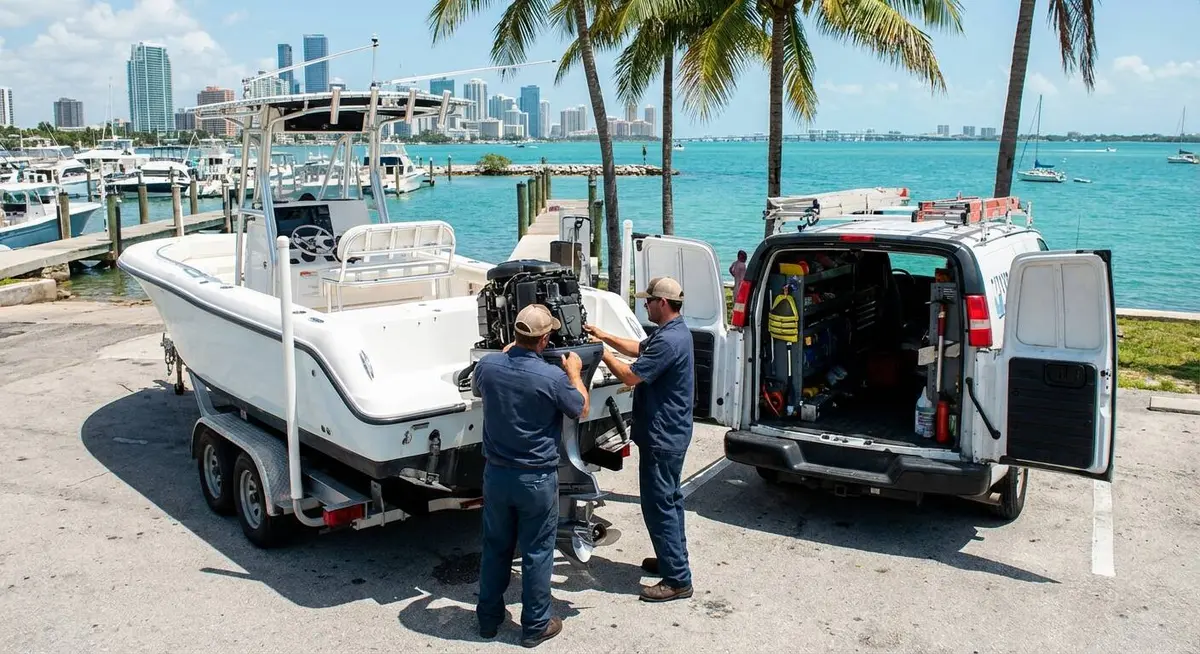
Mobile Marine Mechanics
Factory-certified mechanics come to your dock 24/7 for engine, electrical, and fuel system service. On-site repair across South Florida.
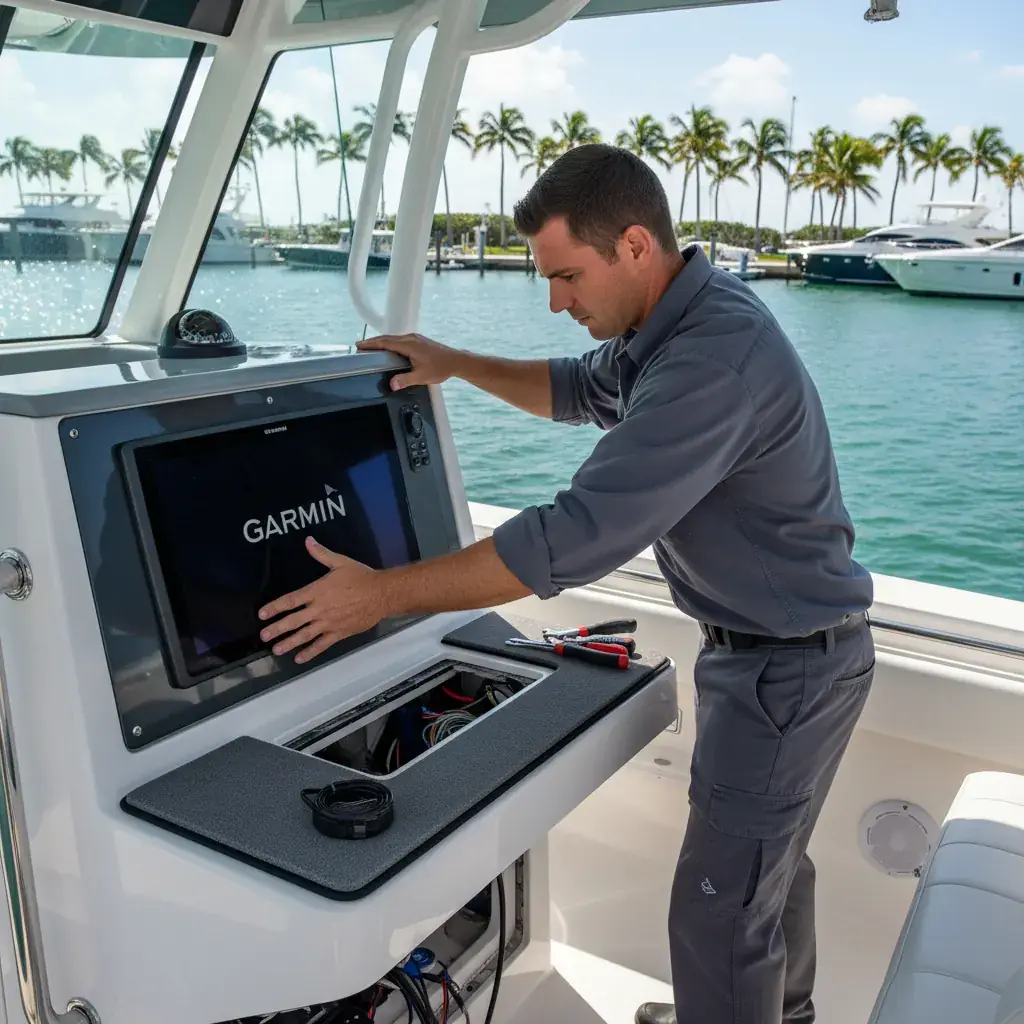
Marine Electronics Installation
Chartplotters, radar, VHF, fishfinders, and NMEA 2000 networks installed. Garmin, Raymarine, Simrad, Lowrance, Humminbird.
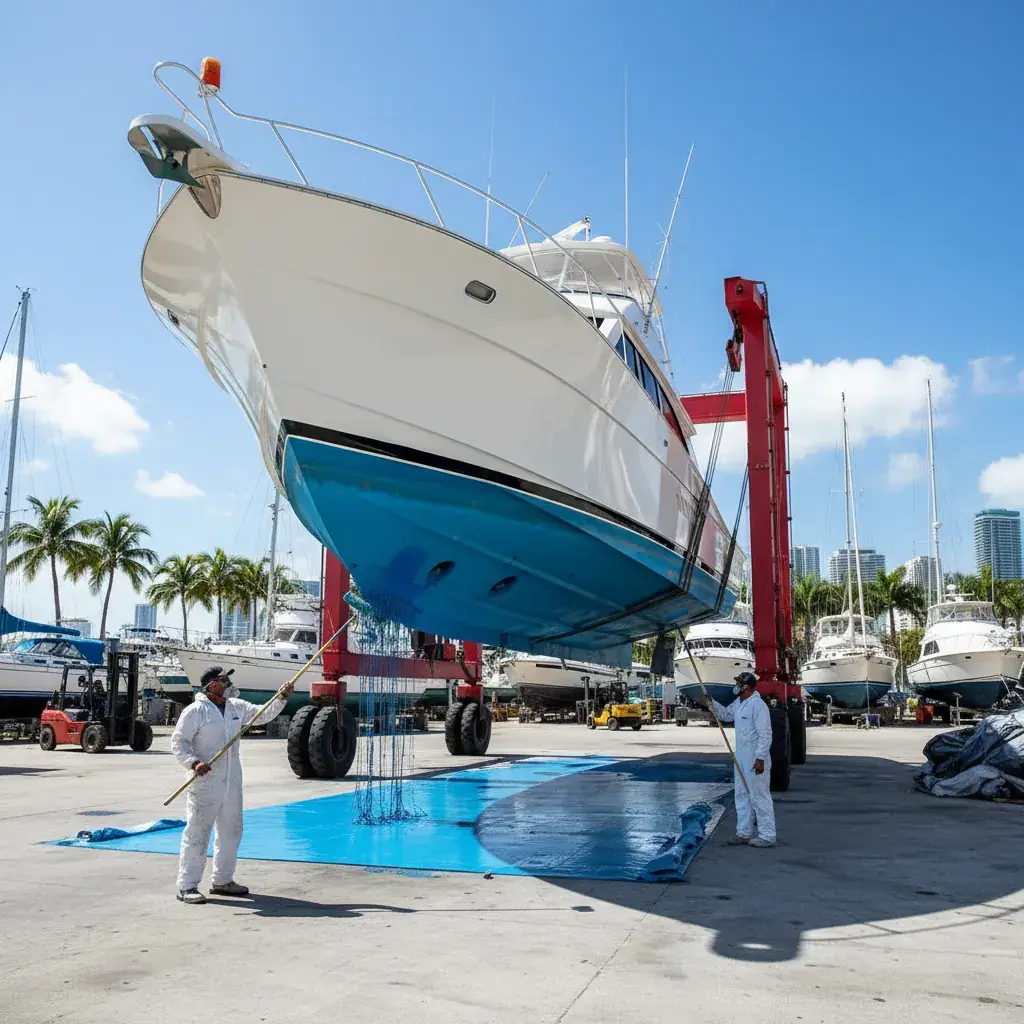
Bottom Painting
Antifouling paint, prep sanding, and haul-out coordination for Miami boats kept in the water year-round. Interlux and Pettit applicators.
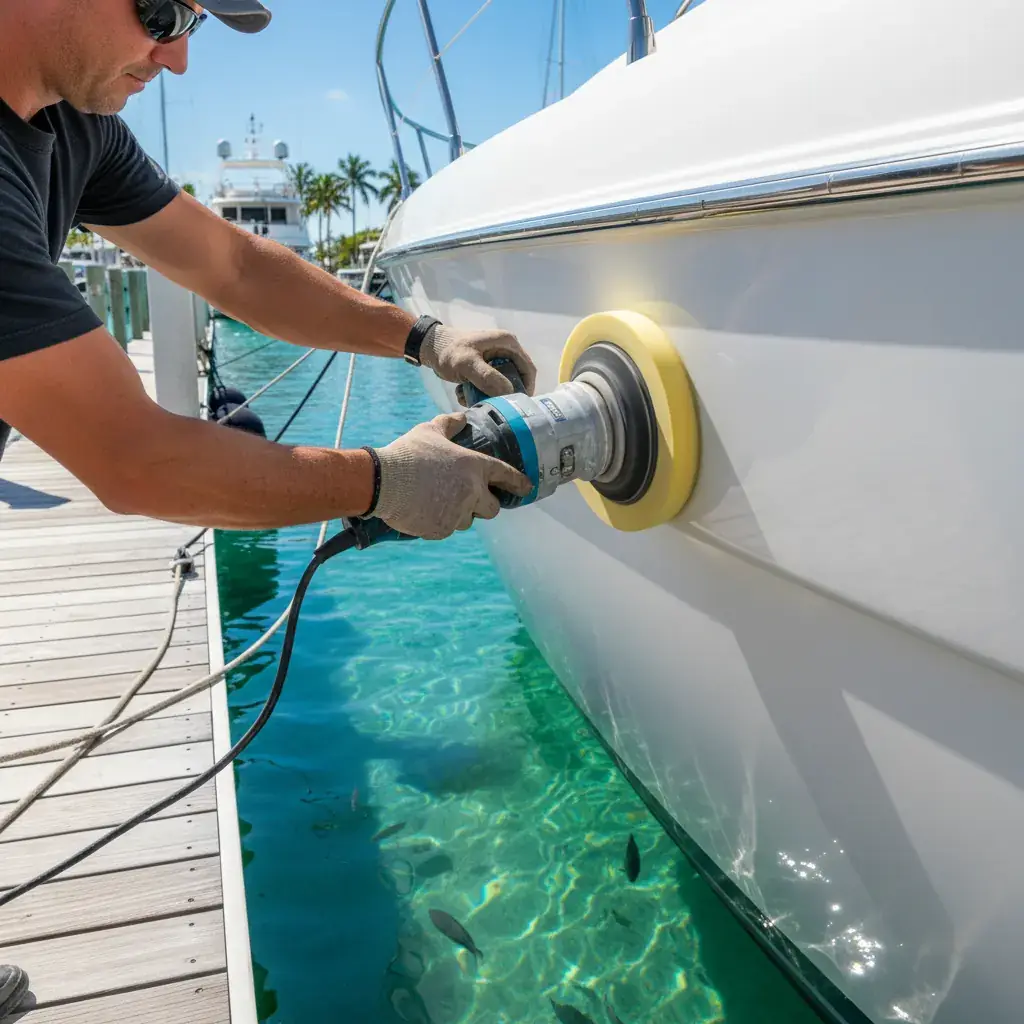
Boat Detailing
Premium wax, polish, compound, and ceramic coating. Restore UV-faded gelcoat and protect your hull from Miami sun and salt.
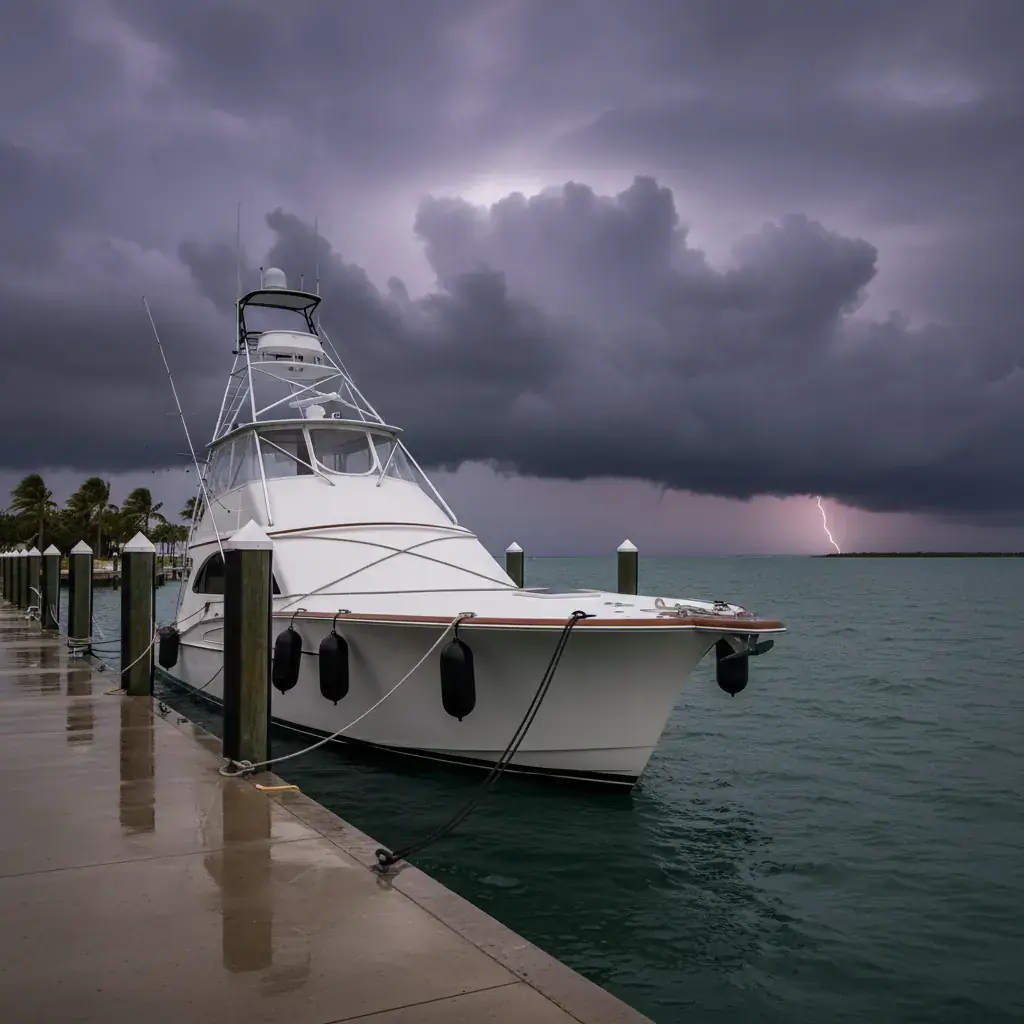
Hurricane Prep
Pre-storm tie-down, haul-vs-dock planning, and post-storm assessment. Protect your boat from Atlantic hurricane season in South Florida.
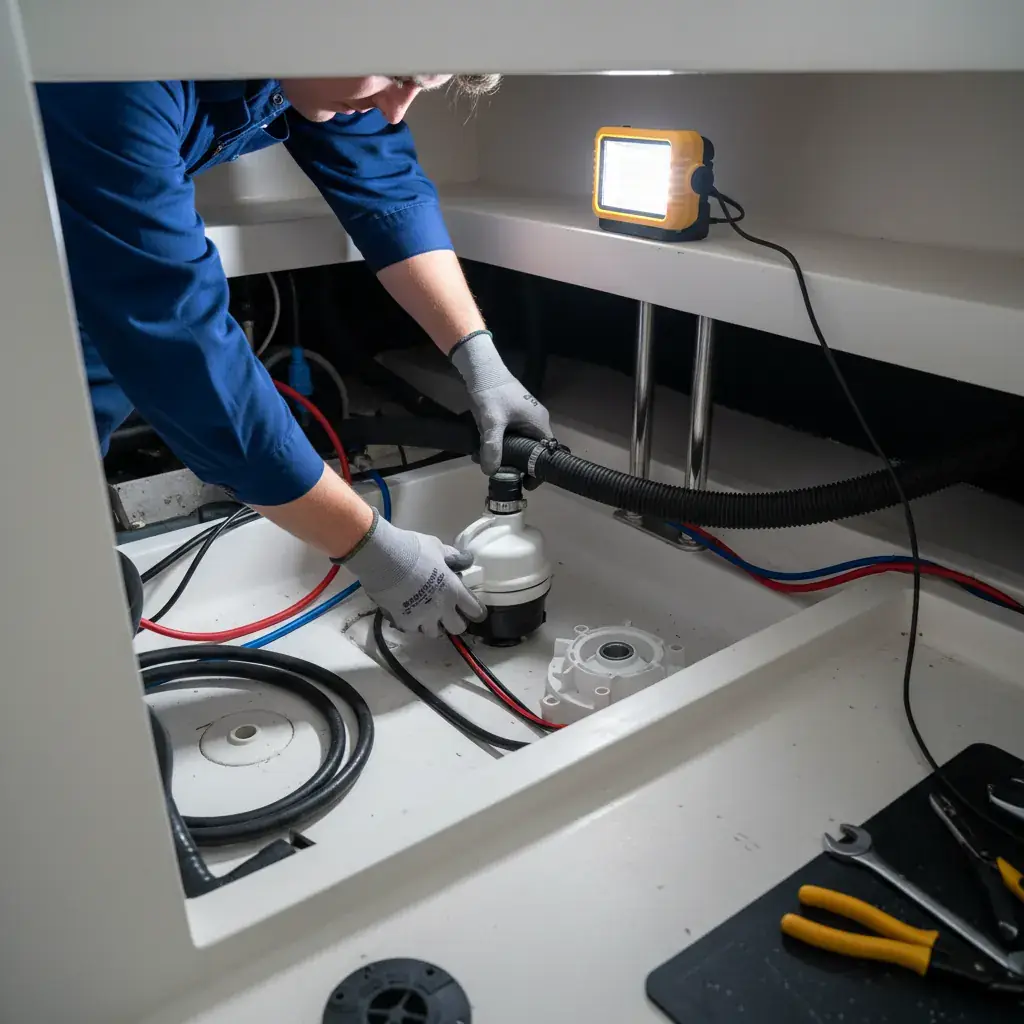
Marine Plumbing & Bilge Pumps
Bilge pump installation, freshwater systems, marine heads, livewells, and seacock service. Fix leaks before they sink the boat.
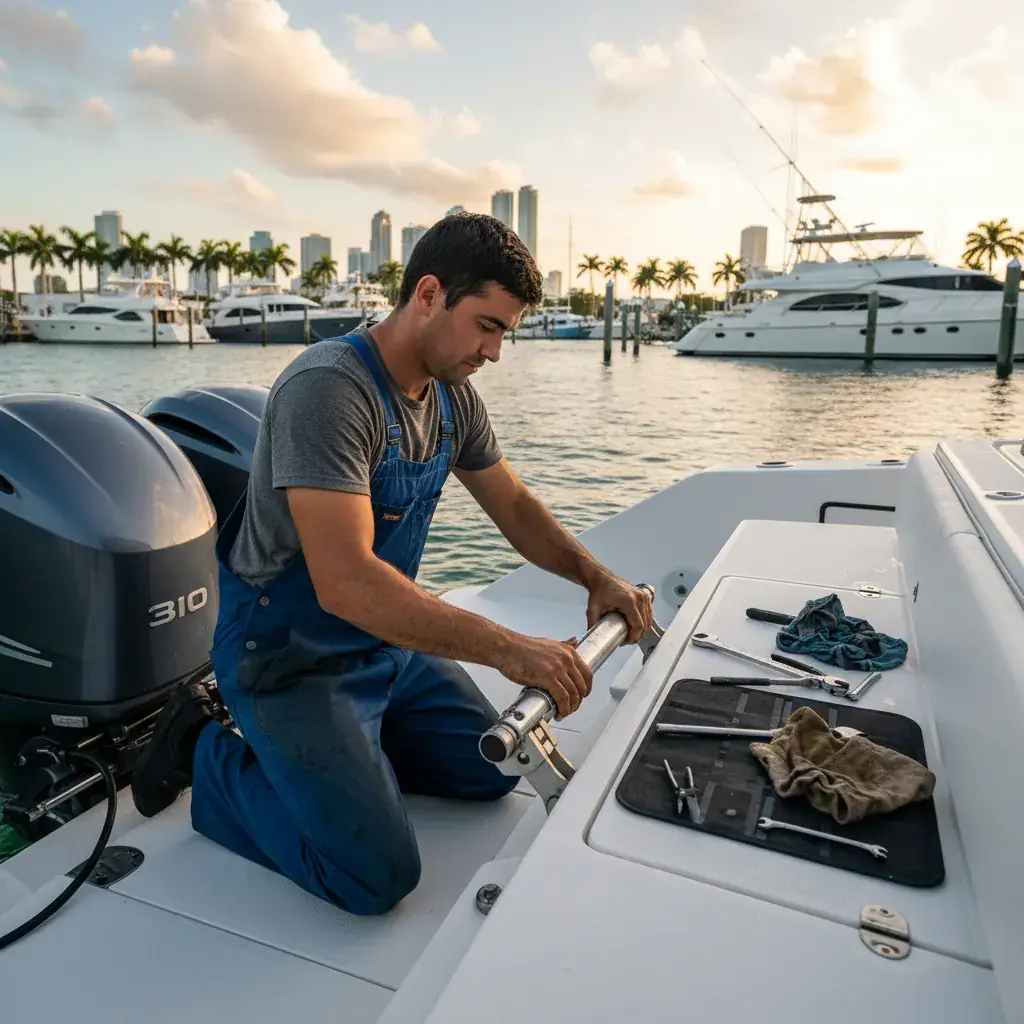
Boat Steering Repair
Hydraulic and cable steering repair, helm pump replacement, and throttle controls. SeaStar, BayStar, and Uflex certified.
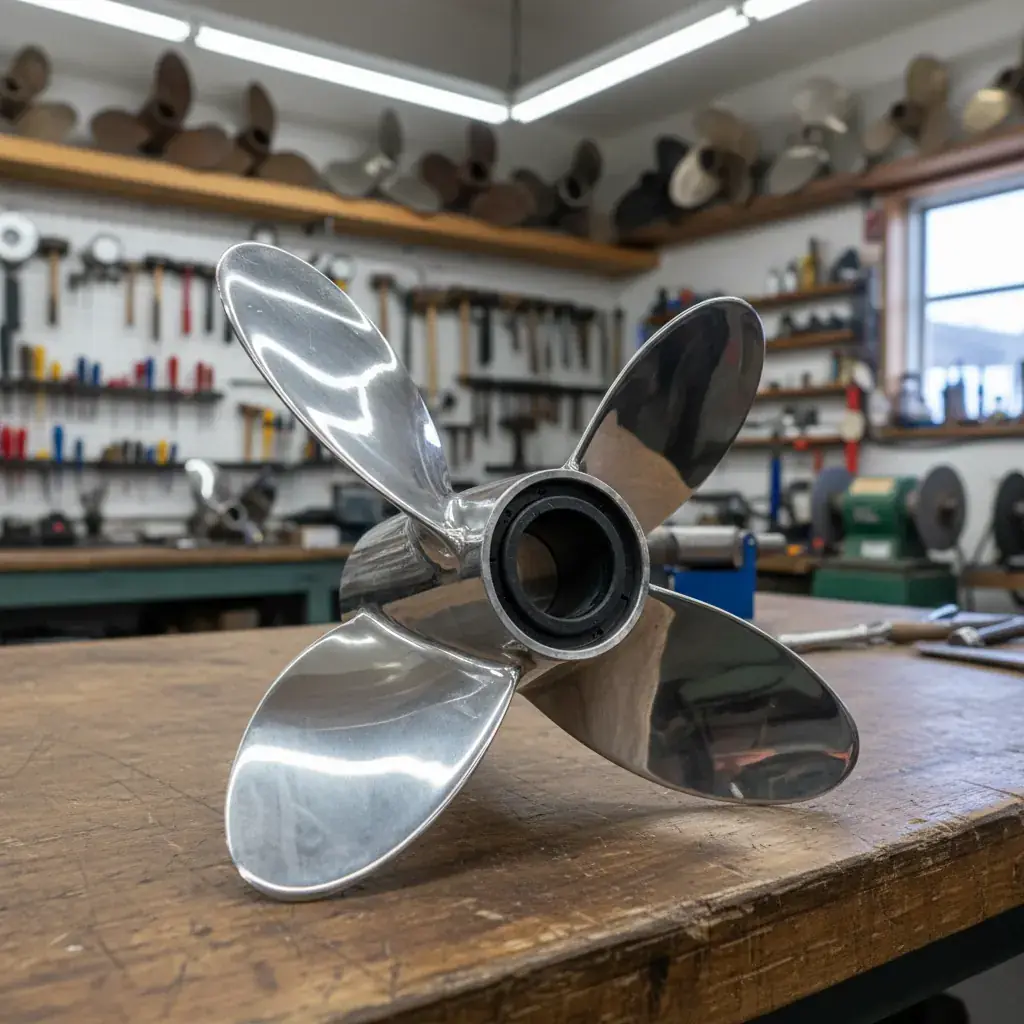
Propeller Repair
Prop reconditioning, balancing, pitch correction, and damage repair. Stainless and aluminum props restored to factory spec.
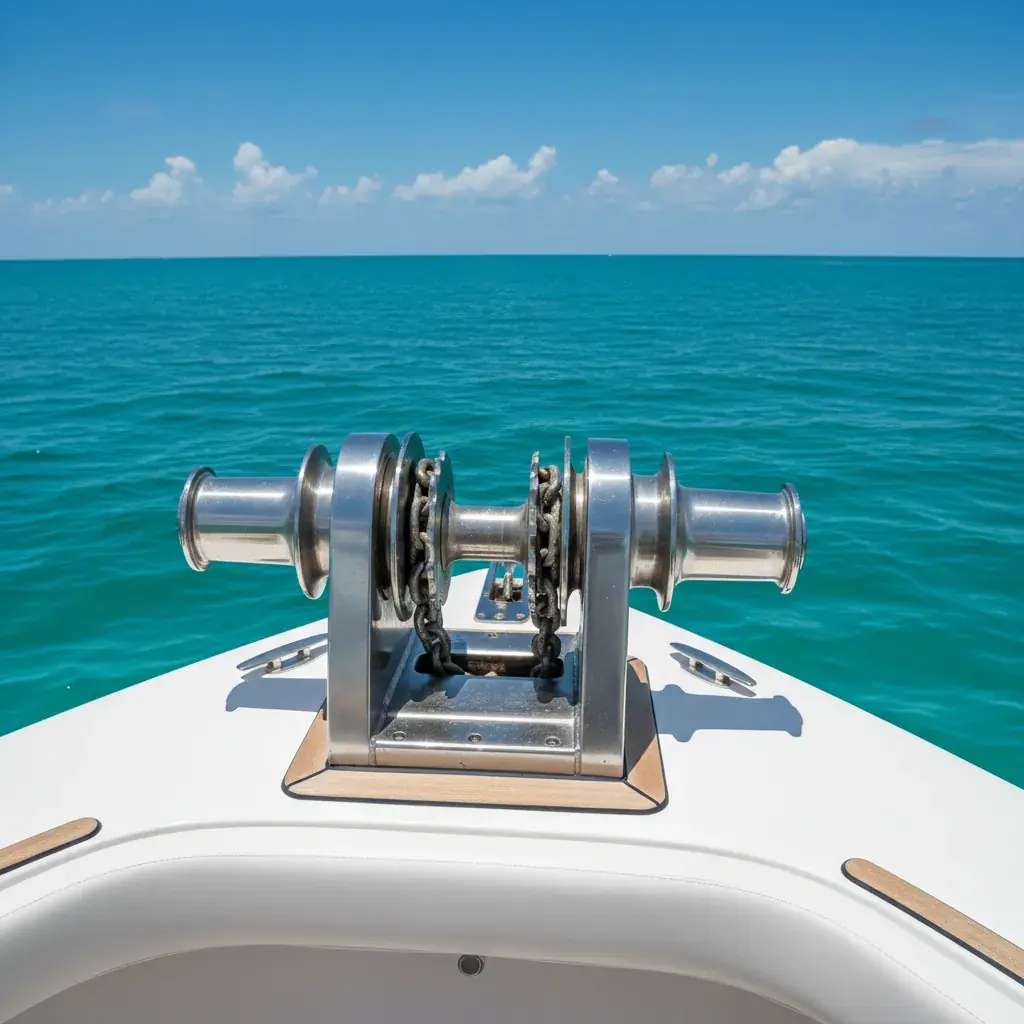
Windlass Installation
Anchor windlass install, rope/chain rode, remote switches, and rebuild service. Lewmar, Maxwell, Lofrans, and Quick systems.
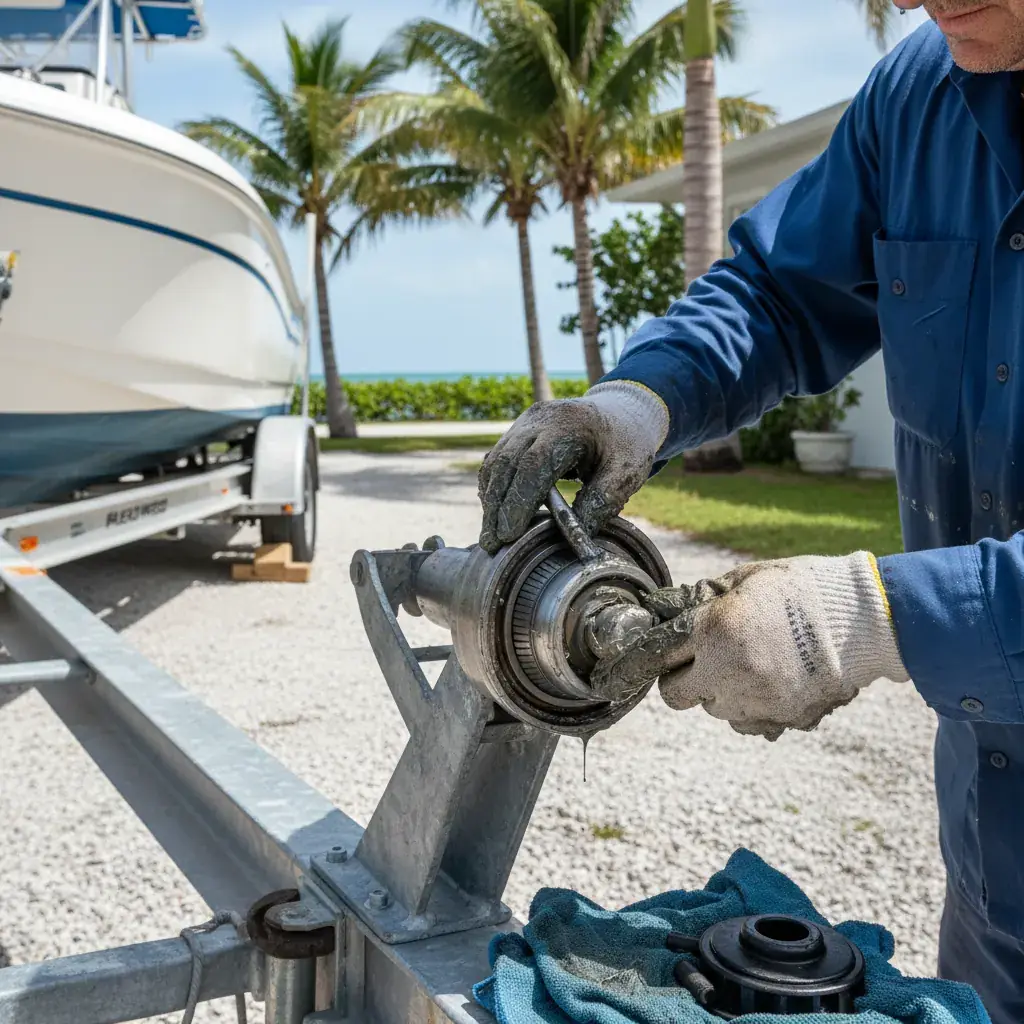
Boat Trailer Repair
Wheel bearings, surge brakes, lights, axles, and winches. Saltwater-ready boat trailer service to keep you legal on the road.
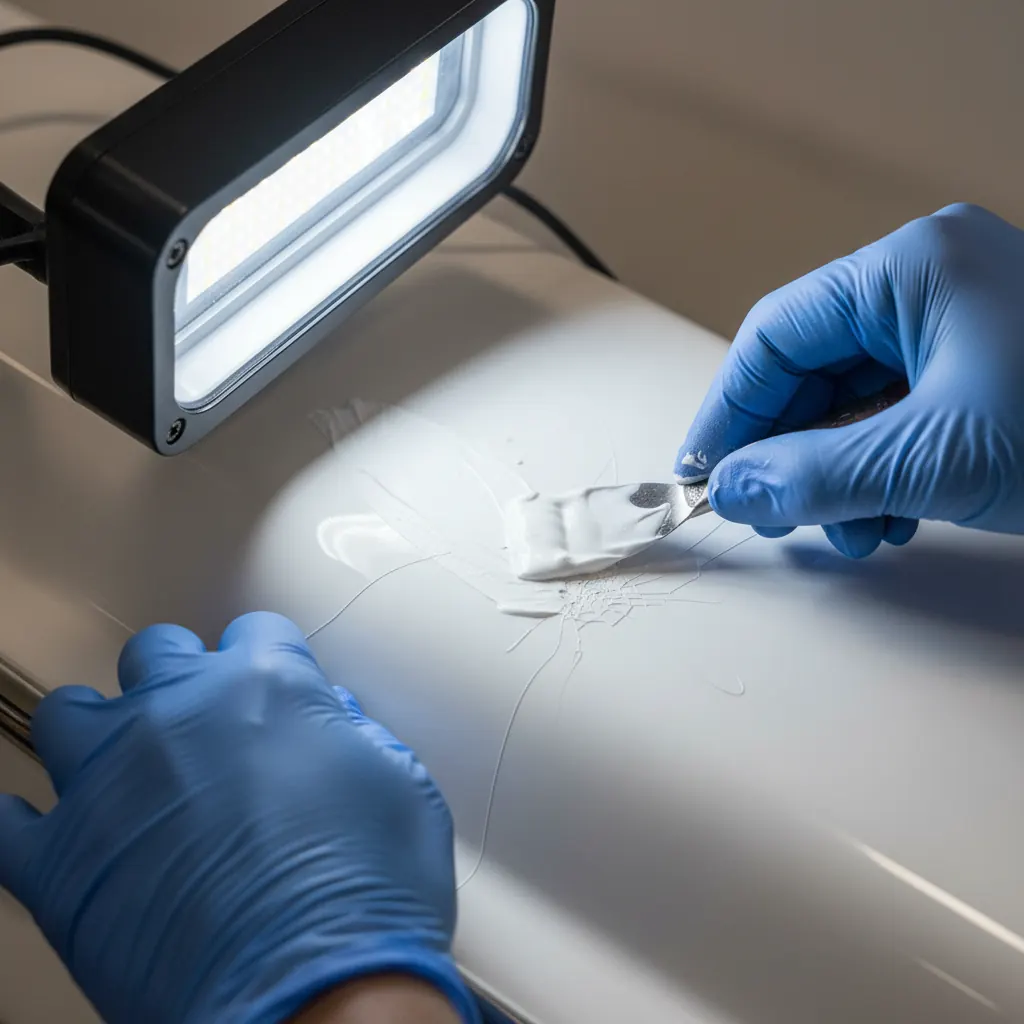
Gelcoat Repair
Spider crack repair, color-matched gelcoat, dock rash restoration, and blister repair. Restore the factory finish on your hull.
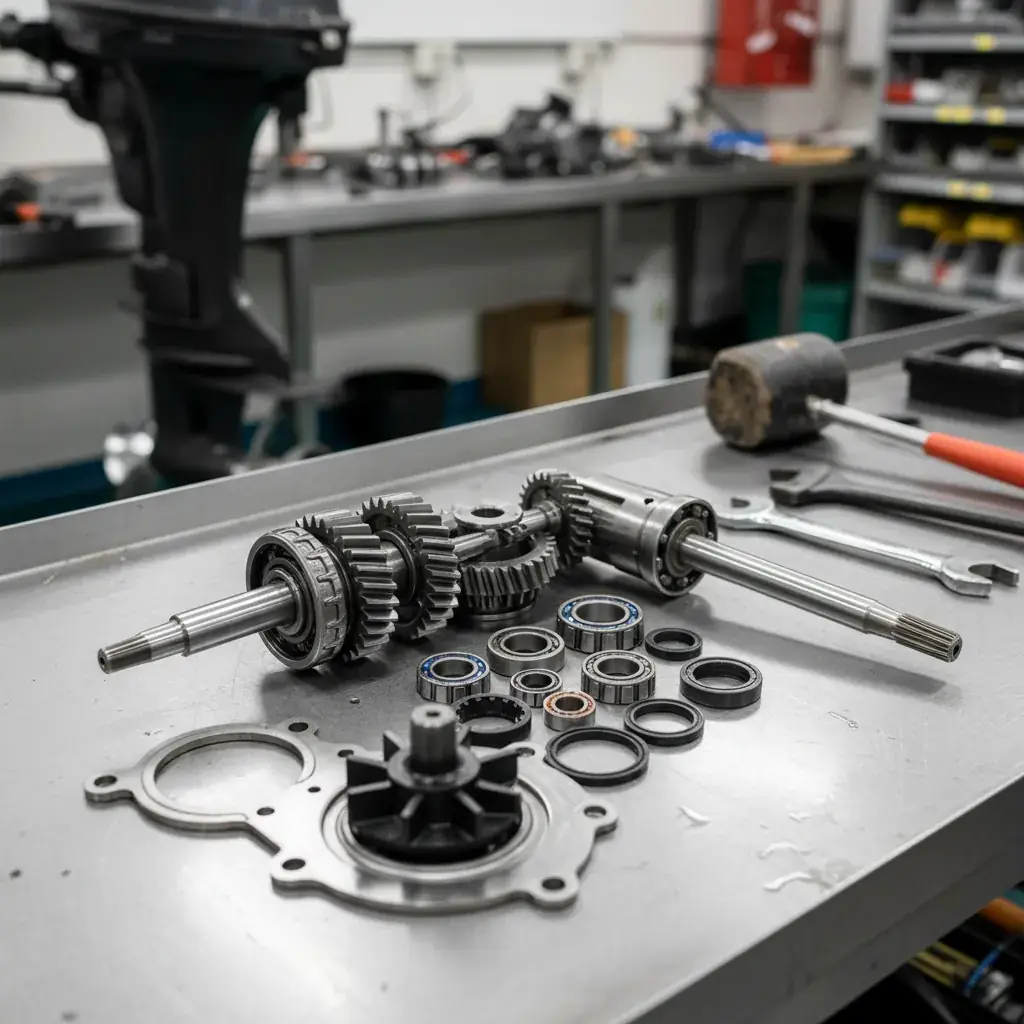
Lower Unit & Gearcase
Gearcase rebuild, seal replacement, water pump service, and gear oil changes. Fix milky oil before it destroys your lower unit.
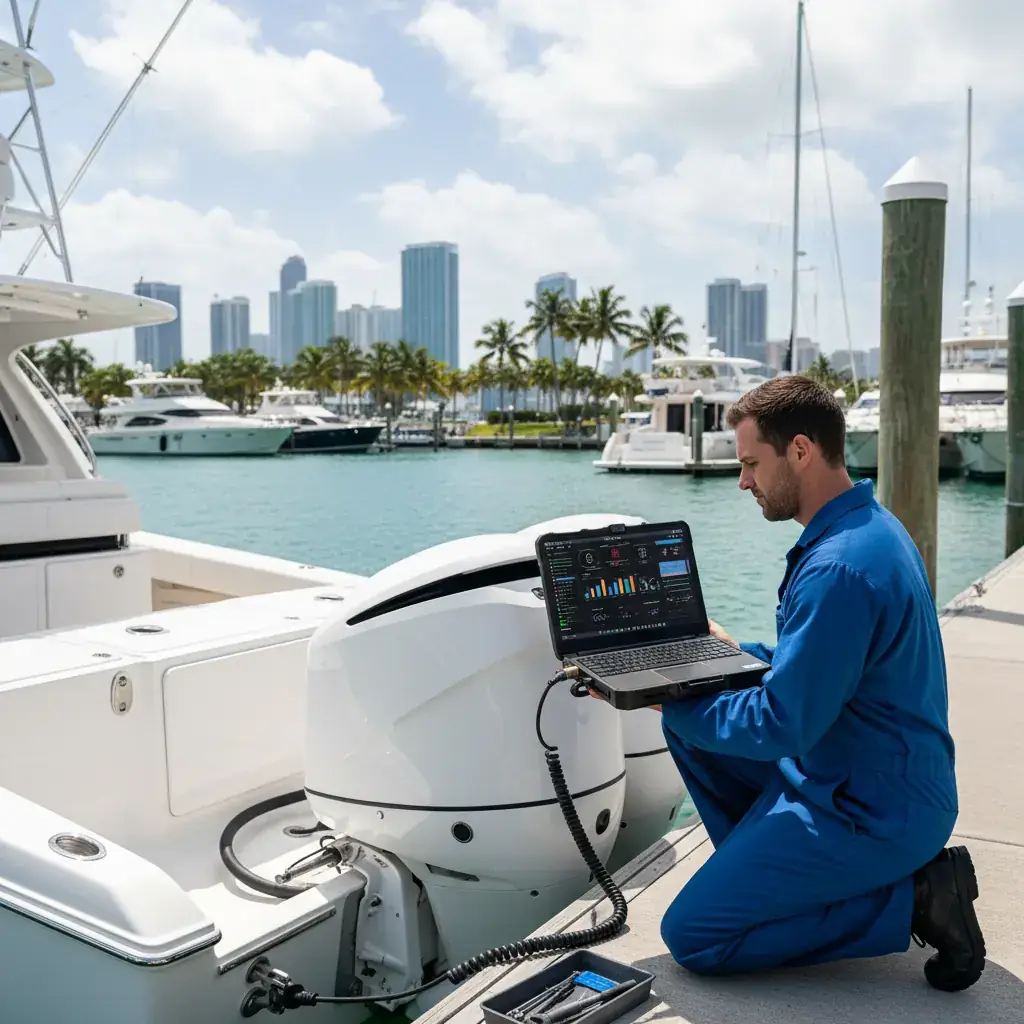
OEM Diagnostics & Alarm Codes
Factory-level engine diagnostics with YDIS, CDS G3, SDS, and HDS. Read, clear, and fix alarm codes other shops cannot.
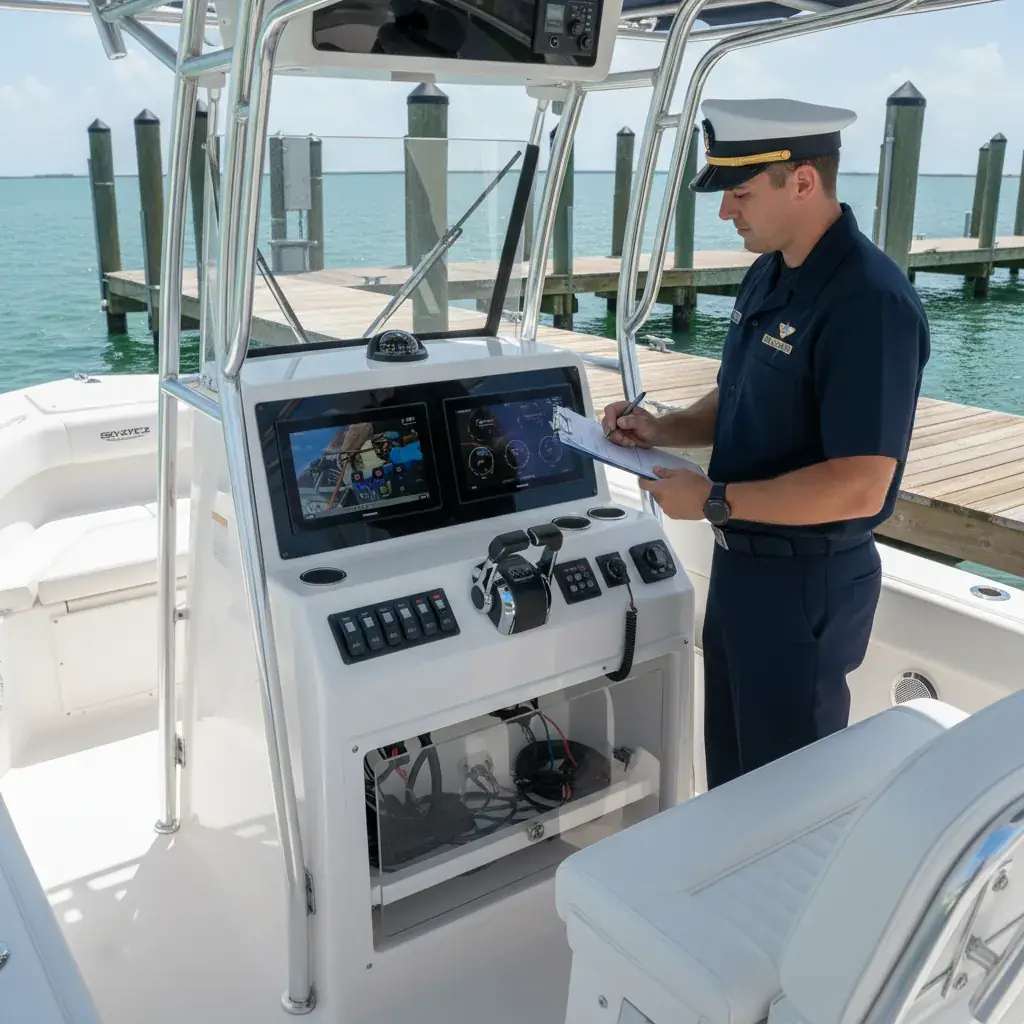
Pre-Delivery Inspection
Independent PDI for new boat buyers. Catch dealer-prep issues, missing options, and warranty items before you sign.
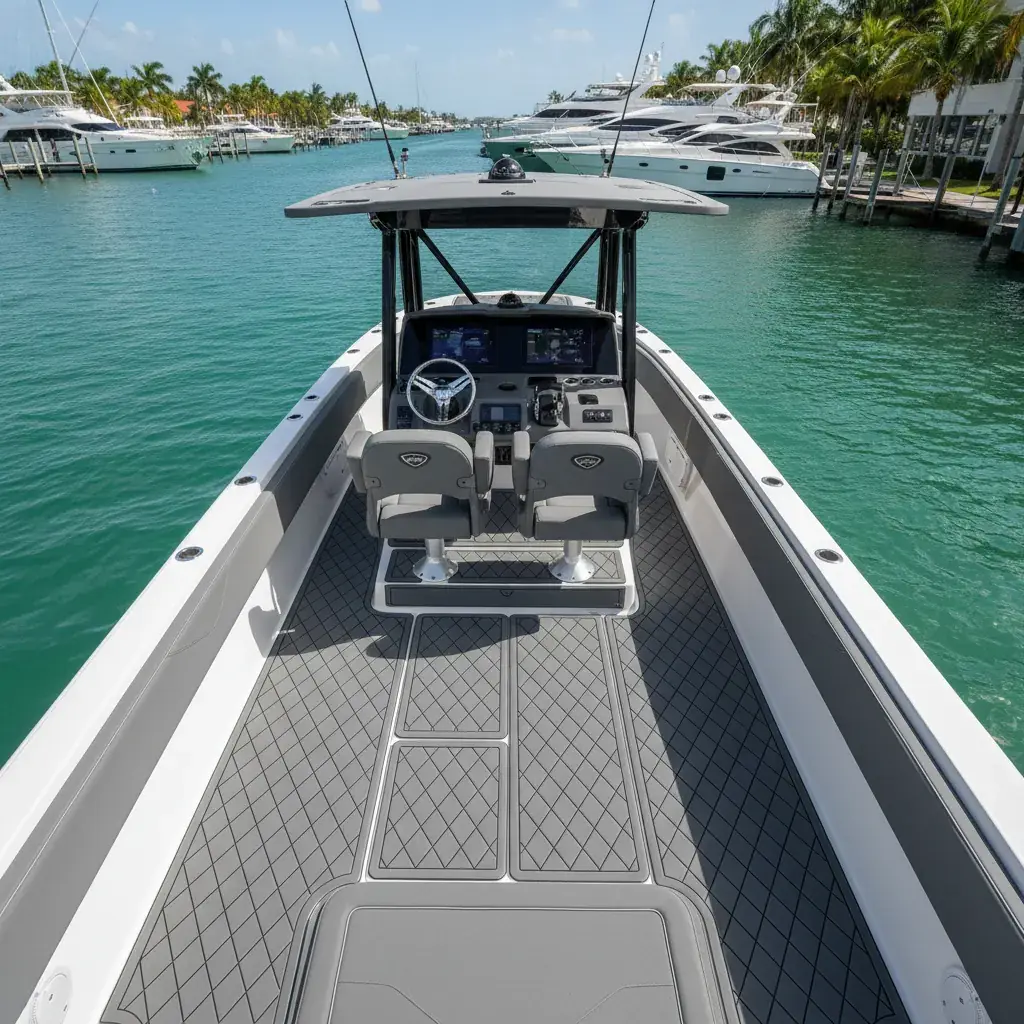
SeaDek / EVA Flooring
Custom SeaDek install, CNC-cut patterns, EVA foam flooring, and logo inlays. Quieter decks that stay cool in Miami sun.
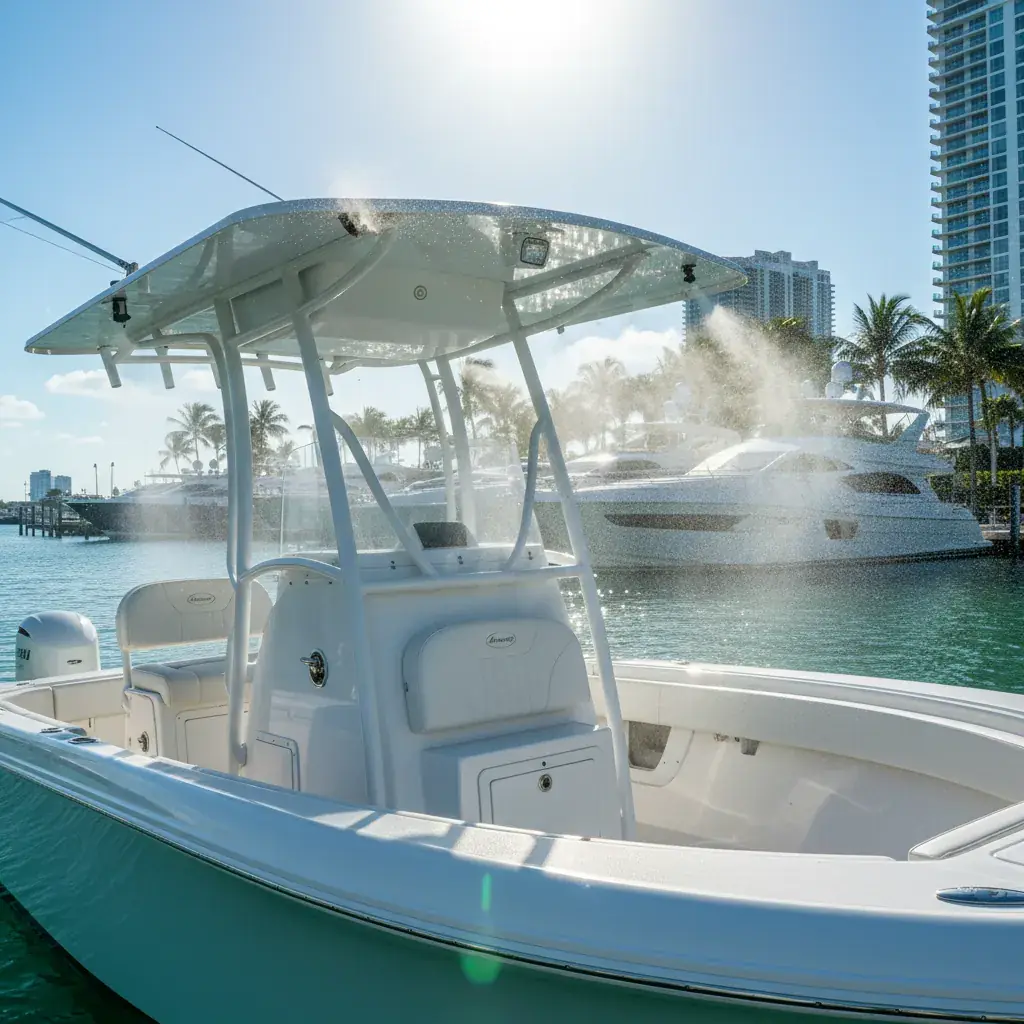
Misting System Installation
Dock, T-top, and flybridge misting systems that drop cockpit temps 15-20°F. Beat Miami summer heat on the water.
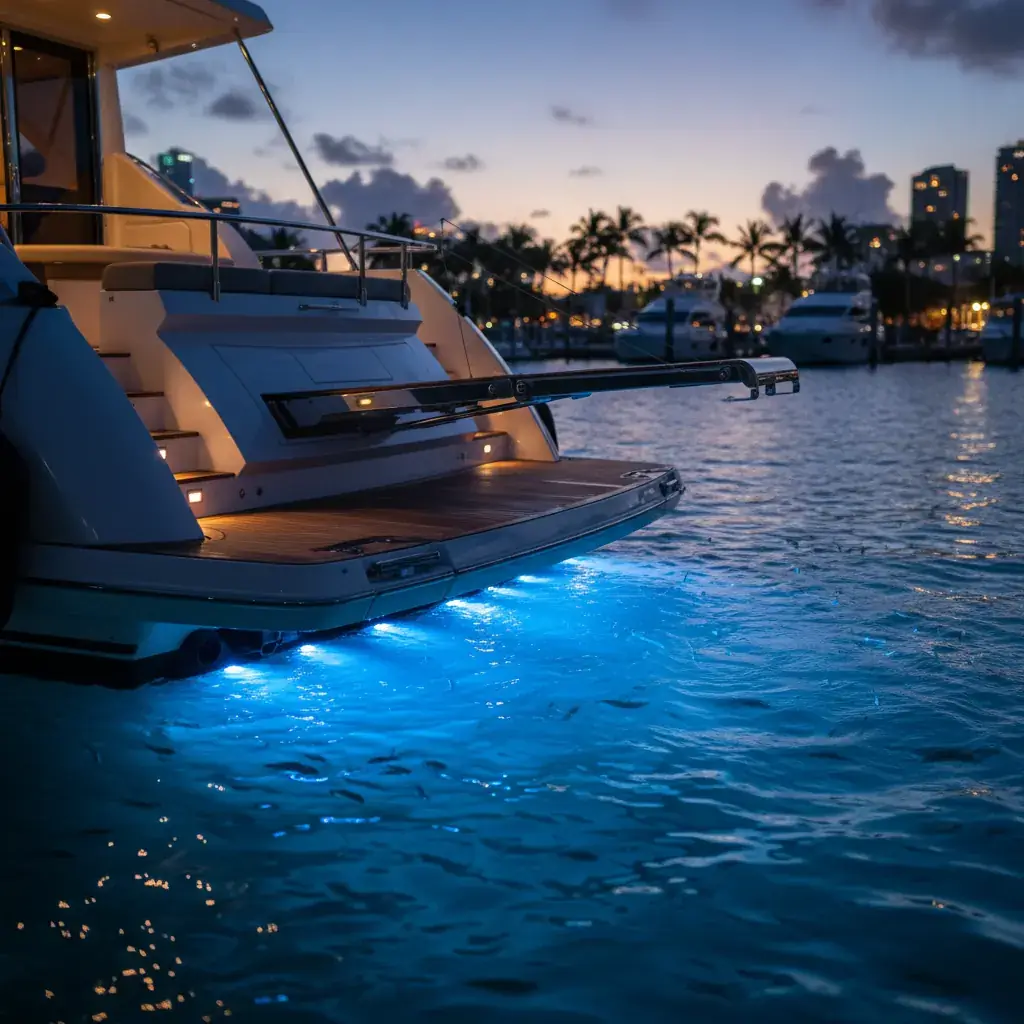
Marine LED Lighting
Underwater transom lights, deck LEDs, courtesy strips, and nav lighting. Shadow-Caster, Lumitec, and Lumishore installers.
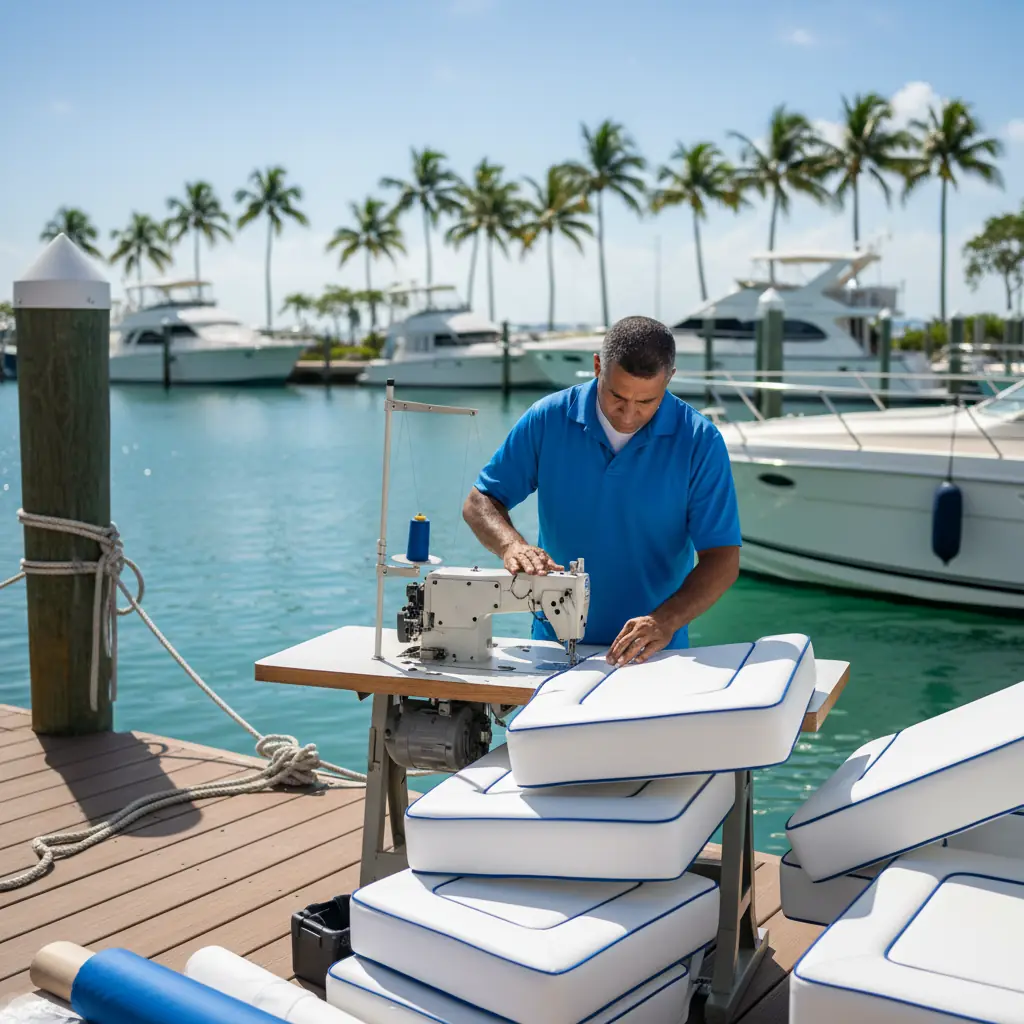
Marine Upholstery
Boat seat repair, yacht cushion replacement, vinyl restoration, and canvas work. Mobile service across South Florida.
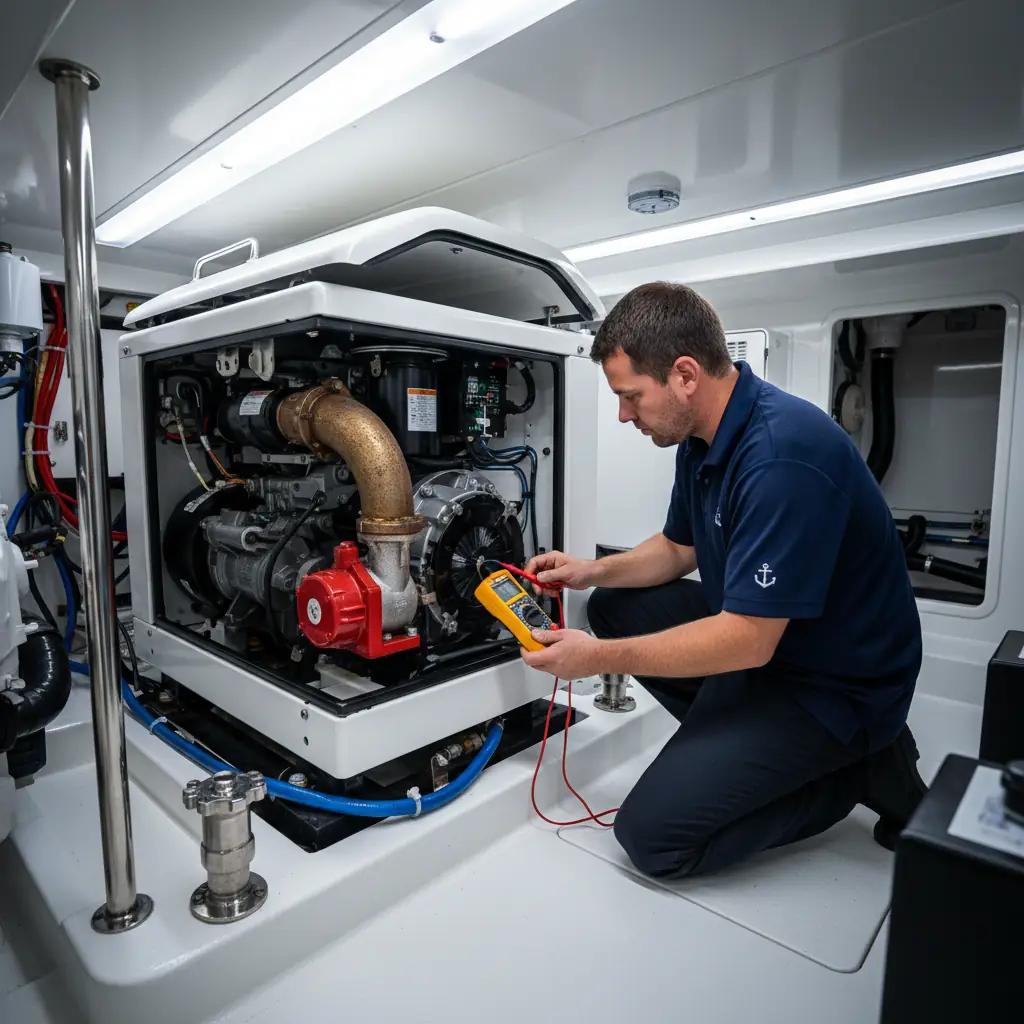
Marine Generator Repair
Miami marine generator repair for Onan, Kohler, Northern Lights, and more. Mobile service at your dock.
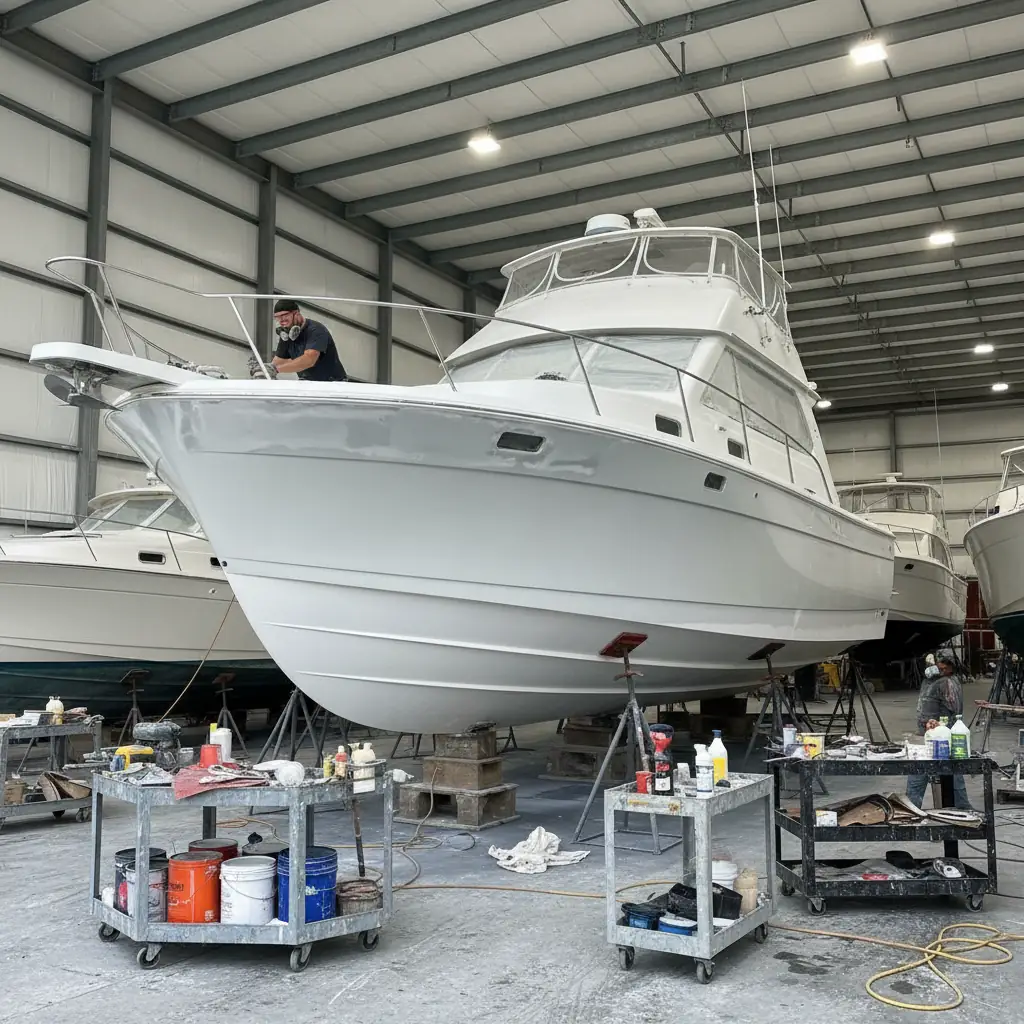
Boat Restoration
Miami boat restoration: hull rebuilds, refits, classic yacht work, fiberglass, paint, electrical, upholstery. Written scope on every project.
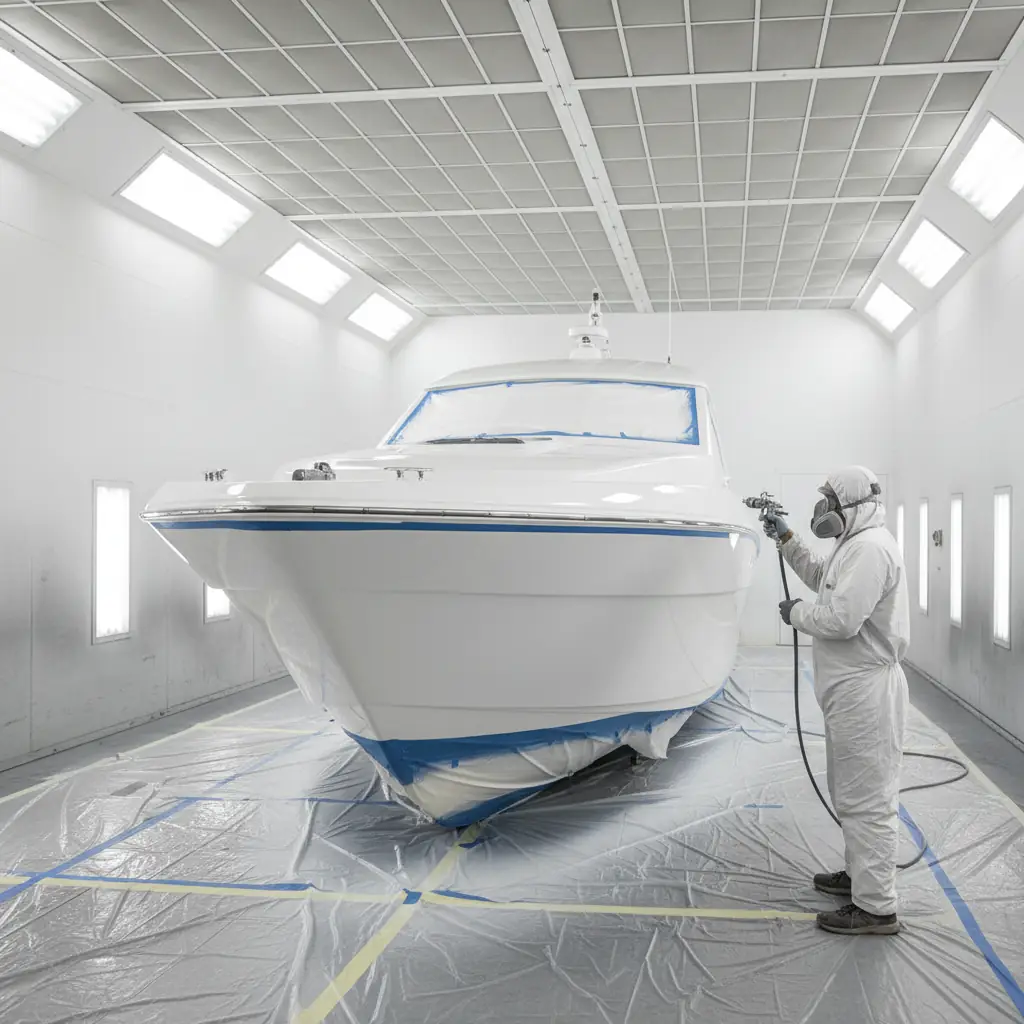
Yacht Topside Painting
Awlgrip and Awlcraft 2000 topside paint for Miami yachts. Full repaints, spot refinishes, and color changes done right.
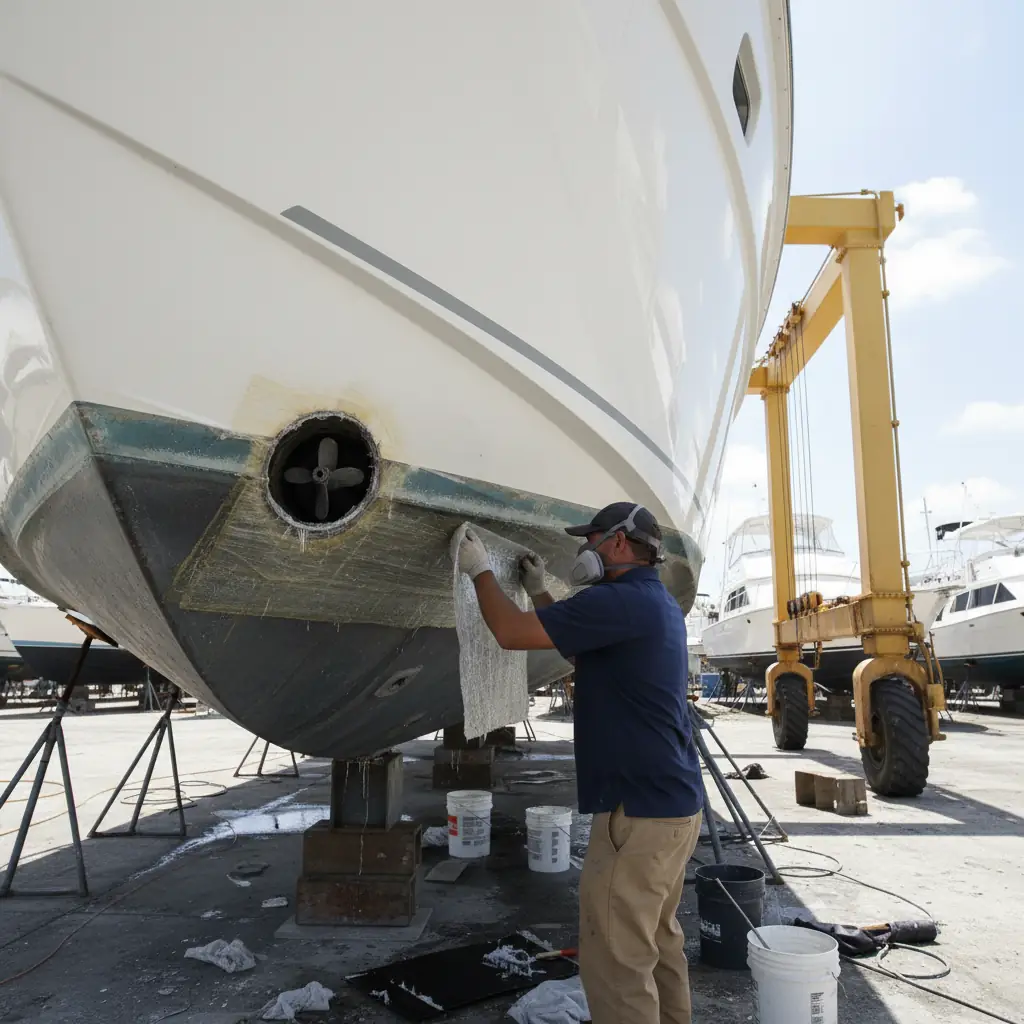
Bow Thruster Installation
Bow and stern thruster installation in Miami. Side-Power, Vetus, Lewmar. Tunnel and retractable mount. Joystick docking integration.
Need 300-Hour Service in Miami?
Our certified marine mechanics are ready to help. Call us today for fast, reliable service anywhere in the Miami area.