Bow & Stern Thruster Installation in Miami
Side-Power, Vetus, Lewmar, Maxpower, and Quick thrusters installed by certified marine technicians. Tunnel, retractable, and external mount. Joystick docking integration.
Miami Bow Thruster Specialists
Maneuvering a single-engine cruiser or high-windage motoryacht into a tight Miami marina slip takes more than experience. It takes lateral control at low speed. A properly installed bow or stern thruster changes the geometry entirely, letting you push the bow or stern sideways on demand regardless of wind or current. Our marine electrical service team handles the full scope: hull modification, tunnel installation, high-amperage wiring, helm controls, and joystick integration. We install Side-Power, Vetus, Lewmar, Maxpower, and Quick thrusters on fiberglass and composite hulls throughout the Miami area. Whether you're retrofitting a 35-foot trawler or commissioning a new motoryacht, we'll survey the boat and recommend the right system before a single cut is made.
When You Actually Need a Bow Thruster
Not every boat needs a thruster, but a specific set of conditions makes one almost essential. Boats 30 feet and over, especially those kept at a marina slip rather than a mooring, deal with cross-wind docking on nearly every return. Single-engine boats have no differential thrust to push the bow sideways, so any beam wind turns a routine docking into a high-stakes maneuver. High-freeboard vessels including trawlers, flybridge cruisers, and large motoryachts act like sails at low speed. Bimini tops, tall cabins, and radar arches catch wind that the hull and rudder cannot overcome at idle RPM.
If you consistently find yourself calling for dock help, making multiple approaches, or relying on spring lines to drag the boat into position, a bow thruster will solve the problem directly. Many owners say the thruster pays for itself in reduced dock damage and reduced stress in the first season. For boats where a marine inspection has already identified hull condition as good, a thruster retrofit is one of the highest-value upgrades available.
Brands We Install in Miami
We stock and install the leading thruster brands used on pleasure vessels in the 25-to-80-foot range. Each brand has a different strength profile, and brand choice often depends on the boat's build origin, existing electrical architecture, and whether a joystick system is planned.
Side-Power (Sleipner)
Sleipner / Side-Power is the global volume leader in tunnel thrusters. Their DC electric line covers boats from 25 feet to large motoryachts, and their hydraulic line handles commercial and yacht-class applications with indefinite run times. Side-Power's SE and SX series are the most-requested thrusters we install. The brand also offers complete joystick docking integration with bow and stern units controlled from a single panel or a dedicated joystick handle at the helm.
Vetus
Vetus is a Dutch marine systems brand with a strong following on European-built motoryachts and trawlers. Their BOW series tunnel thrusters are known for straightforward installation geometry and high build quality. Many Beneteau, Prestige, and Greenline owners arrive with Vetus already specified from the factory or from a previous European survey. We install and service the full Vetus BOW range and carry Vetus tunnel tube kits for fiberglass hull modifications.
Lewmar
Lewmar is a UK-based deck hardware and thruster manufacturer with a strong DC tunnel thruster line in the 55 to 250 kgf thrust range. Lewmar thrusters are popular on American-built cruisers and sport yachts where the brand's anchor windlass and deck hardware are already installed. Pairing a Lewmar thruster with a boat windlass installation on the same refit is a common and cost-effective approach.
Maxpower
Maxpower is a French brand specializing in retractable thrusters, which deploy from a flush hull fitting when needed and retract completely when underway. This design eliminates tunnel drag at cruising speed and makes Maxpower a preferred choice on planing motoryachts where speed performance matters. The CT and RT series cover most cruiser and yacht applications.
Quick
Quick is an Italian thruster brand popular in the retrofit market. Their tunnel thrusters are well-regarded for reliability and are often found on Italian-built motoryachts and sailboats. Quick's BT and BTQ series are compact enough to fit hulls where a larger tunnel would compromise structural members.
Tunnel vs Retractable vs External Mount
Mount type is the most consequential decision in thruster selection. Each option involves different hull work, cost, and performance trade-offs.
Tunnel Mount
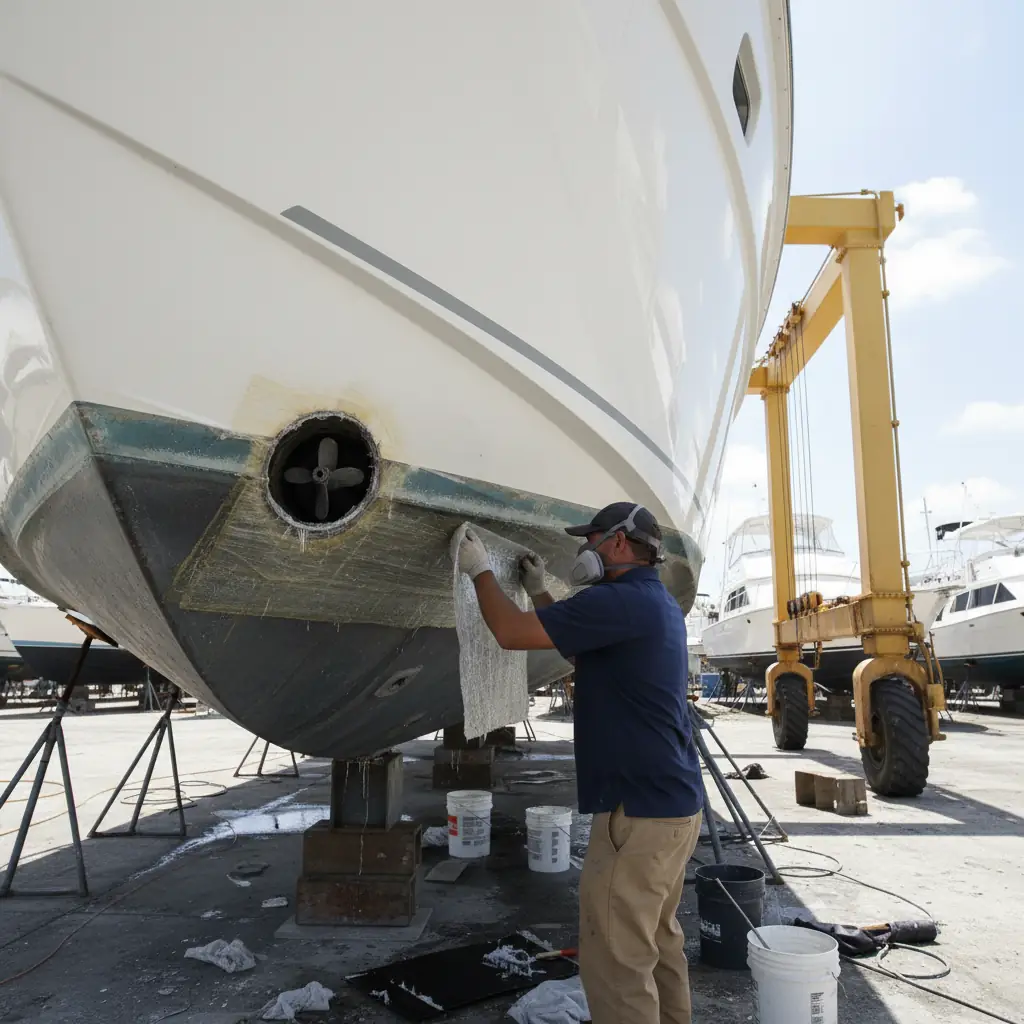
A tunnel thruster is installed inside a composite or fiberglass tube that passes through the hull below the waterline, typically at the bow. The thruster motor and propeller unit mounts inside the tunnel and pushes water port or starboard on command. Tunnel thrusters are the most common type because they offer the best thrust-to-cost ratio and work reliably on most displacement and semi-displacement hulls. Installation requires a haul-out and hull penetration, so proper fiberglass repair and tunnel bonding are critical to watertight integrity. Tunnel drag at cruising speed is a consideration on faster planing hulls.
Retractable Mount
Retractable thrusters (Maxpower RT series, Side-Power Sleipner SR series) deploy downward from a flush hull recess when the system is activated and retract flush when not in use. There is no open tunnel and therefore no drag at speed. The trade-off is higher cost and more complex installation geometry. Retractable thrusters are the right choice for planing motoryachts where tunnel drag would meaningfully reduce top speed or fuel economy.
External Mount
External-mount thrusters attach to the transom or bow without requiring a hull penetration. The motor and propeller unit hangs on a bracket outside the hull. This approach is the lowest-cost retrofit option and avoids all hull modification, but thrust efficiency is lower than a tunnel system and the external hardware is exposed to impact and fouling. External mount is most appropriate for temporary setups or boats where hull penetration is not feasible.
DC Electric vs Hydraulic Power
The majority of thrusters installed on recreational vessels under 60 feet are DC electric systems. They draw from a dedicated battery bank (typically two or four AGM or lithium batteries) that is recharged by the engine alternator and shore power charger. DC thrusters are self-contained, require no engine to be running, and are straightforward to integrate with the vessel's existing electrical system. Our team handles all high-amperage cable runs as part of the installation, including busbar sizing, fuse protection, and battery bank commissioning.
Hydraulic thrusters are driven by the engine's hydraulic pump rather than a battery bank. They offer essentially unlimited run time, operating continuously as long as the engine is running, which makes hydraulic systems appropriate for large yachts, commercial vessels, and boats where extended low-speed maneuvering in current is common. Hydraulic systems are more complex to install and require an engine-driven pump, reservoir, and high-pressure plumbing, so they are typically specified on vessels 55 feet and over.
Stern Thrusters and Joystick Docking
A bow thruster gives you lateral control at the bow. A matched stern thruster gives you full lateral control at both ends. Together, you can move the entire boat sideways, crab into a slip, or hold position against a current without touching throttle or rudder. Bow-and-stern thruster combinations are increasingly standard on new motoryachts and are a popular refit upgrade on trawlers and long-range cruisers.
Joystick docking systems integrate the bow thruster, stern thruster, and main engine(s) into a single-handle joystick control at the helm. Mercury Joystick Piloting, Volvo Penta IPS Joystick, and dedicated third-party systems like Yacht Controller all operate on this principle. The joystick translates a single directional input into coordinated commands across all propulsion sources. For boats with compatible engine and drive systems, joystick integration is handled by our marine electronics installation team alongside the thruster install, ensuring that all control systems are calibrated together before the sea trial.
The Installation Process Step by Step
A typical bow thruster installation on a fiberglass cruiser takes five to ten days from haul-out to splash. Here is what that process looks like.
Haul-out and survey: The boat is hauled and blocked at our facility or a partner yard. We confirm the hull section geometry at the proposed tunnel location, verify there are no structural members, tanks, or through-hulls that conflict, and mark the cut layout.
Hull modification: We cut the tunnel opening, fabricate or fit the composite tunnel tube to the hull section, and laminate the tunnel into the hull using fiberglass mat and vinylester resin. This is structural work that must cure fully before the boat is launched. Fairing and barrier coat are applied to the tunnel exterior. For context, this is the same level of hull work involved in a major fiberglass repair.
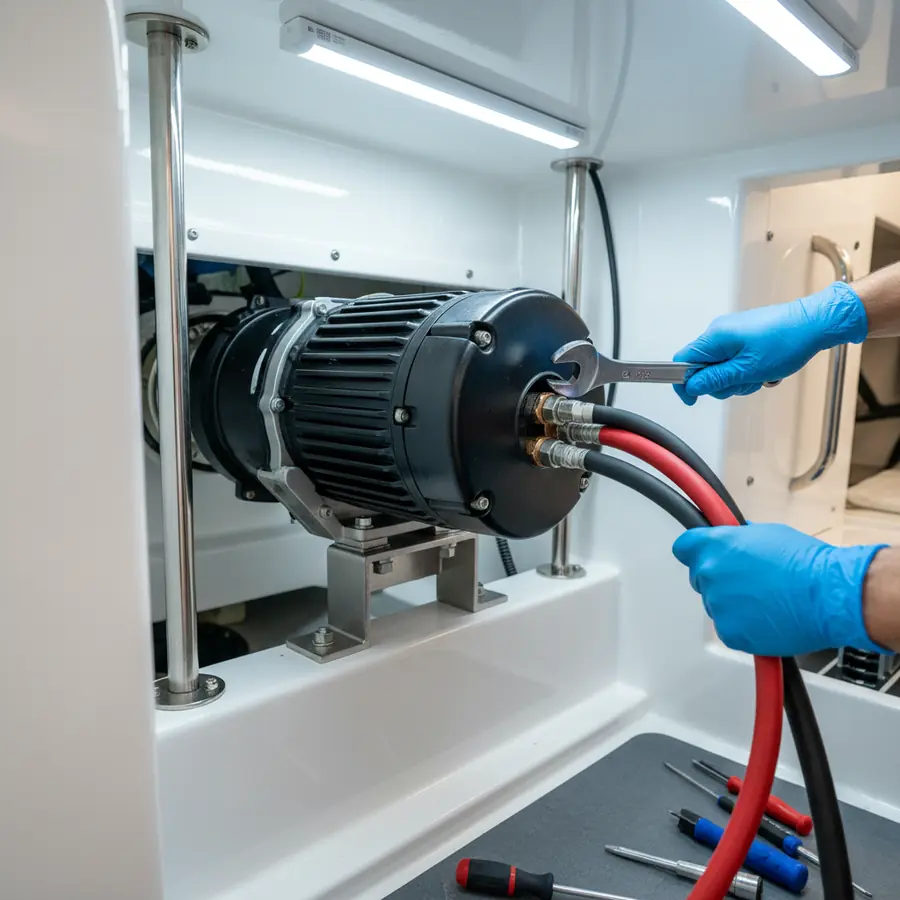
Motor and propeller installation: The thruster motor and propeller unit is mounted inside the tunnel. Shaft seals are inspected and the unit is aligned to spec. Grids or guards are installed at tunnel openings to prevent debris ingestion.
Wiring and battery installation: High-amperage cable runs from the dedicated battery bank to the thruster motor. We size cable for the thruster's peak draw (typically 200 to 600 amps depending on unit size) and install appropriate fuse protection, contactors, and battery management components. Shore power charging integration is confirmed.
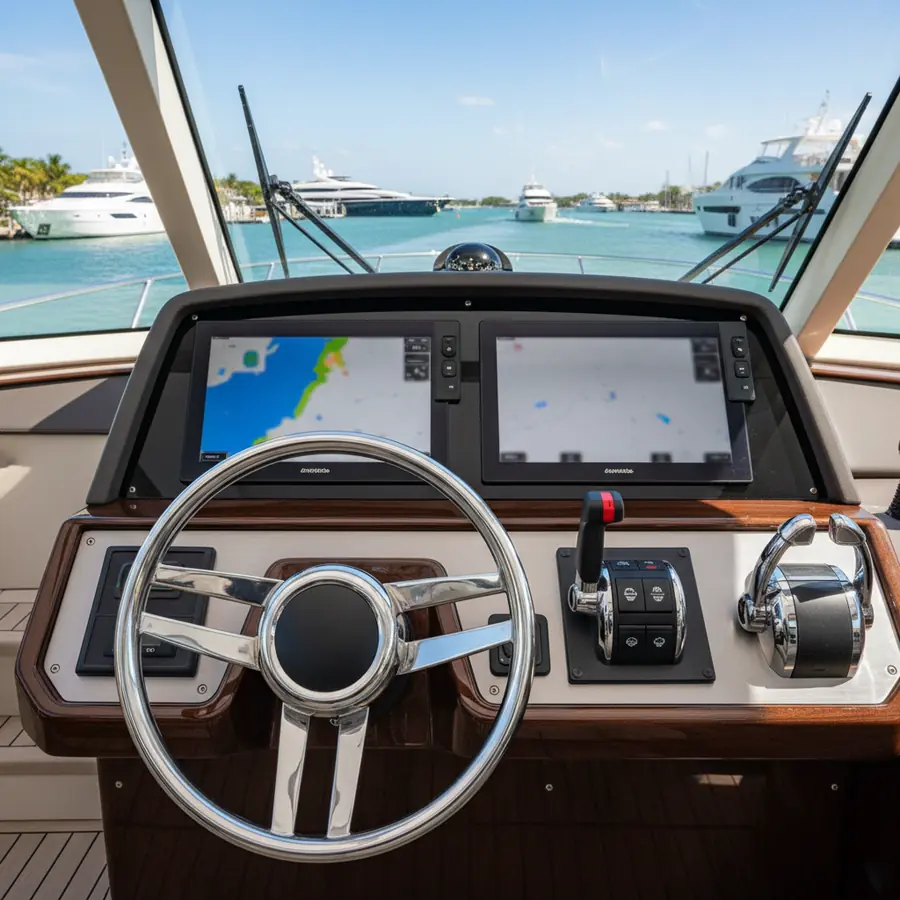
Helm controls: The control panel, joystick, or integrated steering-wheel control is mounted at the helm station. If a joystick docking system is specified, engine and drive integration is completed at this stage. Control wiring is run and terminated.
Sea trial and thrust test: The boat is launched and the thruster is tested at the dock and underway. Thrust output, control response, battery voltage under load, and motor temperature are verified. Any adjustment to control settings or charging parameters is made before delivery. We also coordinate with your boat steering repair technician if helm integration surfaces any steering system issues during the trial.
Thruster Service and Repair
DC thrusters have motor brushes that wear through normal use. On a heavily used boat, brushes may need replacement every 50 to 100 operating hours. Worn brushes cause reduced thrust, motor hesitation, or complete failure to engage. Brush replacement is a routine service item that should be on the annual maintenance checklist.
Gearbox seals are the second most common service item. Saltwater intrusion past a degraded seal causes corrosion of internal gears and bearings. Early signs are oil weeping from the lower gearbox or a grinding sound under load. Seal replacement is far less expensive than gearbox rebuild, so catching it early matters. Our mobile marine mechanics can inspect an accessible thruster unit at the dock without a haul-out.
Propeller damage from debris, fishing line, or dock lines is common on working boats. A bent or chipped propeller blade reduces thrust and adds vibration to the tunnel. Propeller replacement or reconditioning is straightforward once the unit is accessible.
Tunnel antifouling is often overlooked. The inside of a thruster tunnel is below the waterline and sees standing water when the boat is at rest, creating ideal conditions for barnacle and slime growth. Heavy growth reduces thruster efficiency significantly. Tunnel interior should receive antifouling paint at each haulout. We include tunnel antifouling as part of our standard boat bottom painting service when the vessel is hauled.
Battery bank failure is the most common reason a thruster suddenly stops working on a boat that passed its last survey. AGM batteries degrade over four to six years; lithium batteries last longer but require compatible charger and BMS settings. A thruster that engages but produces weak thrust, or that trips its breaker under load, often has a failing battery bank rather than a bad motor.
For boats undergoing a broader refit that includes thruster installation alongside hull, mechanical, and electrical work, our boat restoration team can coordinate all trades under a single project plan.
Schedule Your Thruster Installation in Miami
We offer a free onboard assessment for thruster installations. We'll survey the hull section, recommend a brand and mount type for your vessel, and provide a written scope with material and labor cost. Most installations are scheduled four to eight weeks out depending on haul-out availability and parts lead time. Request a thruster installation quote or call us directly at (305) 290-2701 to discuss your project.
Know the Signs
Signs You Need a Thruster (Or Thruster Service)
If you notice any of these warning signs, contact our team right away. Early diagnosis saves you time and money on repairs.
Docking is consistently stressful in cross-wind
Single-engine boat with limited maneuverability
High freeboard makes wind a major issue at low speed
Existing thruster won't engage or makes grinding noise
Thruster runs but produces weak thrust
Battery dropping voltage when thruster engages
Visible water in thruster motor compartment
Hull tunnel has heavy marine growth
Our Process
Our Thruster Installation Process
Survey & Layout
We inspect the hull section at the proposed tunnel location, confirm there are no conflicting structure or systems, and produce a written scope with brand recommendation and cost estimate.
Hull Modification
After haul-out, we cut the tunnel opening, laminate the composite tunnel tube into the hull with fiberglass and vinylester resin, and apply fairing and barrier coat to the tunnel exterior.
Motor & Wiring Install
The thruster motor and propeller unit is mounted and aligned. High-amperage cable runs, dedicated battery bank, fuse protection, and helm controls are installed and wired to spec.
Sea Trial & Calibration
After launch, we verify thrust output, battery voltage under load, control response, and motor temperature at the dock and underway before returning the vessel.
Miami Bow Thruster Specialists
Thruster Installation Experience in South Florida's Demanding Marina Environment
Why Choose Us
Why Choose Our Thruster Installation Service
Certified marine technicians with hands-on fiberglass hull modification experience
Full-scope installation: hull work, wiring, battery bank, and helm controls in one contract
All major brands in stock or on short lead time: Side-Power, Vetus, Lewmar, Maxpower, Quick
Joystick docking integration available for compatible engine and drive systems
Free onboard assessment before any commitment
Sea-trial verified: every installation confirmed to spec before delivery
Bow Thruster Installation FAQ
Common questions about bow thruster installation in Miami
More Services
Related Boat Repair Services
Inboard Engine Repair
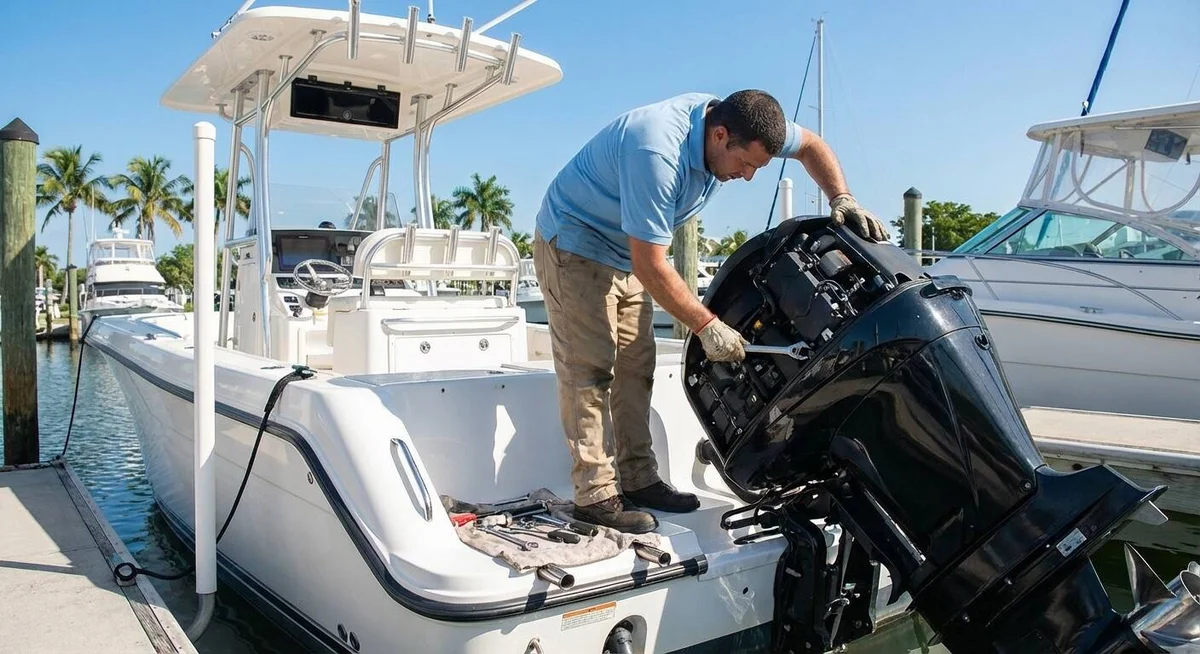
Inboard and marine diesel service for cruisers, sportfishers, and express yachts. MerCruiser, Volvo Penta, Yanmar, and Cummins.
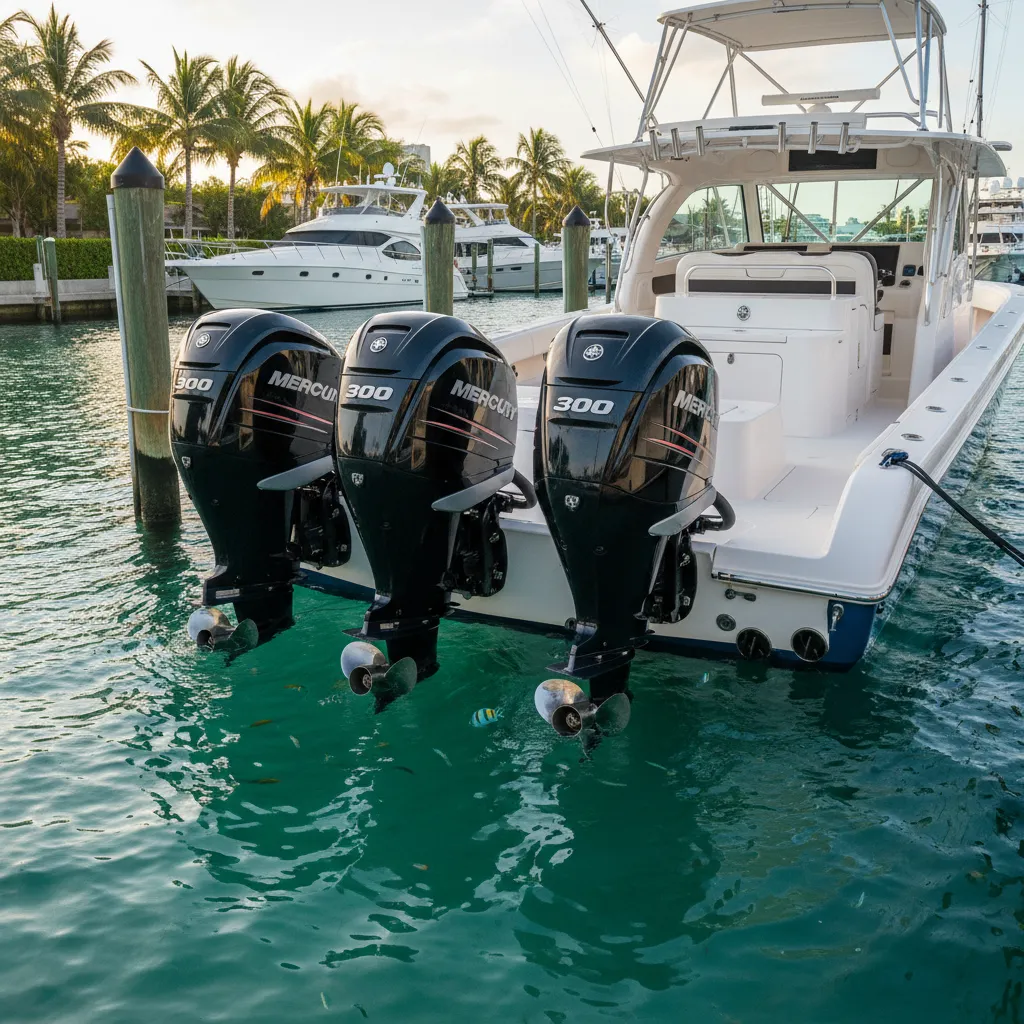
Outboard Engine Repair
Certified Yamaha, Mercury, Suzuki, Honda, and Evinrude outboard service. 2.5hp to 600hp, 4-stroke and 2-stroke at your dock.
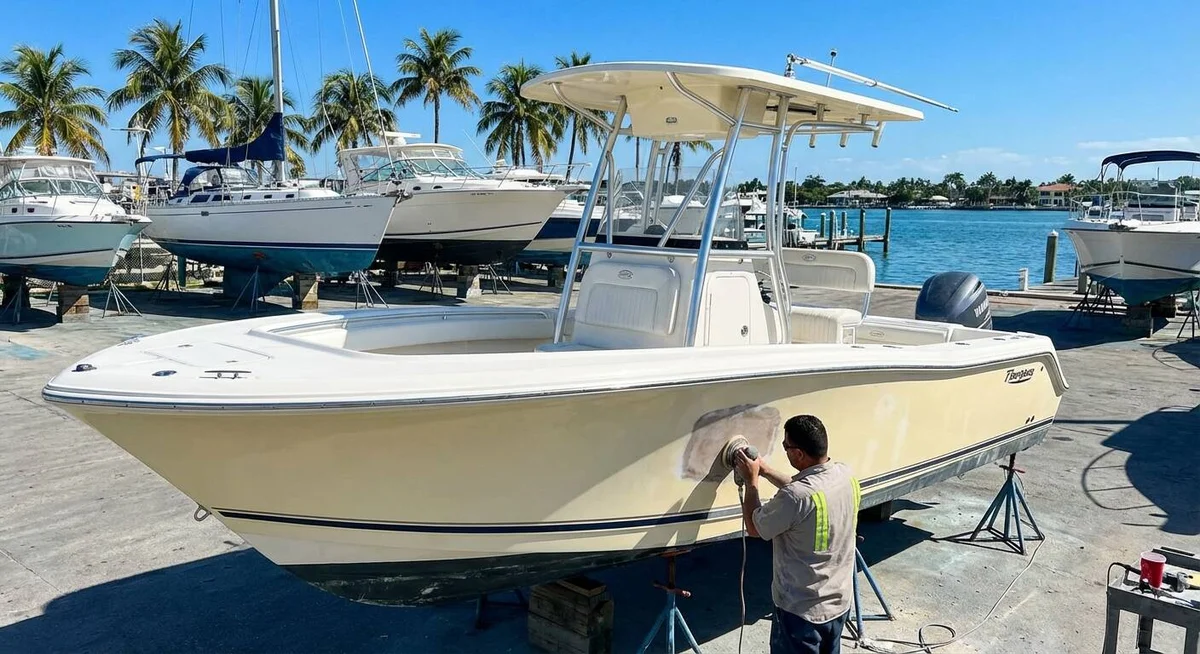
Fiberglass Repair
Hull cracks, structural damage, and stress fractures. Saltwater-grade resin and cloth repairs for Miami boats damaged by impact or wear.
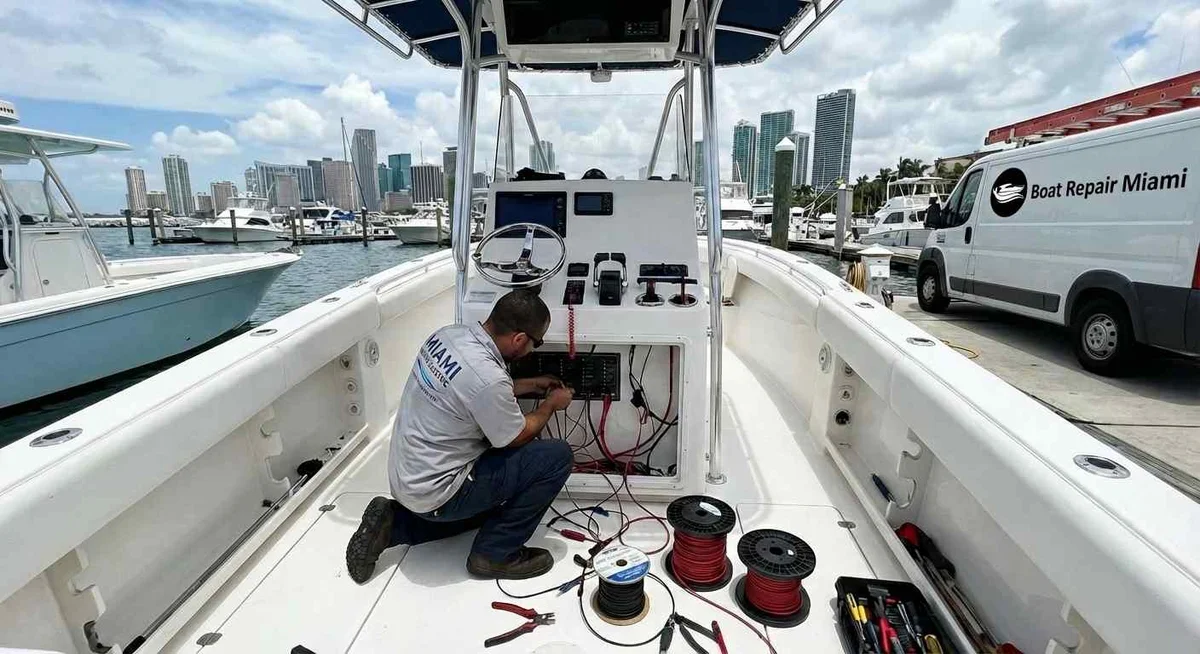
Boat Electrician
Marine electrical troubleshooting, rewiring, battery systems, and navigation wiring. Certified boat electricians servicing your dock.
Boat Cleaning
Mobile wash, wax, and detail service for boats kept in Miami marinas. Salt rinse, compound, and UV protection routines.
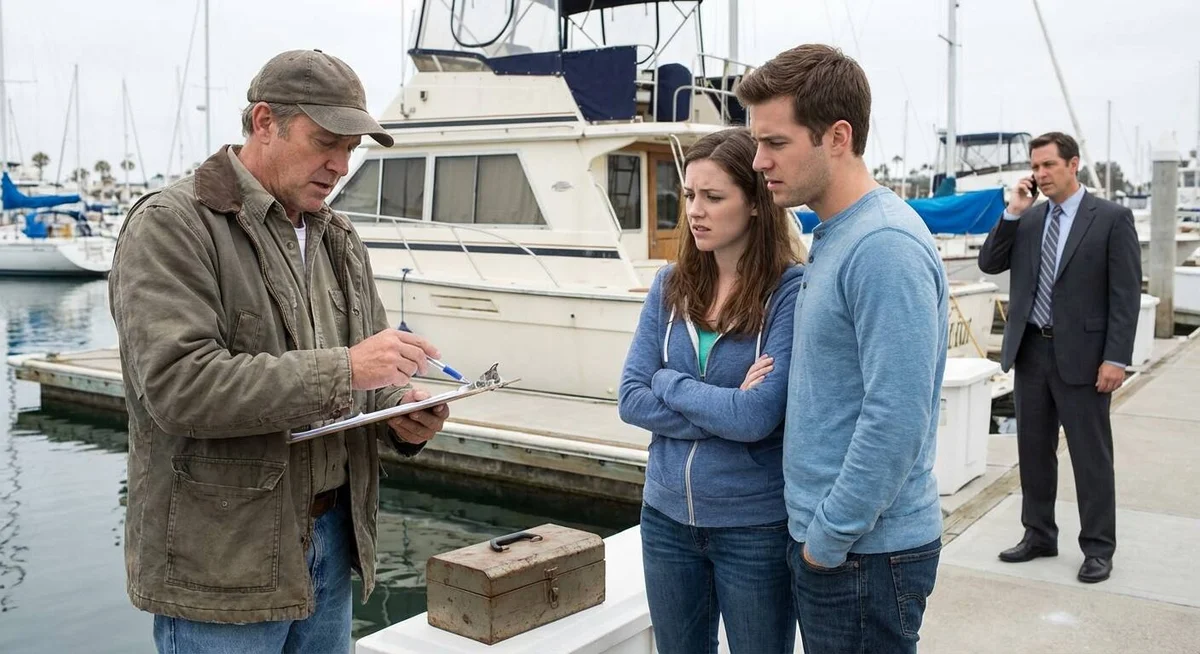
Boat Inspections
Pre-purchase surveys and used-boat inspections across South Florida. Engine, hull, electrical, and mechanical evaluations before you buy.
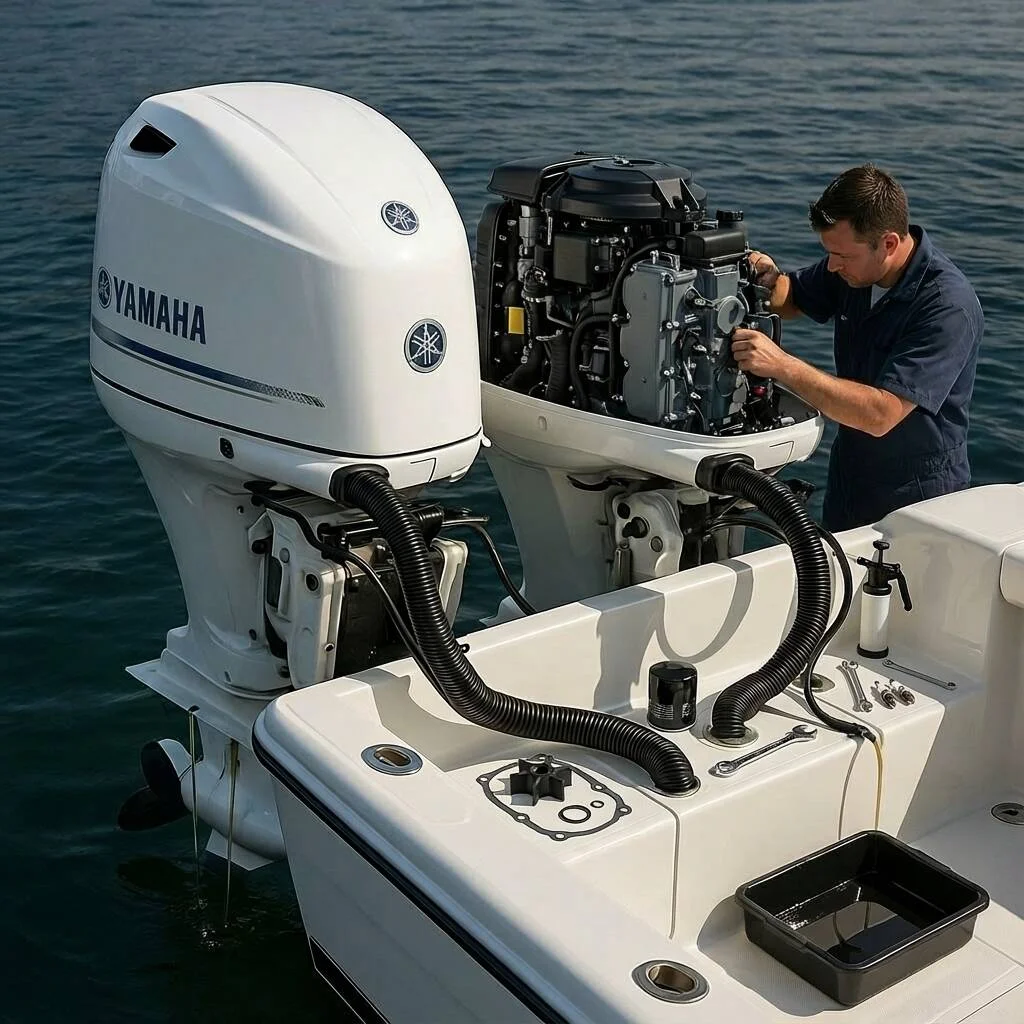
100-Hour Service
Manufacturer-recommended 100-hour maintenance for outboards. Oil, filters, gear lube, spark plugs, anodes, and water pump inspection.
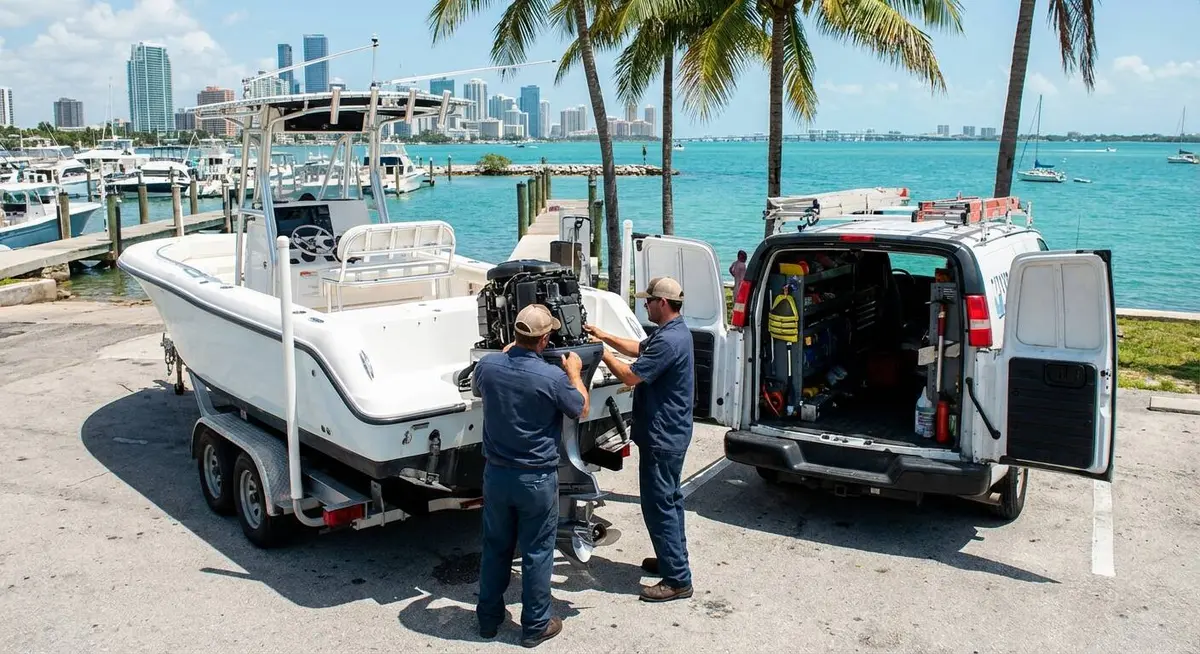
Mobile Marine Mechanics
Factory-certified mechanics come to your dock 24/7 for engine, electrical, and fuel system service. On-site repair across South Florida.
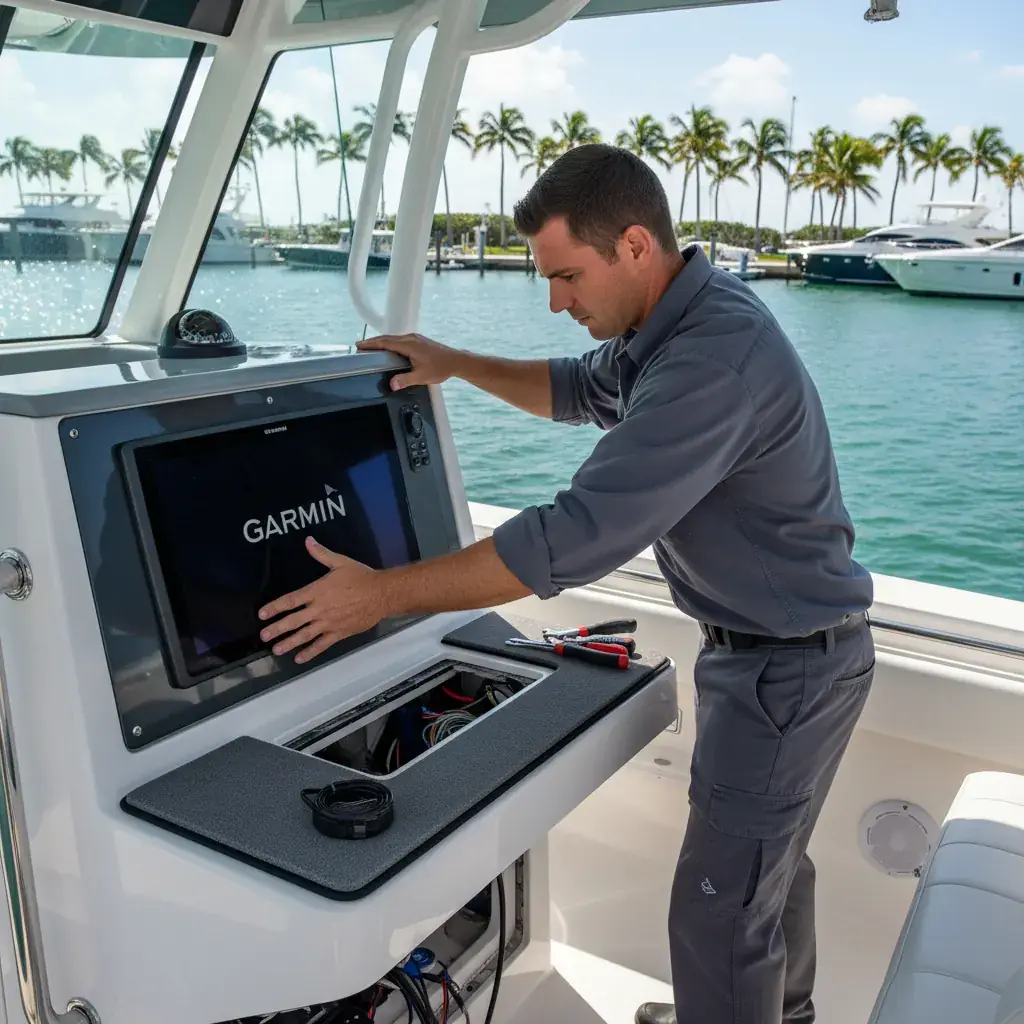
Marine Electronics Installation
Chartplotters, radar, VHF, fishfinders, and NMEA 2000 networks installed. Garmin, Raymarine, Simrad, Lowrance, Humminbird.
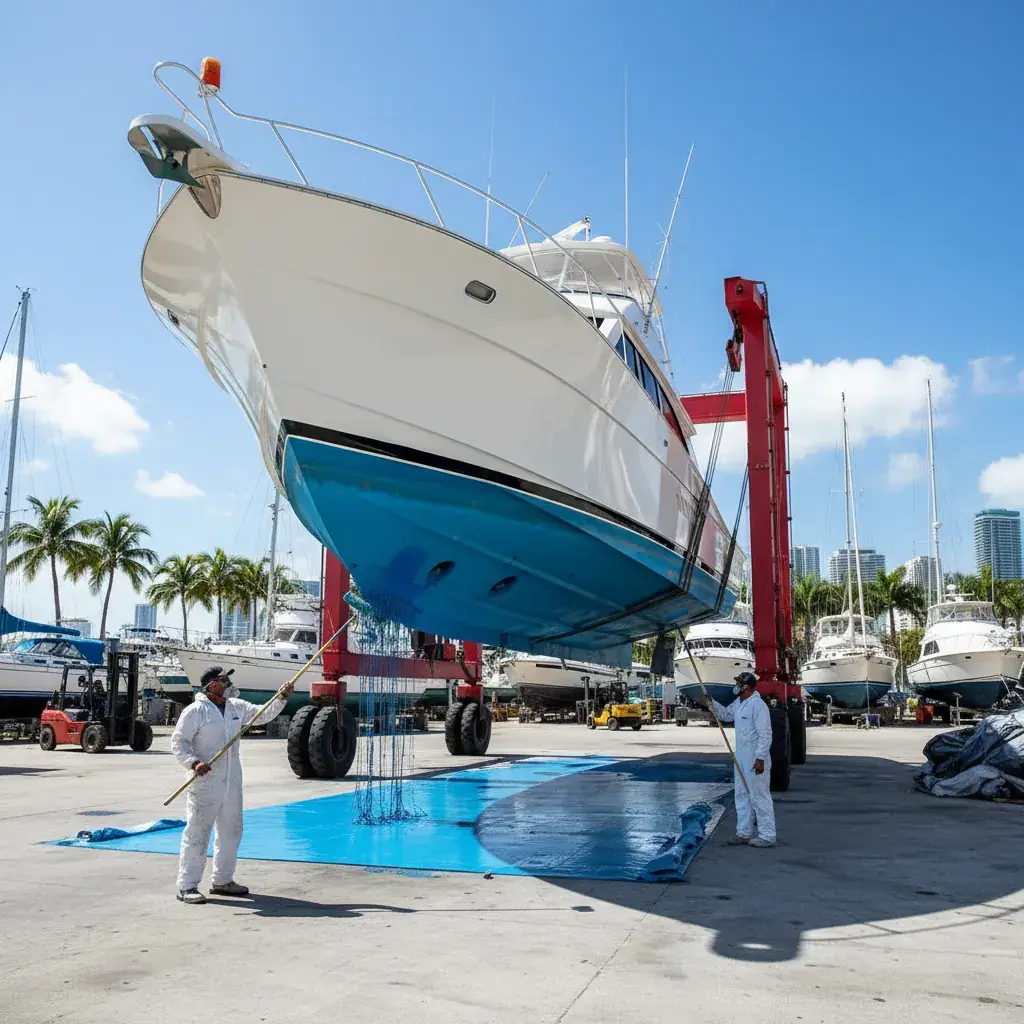
Bottom Painting
Antifouling paint, prep sanding, and haul-out coordination for Miami boats kept in the water year-round. Interlux and Pettit applicators.
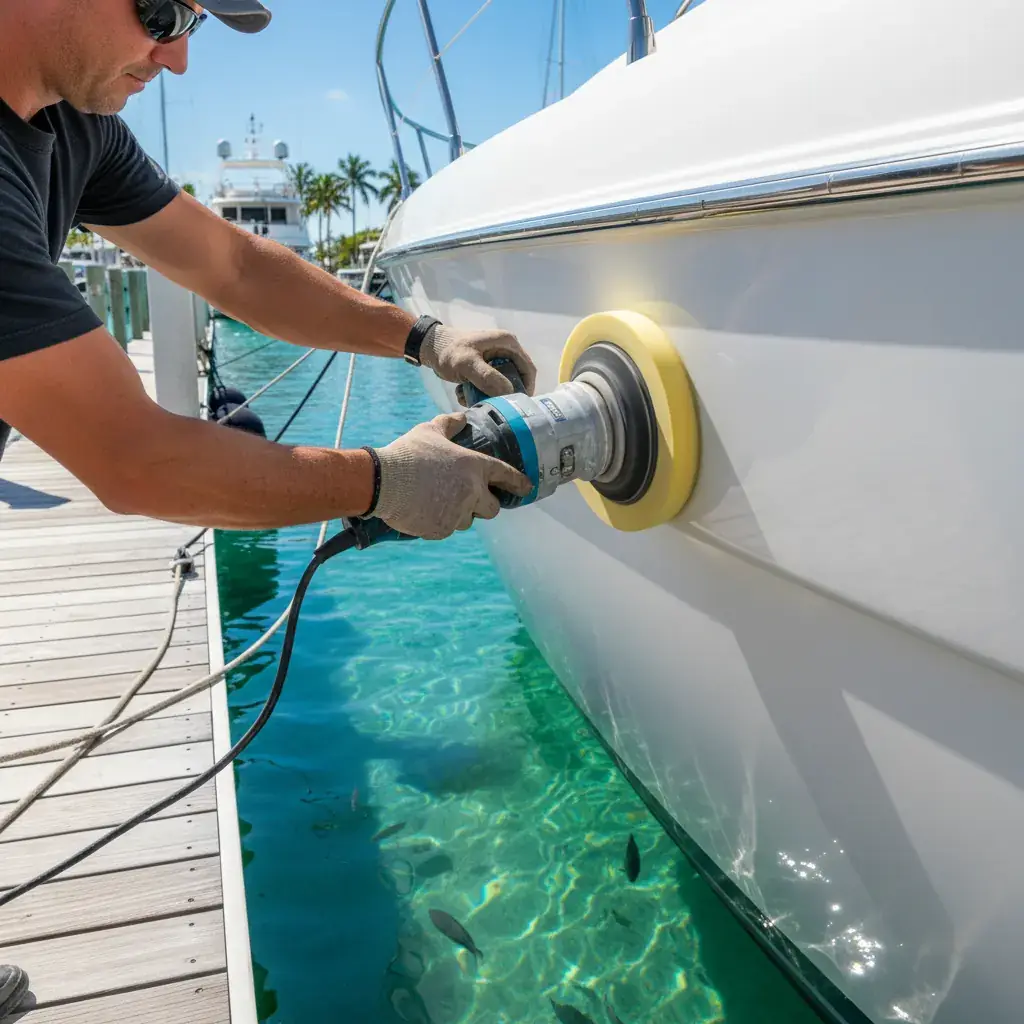
Boat Detailing
Premium wax, polish, compound, and ceramic coating. Restore UV-faded gelcoat and protect your hull from Miami sun and salt.
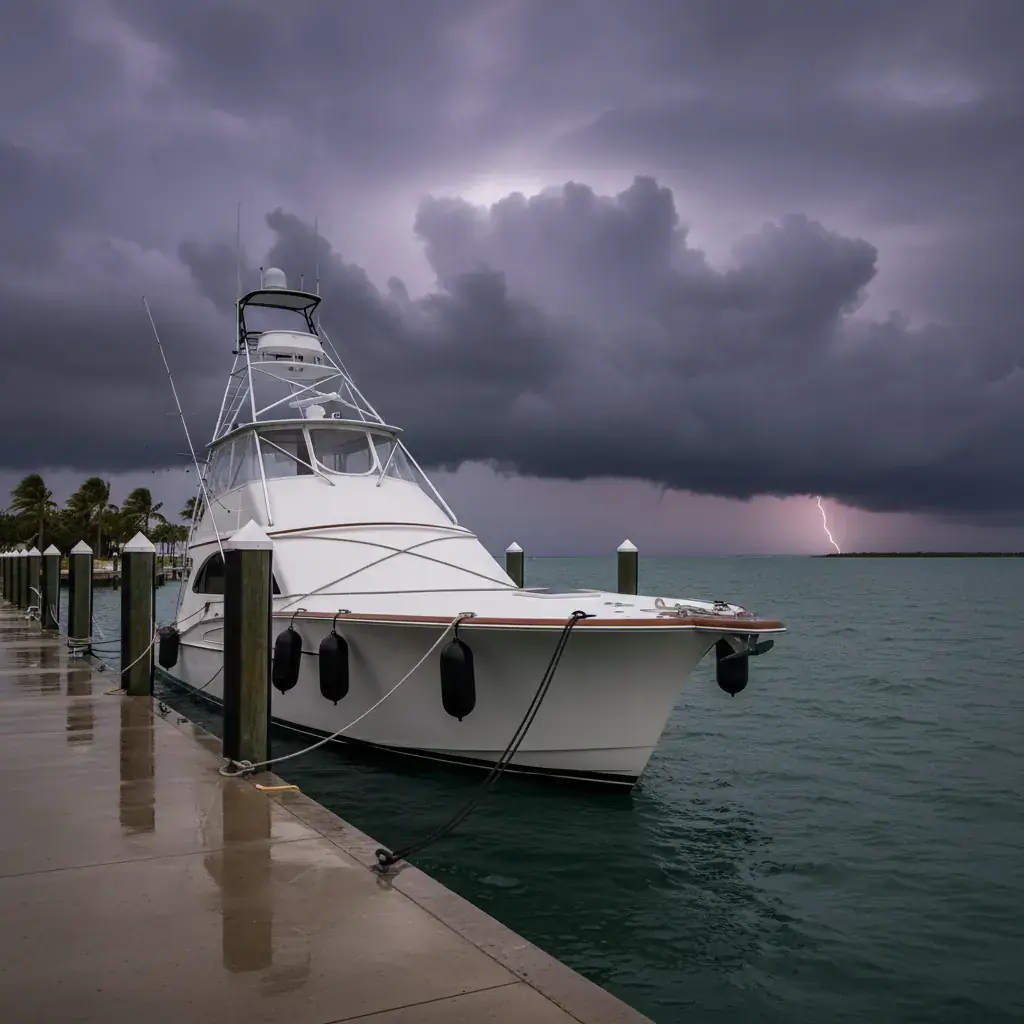
Hurricane Prep
Pre-storm tie-down, haul-vs-dock planning, and post-storm assessment. Protect your boat from Atlantic hurricane season in South Florida.
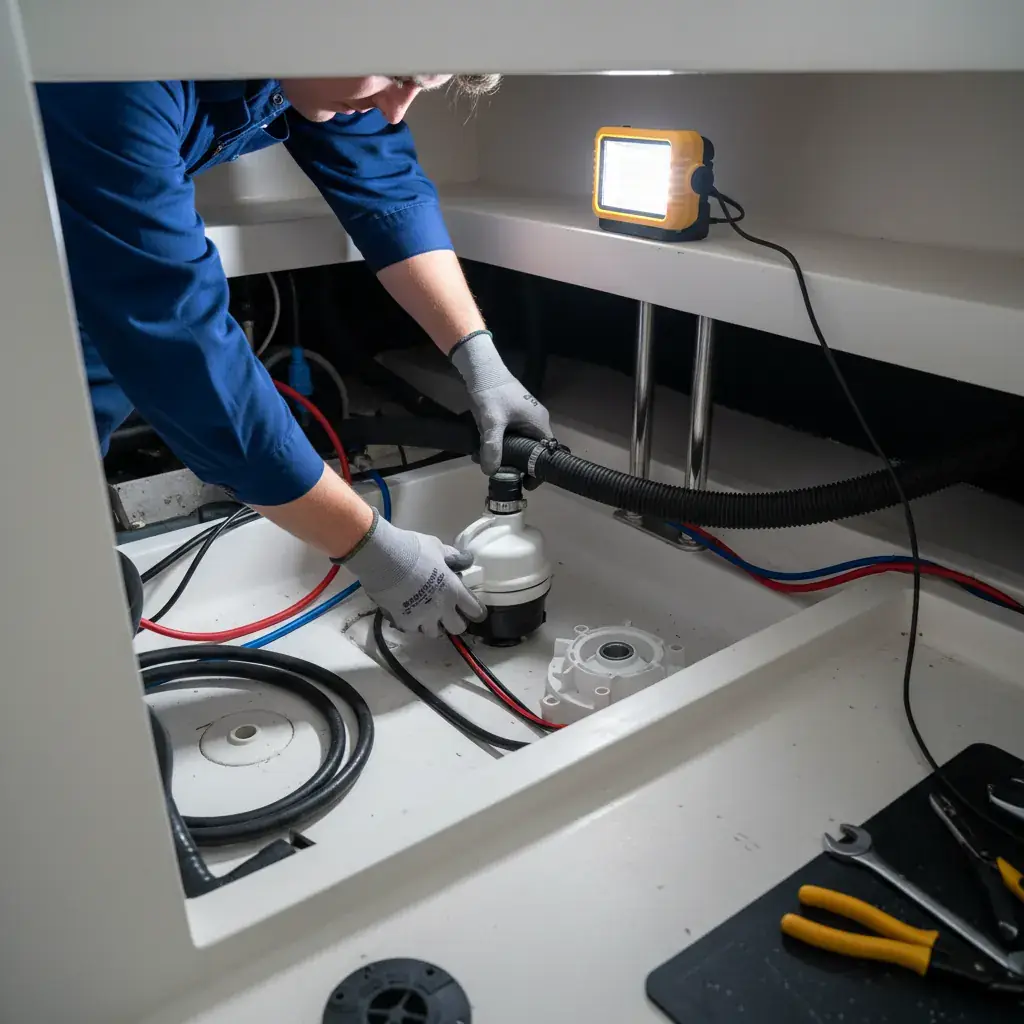
Marine Plumbing & Bilge Pumps
Bilge pump installation, freshwater systems, marine heads, livewells, and seacock service. Fix leaks before they sink the boat.
Boat Steering Repair
Hydraulic and cable steering repair, helm pump replacement, and throttle controls. SeaStar, BayStar, and Uflex certified.
Propeller Repair
Prop reconditioning, balancing, pitch correction, and damage repair. Stainless and aluminum props restored to factory spec.
Windlass Installation
Anchor windlass install, rope/chain rode, remote switches, and rebuild service. Lewmar, Maxwell, Lofrans, and Quick systems.
Boat Trailer Repair
Wheel bearings, surge brakes, lights, axles, and winches. Saltwater-ready boat trailer service to keep you legal on the road.
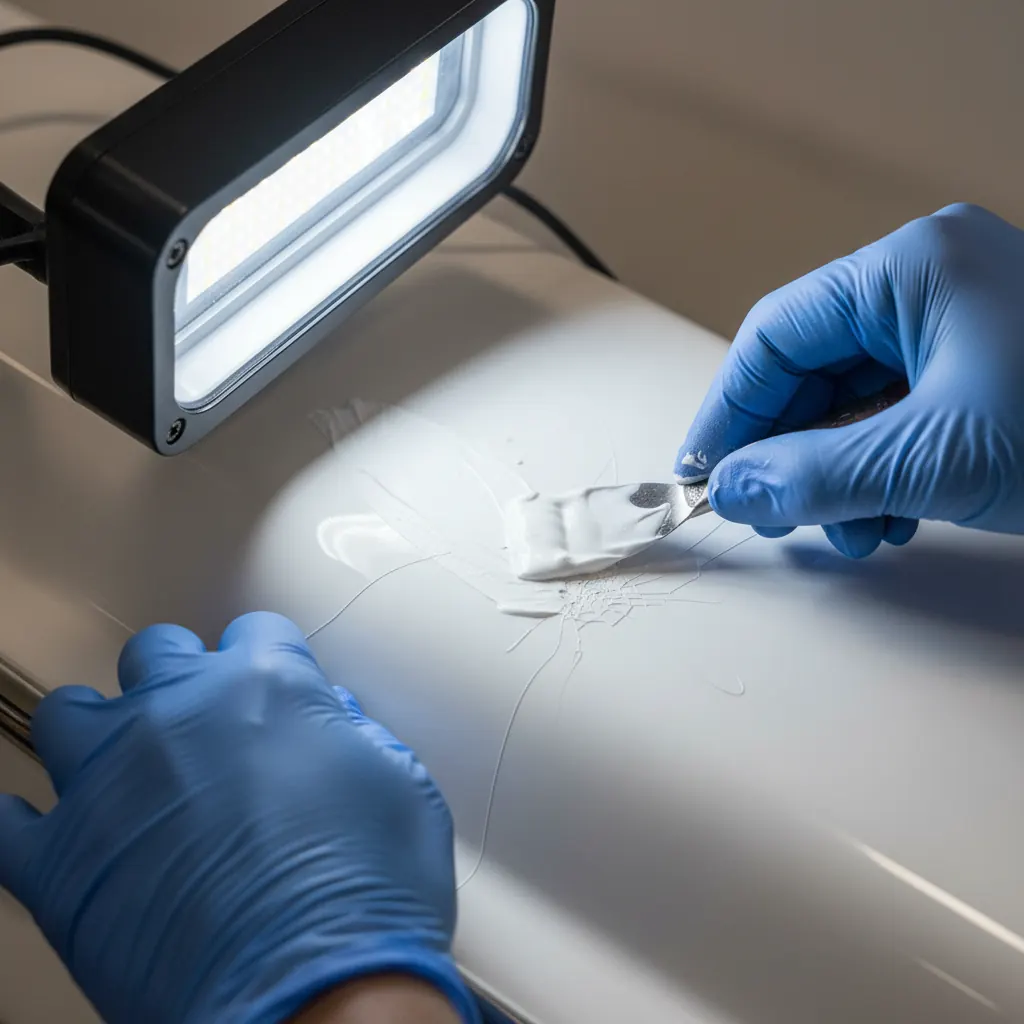
Gelcoat Repair
Spider crack repair, color-matched gelcoat, dock rash restoration, and blister repair. Restore the factory finish on your hull.
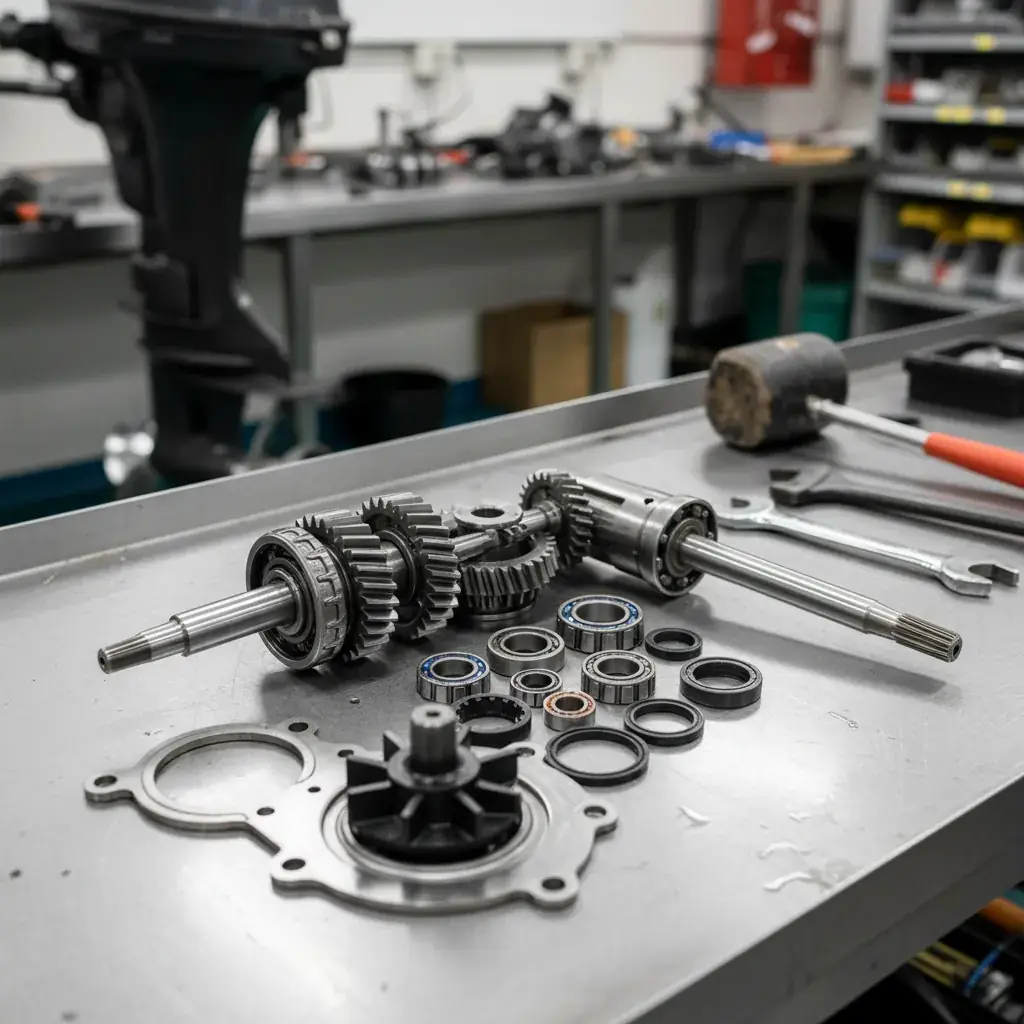
Lower Unit & Gearcase
Gearcase rebuild, seal replacement, water pump service, and gear oil changes. Fix milky oil before it destroys your lower unit.
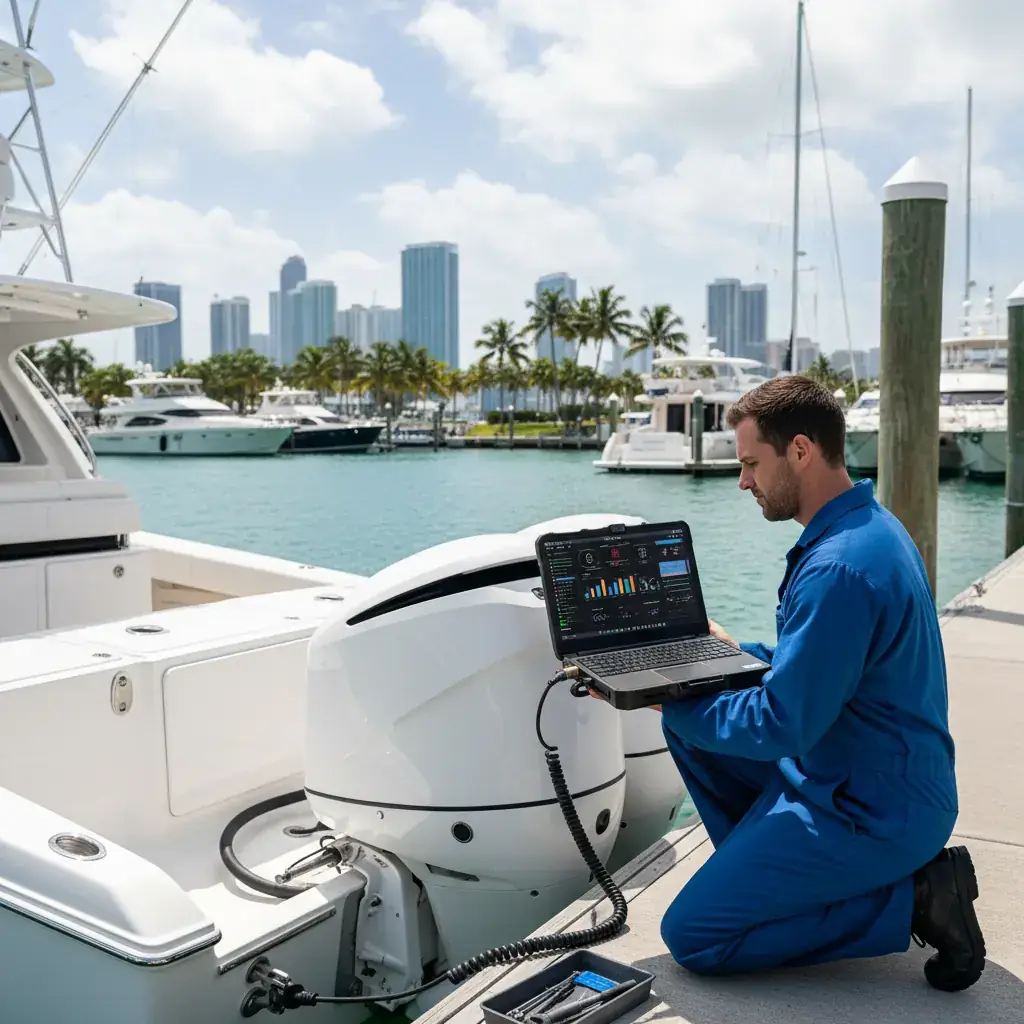
OEM Diagnostics & Alarm Codes
Factory-level engine diagnostics with YDIS, CDS G3, SDS, and HDS. Read, clear, and fix alarm codes other shops cannot.
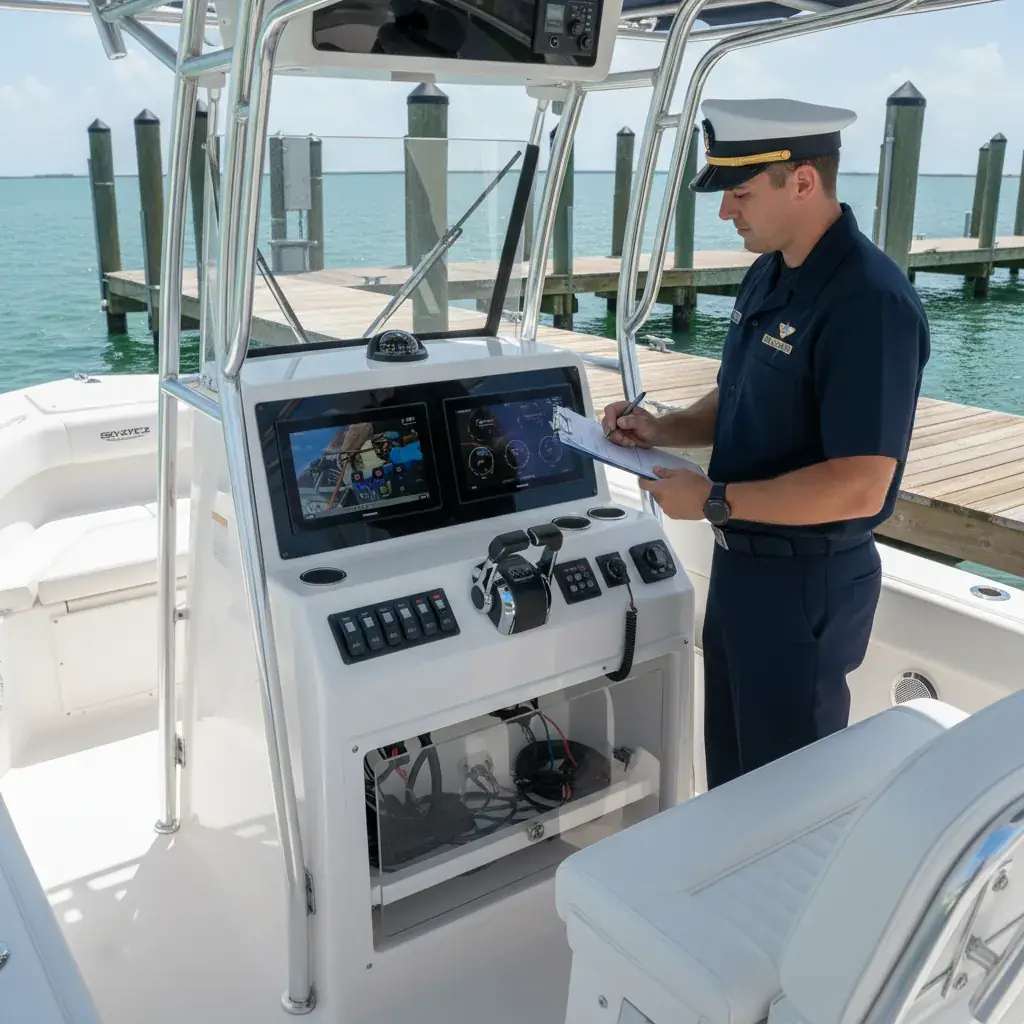
Pre-Delivery Inspection
Independent PDI for new boat buyers. Catch dealer-prep issues, missing options, and warranty items before you sign.
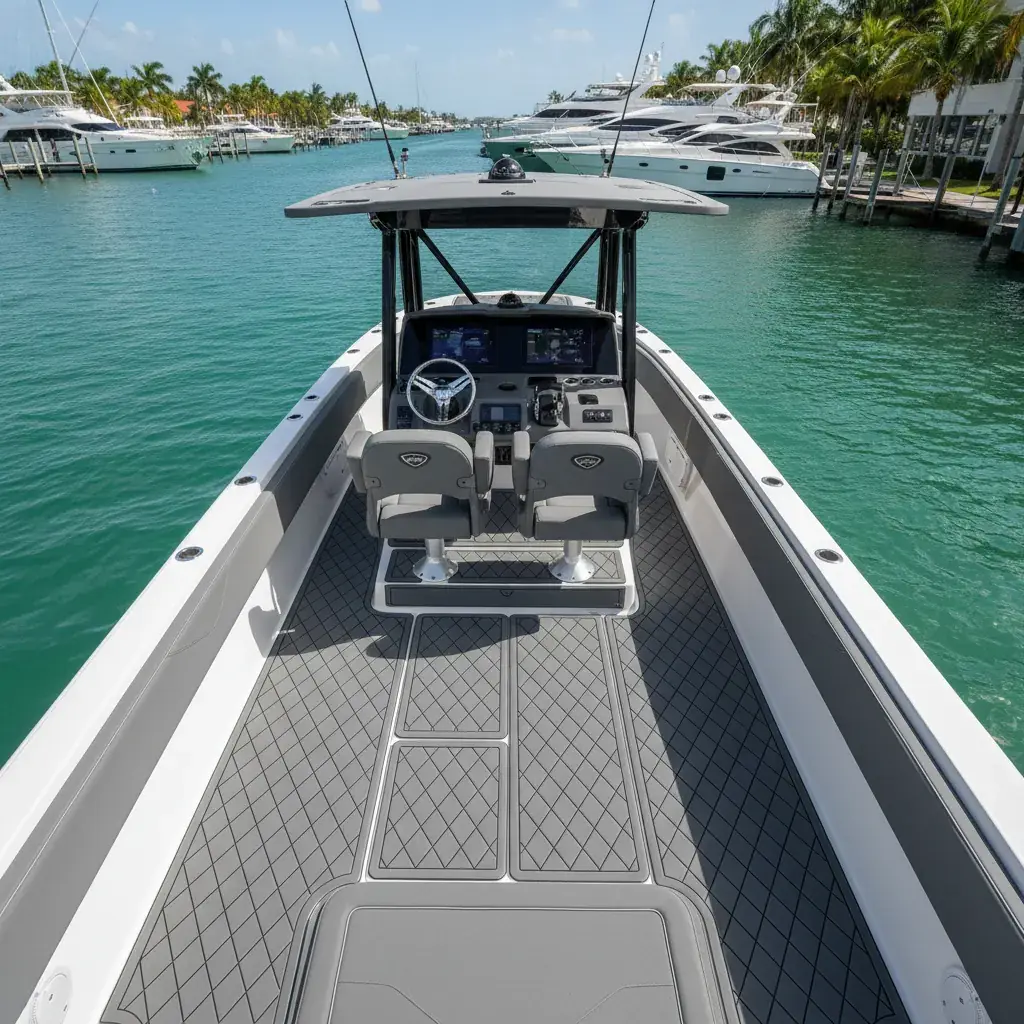
SeaDek / EVA Flooring
Custom SeaDek install, CNC-cut patterns, EVA foam flooring, and logo inlays. Quieter decks that stay cool in Miami sun.
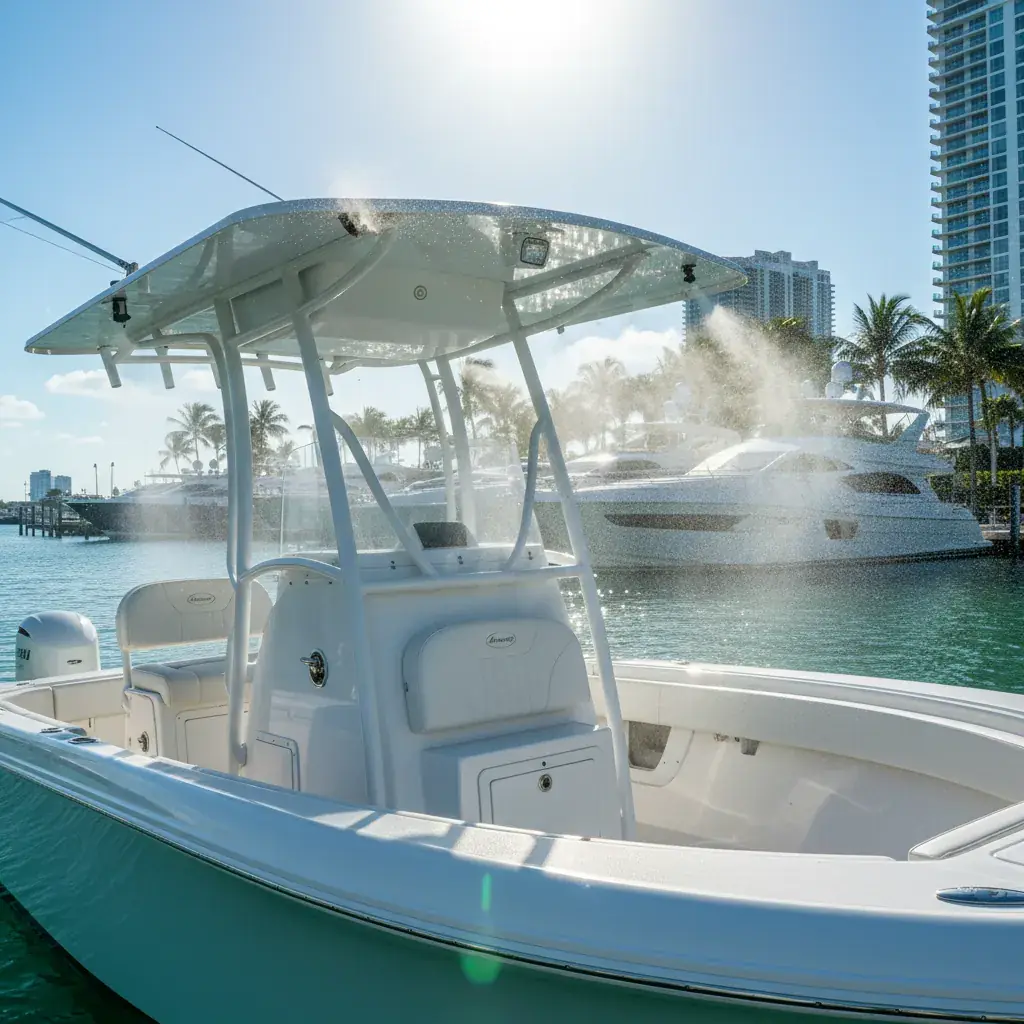
Misting System Installation
Dock, T-top, and flybridge misting systems that drop cockpit temps 15-20°F. Beat Miami summer heat on the water.
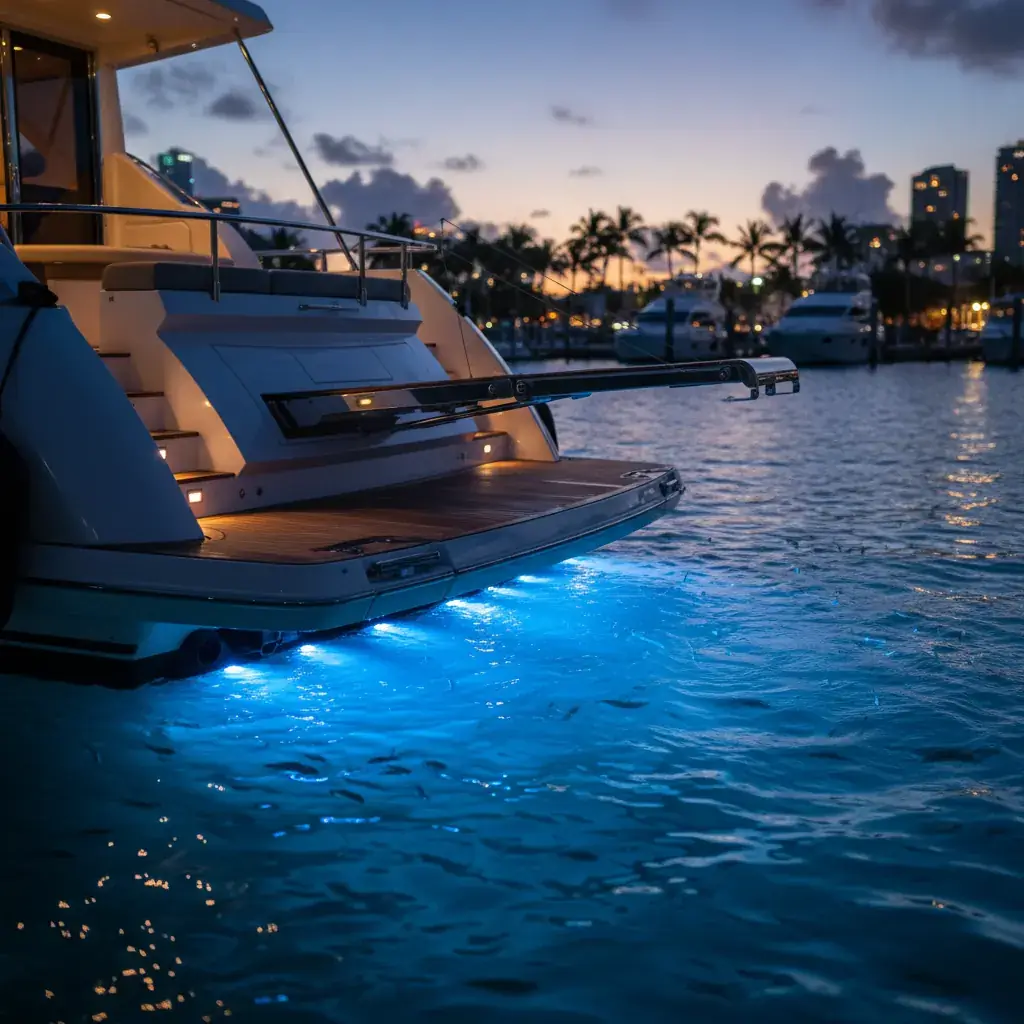
Marine LED Lighting
Underwater transom lights, deck LEDs, courtesy strips, and nav lighting. Shadow-Caster, Lumitec, and Lumishore installers.
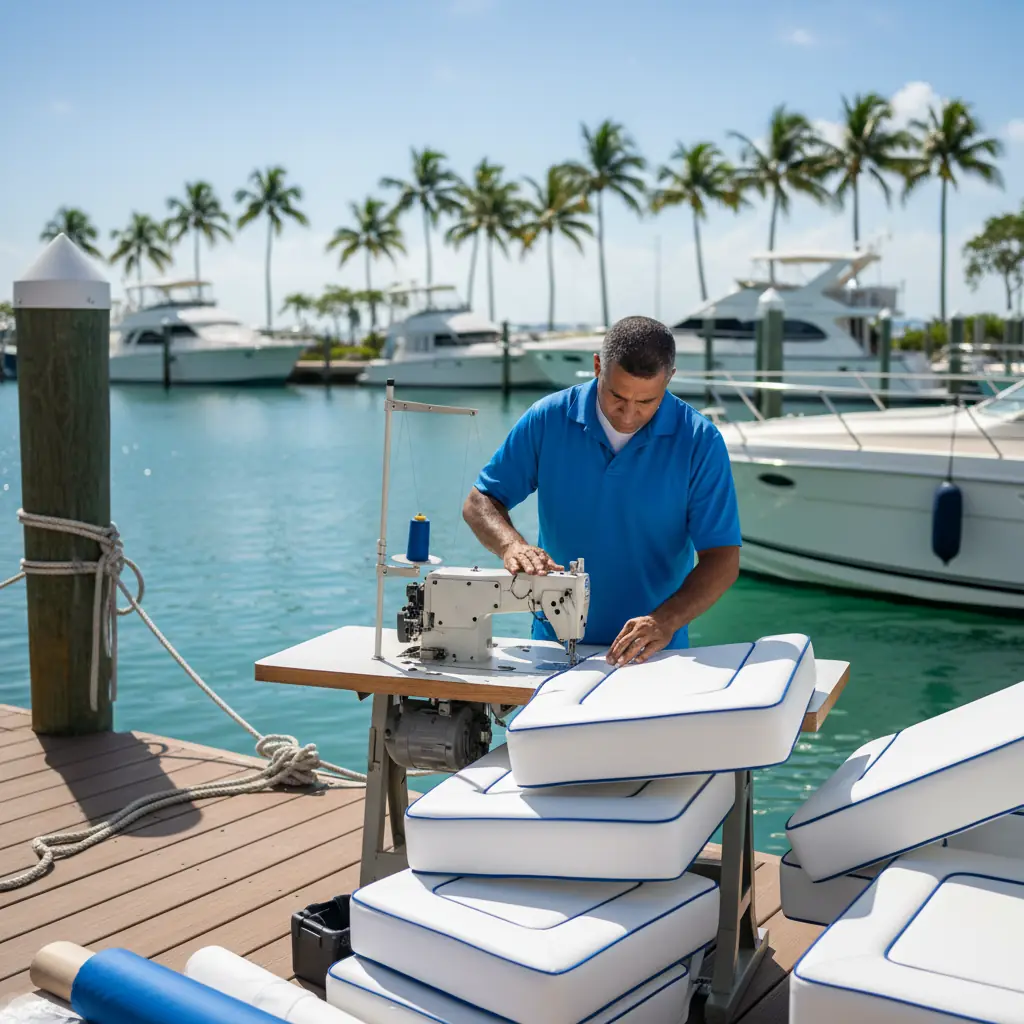
Marine Upholstery
Boat seat repair, yacht cushion replacement, vinyl restoration, and canvas work. Mobile service across South Florida.
300-Hour Service
Full 300-hour outboard service: valve lash, impeller, VST filter, thermostats, spark plugs, and ECU scan for Miami four-stroke engines.
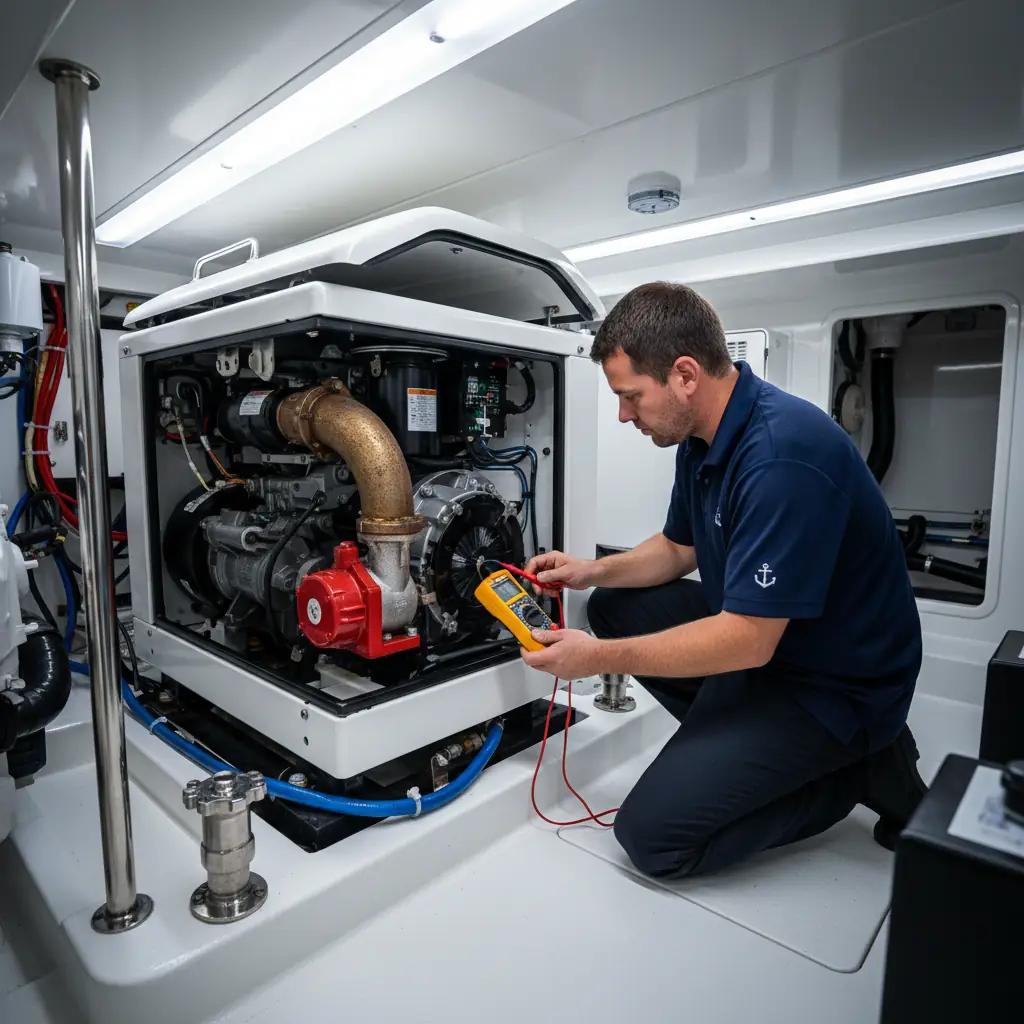
Marine Generator Repair
Miami marine generator repair for Onan, Kohler, Northern Lights, and more. Mobile service at your dock.
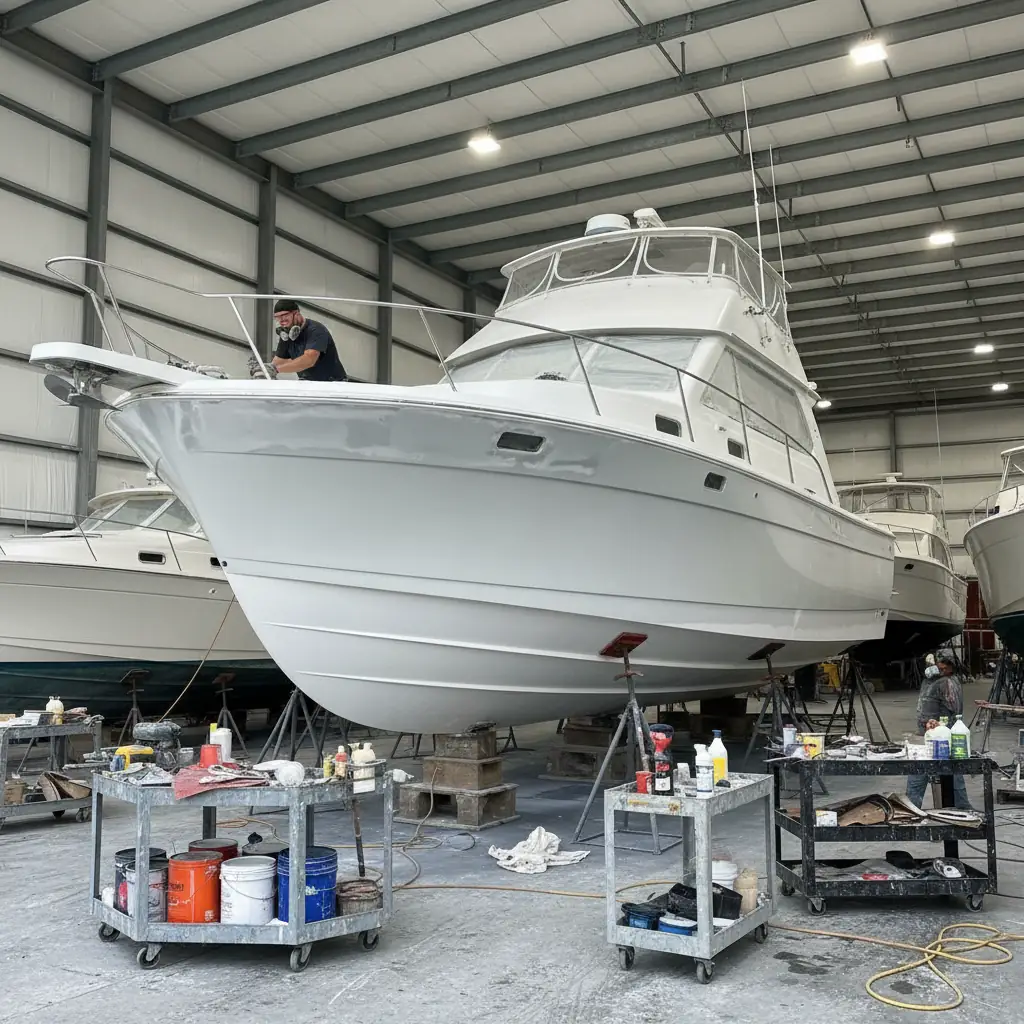
Boat Restoration
Miami boat restoration: hull rebuilds, refits, classic yacht work, fiberglass, paint, electrical, upholstery. Written scope on every project.
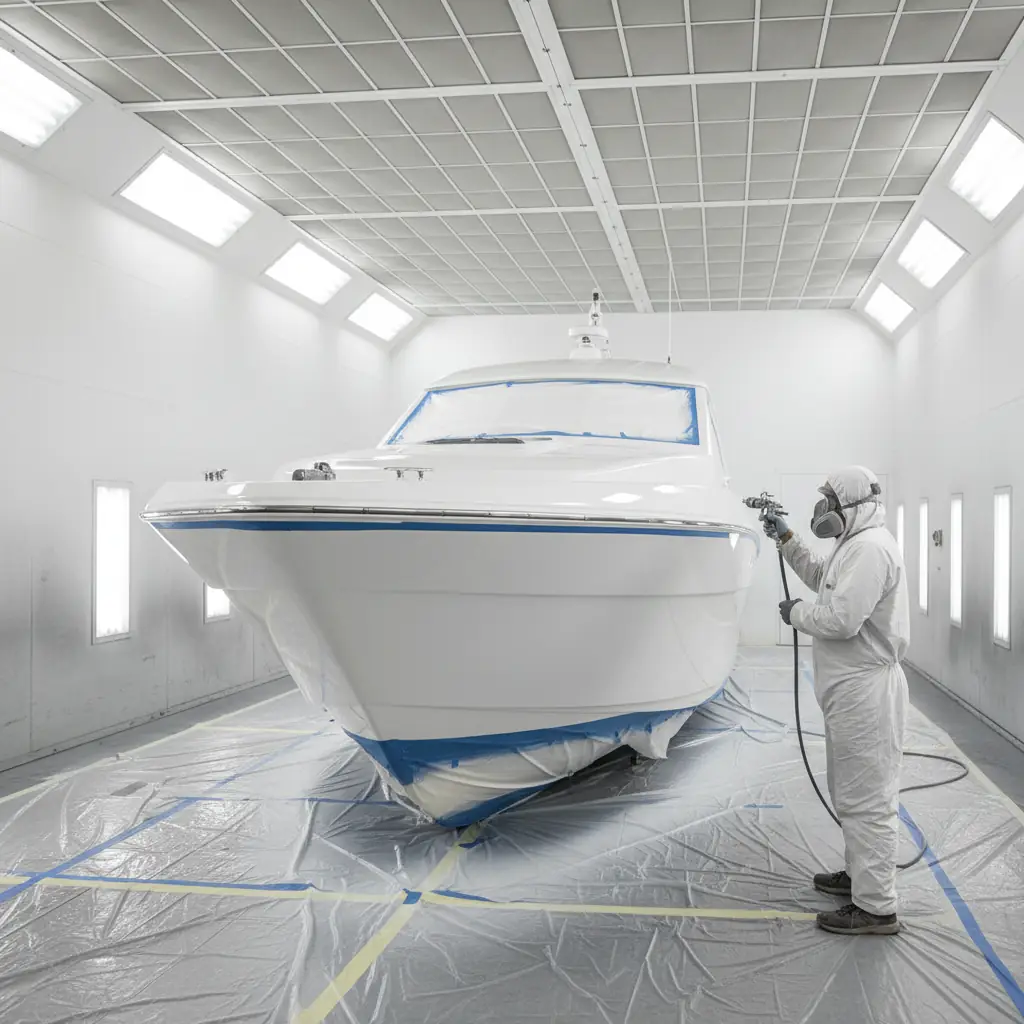
Yacht Topside Painting
Awlgrip and Awlcraft 2000 topside paint for Miami yachts. Full repaints, spot refinishes, and color changes done right.
Need Bow Thruster Installation in Miami?
Our certified marine mechanics are ready to help. Call us today for fast, reliable service anywhere in the Miami area.