Toilet Trouble on the Water
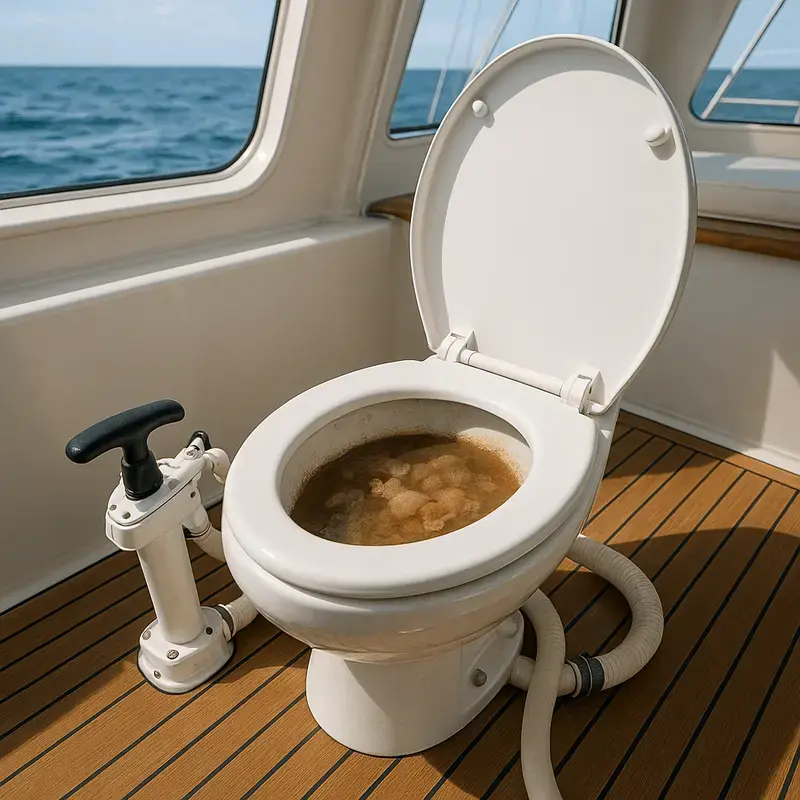
Nothing kills the mood on a yacht faster than a toilet that won’t flush. Guests start asking questions. The smell creeps in. You’re left with a mess and no quick fix. In Miami, marine toilets get hit hard—constant use, salt in the water, and heat that speeds up every problem. When the head stops working, it’s never just a minor inconvenience. Waste sits in the bowl. Odors spread. The whole trip grinds to a halt.
What Really Stops a Marine Toilet
Most yacht toilets fail for a handful of reasons. Clogged lines top the list. Toilet paper, wipes, or even too little water with each flush can block the pipes. Seals and gaskets wear out. When they crack, the system loses pressure. Vacuum toilets lose suction. Manual pumps get stiff or start leaking. Holding tank vents clog up, trapping air and stopping waste from moving. Each of these issues brings the system to a standstill.
- Clogs from paper, wipes, or buildup
- Worn or cracked seals and gaskets
- Vacuum leaks or pump failures
- Blocked holding tank vents
- Mineral deposits in lines
- Weak water flow to the bowl
Ignore these problems and you’ll get more than just a slow flush. Waste backs up. The bowl overflows. The smell lingers for days. Fixing it on the water is never easy.
What Happens Inside the System
Marine toilets use either vacuum power or manual pumps. Vacuum toilets rely on tight seals. When those seals fail, suction drops. Waste stays put. Manual pumps need regular care. Let mineral deposits build up and the pump jams. Both systems feed into a holding tank. That tank needs a clear vent. Block the vent and pressure builds. The flush gets weaker. Waste stops moving.
Every part of the system matters. A single cracked seal or a blocked vent can shut down the whole toilet. Water stops flowing. The pump strains. The bowl fills but won’t empty. You end up with a system that looks fine but refuses to work.
What to Check First
Start with the basics. Open the access panel and look for water around the base. Damp spots mean a leaking seal. Check the pump—manual or vacuum. Listen for odd noises or weak suction. Inspect the holding tank vent. A blocked vent feels like a dead end when you try to blow air through it. Shine a light down the discharge line. White or yellow crust means mineral buildup. Run water into the bowl. Weak flow points to a clogged intake or a failing pump.
- Look for leaks at every joint and seal
- Test the pump for smooth, strong action
- Check the vent line for airflow
- Inspect lines for hard deposits
- Flush with plenty of water and watch the flow
Don’t wait for a total failure. Regular boat maintenance in Miami keeps these problems from piling up. Most toilet failures start small—just a little leak or a slow flush. Catch it early and you avoid a full system shutdown.
Safe Ways to Clear a Clog
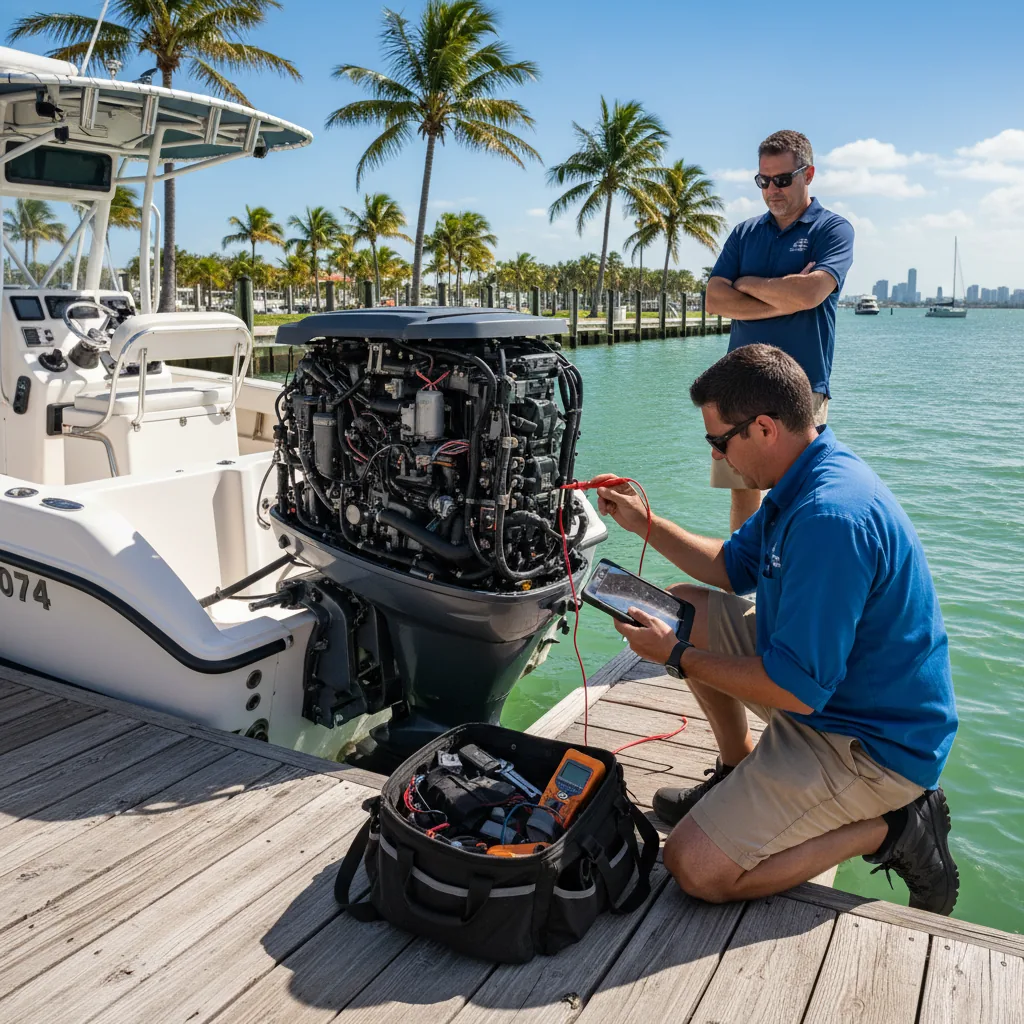
Reach for the wrong cleaner and you’ll do more harm than good. Harsh chemicals eat seals and corrode metal. That quick fix turns into a full rebuild. Stick with marine-safe enzyme cleaners. They break down waste without damaging the system. For tough clogs, call in mobile marine mechanics in Miami. They bring the right tools—flexible snakes, vacuum pumps, and knowledge. No speculation. No broken pipes.
Holding tank problems need a different approach. A clogged vent traps air. The flush gets weaker every time. Open the vent line and clear any blockages. Before a long trip, run through a full system check. Test every flush. Make sure the tank is empty and the vent is clear. Use proper system checks before long trips to avoid surprises on the water.
Keeping Toilet Problems from Coming Back
Prevention beats repair every time. Only flush marine toilet paper. Never put wipes or anything else down the bowl. Use plenty of water with each flush. That keeps lines clear and waste moving. Schedule regular maintenance. Don’t skip it. Miami’s heat speeds up every problem—waste breaks down faster, odors get stronger, and seals dry out. Install a waste tank monitor. Watch the levels and pressure. Don’t let the tank overfill.
Professional cleaning makes a difference. Regular boat cleaning keeps the system fresh. It stops buildup before it starts. A clean system flushes better, smells better, and lasts longer.
- Flush only marine-safe paper
- Use extra water with every flush
- Book regular maintenance and cleaning
- Monitor tank levels and pressure
- Replace seals and gaskets before they fail
Skip these steps and you’ll be back to square one—slow flushes, bad smells, and unhappy guests.
Get Professional Marine Toilet Repair in Miami
Call Boat Repair Miami at 305-290-2706 or schedule your repair service online to keep your marine toilet system working properly.
Frequently Asked Questions
What are the most common reasons a yacht toilet won't flush?
Most marine toilets fail for a handful of recurring reasons. Clogged lines top the list, usually from toilet paper, wipes, or flushing without enough water. Worn or cracked seals and gaskets cause the system to lose pressure, and vacuum toilets lose suction once those seals fail. Manual pumps can get stiff or start leaking with age. Blocked holding tank vents trap air and stop waste from moving through the system. Mineral deposits build up inside the lines, restricting flow, and weak water flow to the bowl makes every flush less effective. One small failure can shut down the whole toilet.
How do I troubleshoot a marine toilet that flushes weakly?
Start with the basics. Open the access panel and look for water around the base, since damp spots usually mean a leaking seal. Test the pump, manual or vacuum, listening for odd noises or weak suction. Check the holding tank vent line for airflow; a blocked vent feels like a dead end when you try to blow air through it. Shine a light down the discharge line and look for white or yellow crust, which signals mineral buildup. Run water into the bowl and watch the flow. Weak flow points to a clogged intake or failing pump. Catch issues early before a full failure.
Is it safe to use household drain cleaner in a yacht toilet?
No. Reach for the wrong cleaner and you'll do more harm than good. Harsh chemicals eat seals and corrode metal components, turning a simple clog into a full system rebuild. Stick with marine-safe enzyme cleaners, which break down waste without damaging the system. For tougher clogs, professional mobile marine mechanics bring the right tools, including flexible snakes and vacuum pumps, plus the experience to clear blockages without breaking anything. Holding tank vent issues need a different approach entirely. The wrong cleaner can quietly destroy components long before symptoms reappear, so the cheap fix often becomes the most expensive one.
How can I prevent yacht toilet problems from happening again?
Prevention beats repair every time. Only flush marine toilet paper and never put wipes or anything else down the bowl. Use plenty of water with each flush to keep lines clear and waste moving. Schedule regular maintenance and don't skip it, since Miami's heat speeds up every problem from breaking down waste to drying out seals. Install a waste tank monitor to watch levels and pressure, and never let the tank overfill. Replace seals and gaskets before they fail rather than after. Regular professional cleaning stops buildup before it starts and keeps every flush working the way it should.