The Pattern Behind 80% of Miami Boat Repairs
These 7 repair categories account for roughly 80% of what marine mechanics in Miami see. Each one is preventable with regular service. The other 20% is the weird stuff, the one-off failures, the freak accidents at the dock. But if you understand the 7, you understand most of what goes wrong on a Miami boat and most of what costs you a weekend on the water.
We pulled this from Boat Repair Miami service data spanning 2020 to 2025, covering thousands of mobile service calls across Miami-Dade and Broward. The patterns are consistent year over year. Salt water and heat drive almost everything on this list, and almost every repair traces back to a maintenance interval that got skipped.
The 7 Most Common Boat Repairs in Miami, Ranked
Ranked by share of total service volume, not by cost or severity. A bilge pump failure is cheap to fix but extremely common. An engine overhaul is rare but expensive. Both matter, but they sit at different ends of the list.
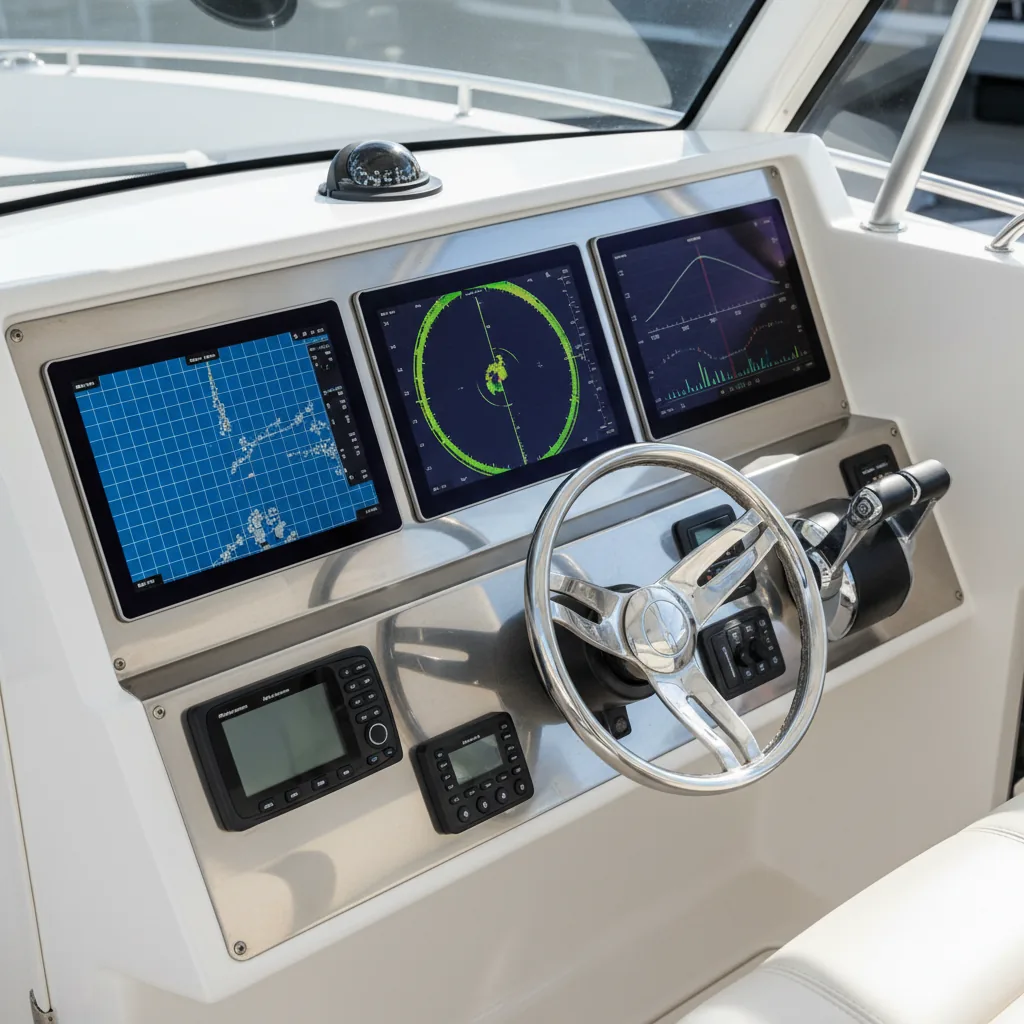
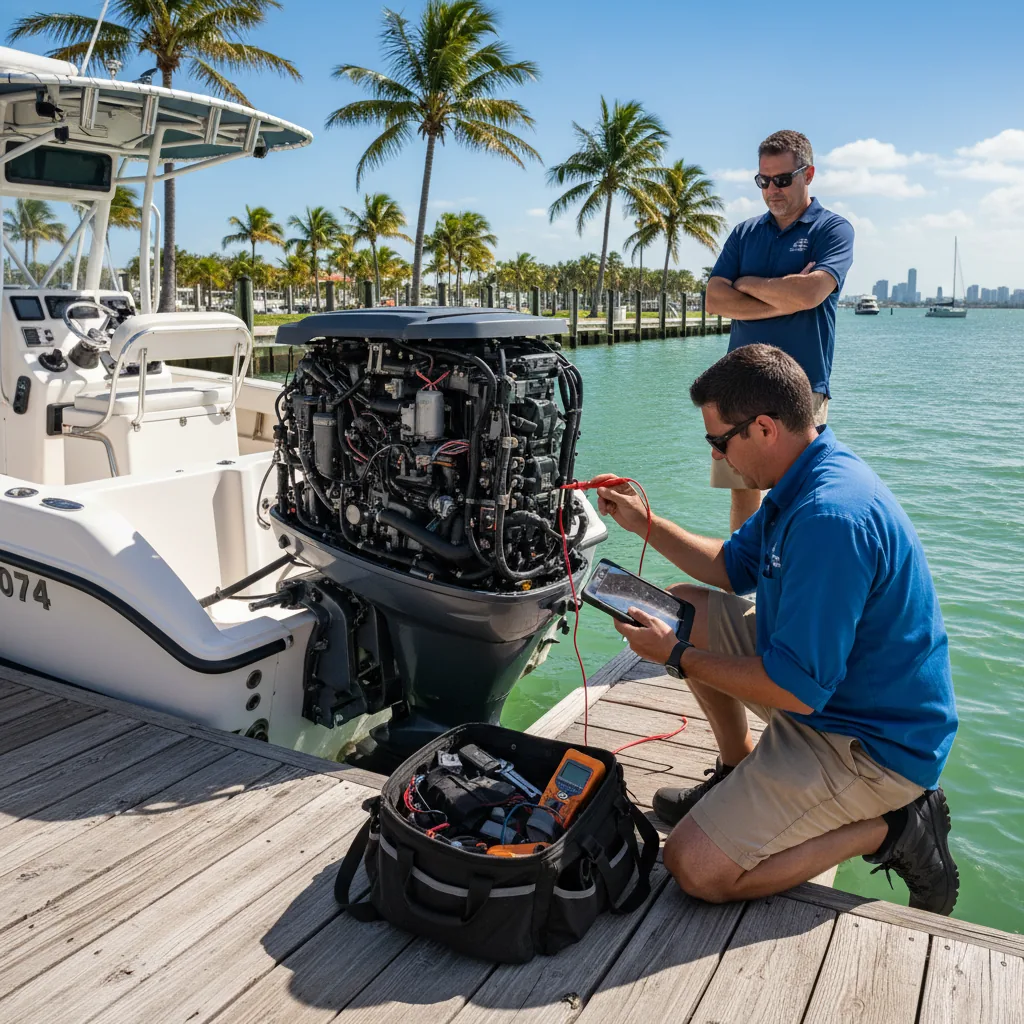
1. Battery and Electrical System Failures (about 22% of service volume). The single most common reason a Miami boat will not start is electrical, not mechanical. Corroded terminals, sulfated batteries, failed isolators, and chafed wiring account for roughly 22% of all service calls. Average cost runs $180 to $650. Miami specifically eats batteries because heat accelerates plate degradation and salt air corrodes every exposed connection. A battery that lasts 5 years in a garage in Ohio lasts 2 to 3 years on a boat in Coconut Grove. Most of these repairs are handled by a marine electrician who can pressure-test the charging system rather than just swap parts.
2. Fuel System Issues, Especially Ethanol Damage (about 18%). Phase-separated ethanol fuel, clogged filters, gummed-up carburetors, and corroded fuel tanks make up about 18% of our calls. Average cost is $250 to $1,400. Miami boats sit in heat and humidity for weeks at a time, and ethanol pulls water out of the air. That water settles in the tank, the fuel separates into layers, and the bottom layer is what gets pulled into the engine. The fix usually involves the same boat engine repair team draining the tank and rebuilding the fuel delivery path.
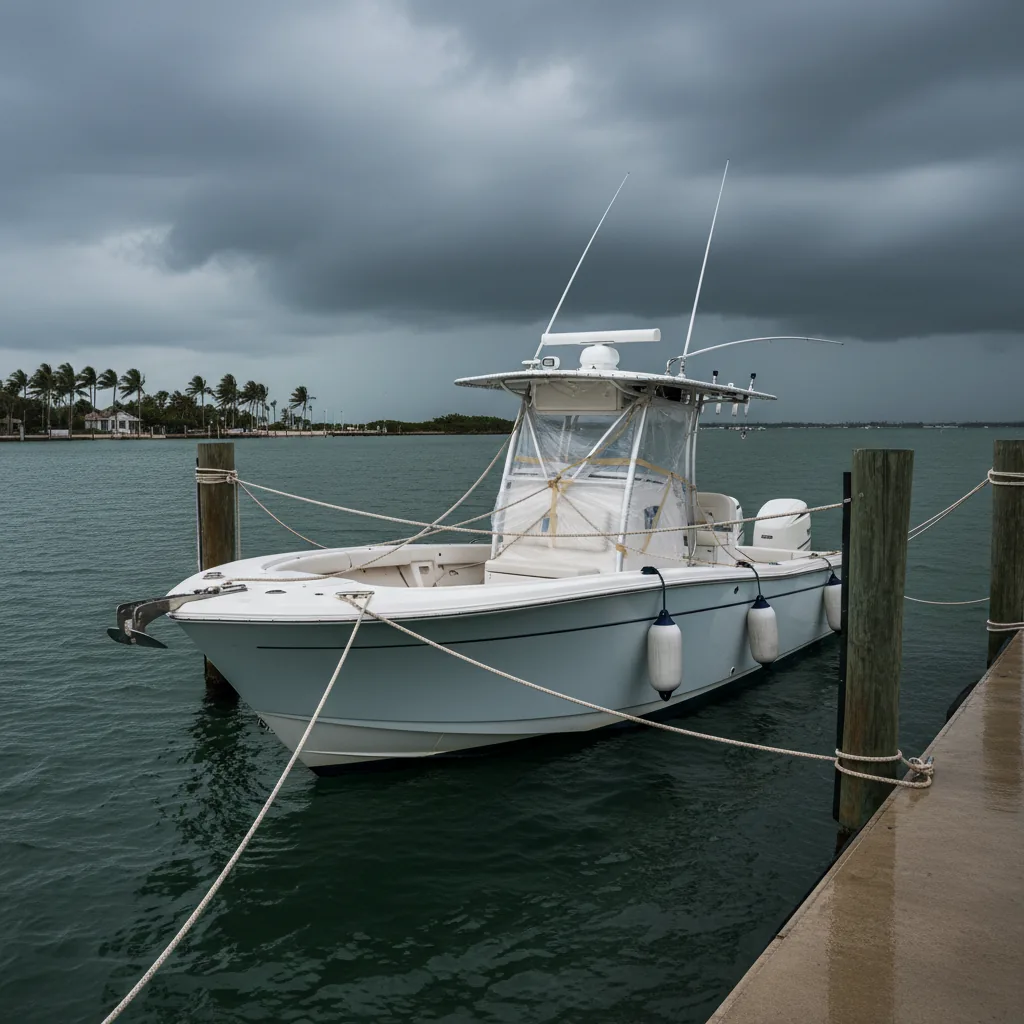
3. Bilge Pump and Plumbing Failures (about 14%). Stuck float switches, burnt-out bilge motors, leaking hose clamps, and failed thru-hulls account for roughly 14% of calls. Average cost is $150 to $500. A failed bilge pump is how boats sink at the dock during summer storms. Miami gets 60 inches of rain a year, most of it in summer afternoon downpours. We replace more bilge pumps and marine plumbing components in June through September than any other quarter.
Lower Units, Steering, Props, and Gelcoat Round Out the Top 7
4. Lower Unit and Outboard Drive Problems (about 12%). Bad gear oil, water intrusion past the drive shaft seal, spun props, and worn gears make up about 12% of our work. Average cost is $400 to $2,200. Salt water is brutal on lower unit seals. When that seal lets go, water gets in, mixes with the gear oil, and turns it into a milkshake that wrecks the gears. Annual gear oil changes catch this early. If it has gone past that point, lower unit repair is the call.
5. Steering and Hydraulic Failures (about 10%). Stiff steering, leaking hydraulic hoses, failed helm pumps, and seized cable steering account for about 10% of service volume. Average cost runs $300 to $1,500. Miami heat is the issue here. Hydraulic seals dry out, hose fittings expand and contract, and cable steering systems corrode at the helm and at the engine bracket. Steering repair done early, before the system fully seizes, runs about half the cost of waiting until it locks up.
6. Propeller Damage and Vibration (about 8%). Bent blades, dinged edges, hub slippage, and out-of-balance props are about 8% of our calls. Average cost is $120 to $600. Miami is shallow in a lot of places people do not realize until they hit something. Sandbars off Key Biscayne, coral heads in Government Cut, and submerged debris after storms all eat props. Propeller repair caught early prevents a much bigger lower unit bill 6 months later.
7. Gelcoat, Fiberglass, and Cosmetic Damage (about 6%). Spider cracks, oxidized gelcoat, stress fractures around hardware, and minor impact damage round out the top 7 at roughly 6% of service volume. Average cost is $250 to $2,500. South Florida sun is the silent killer of gelcoat. Annual waxing and a quality cover make a 10-year difference. When it gets past wax-and-buff, gelcoat repair is the right intervention before the damage opens into the structural layer.
Why Miami Drives These 7 Repairs Specifically
Four environmental factors push these failures faster than other regions. Salt content in the water is high year round, with no fresh-water flushing season. Average summer water temps run 85 degrees, which keeps marine growth and corrosion active 12 months a year. UV exposure is among the highest in the continental US. And the rainy season dumps water on boats that may sit for weeks at a time at slips in Miami Beach, Fort Lauderdale, and Key Biscayne.
Compare that to a boat in a Great Lakes marina that gets hauled and shrink-wrapped for 6 months a year. That boat sees roughly half the corrosion cycles. A Miami boat is exposed every single day. Across our service area from Miami up through Fort Lauderdale, the wear patterns are nearly identical, with slight variations based on whether a boat is rack-stored, slipped, or trailered.
What 80% of These Repairs Have in Common
Almost every repair on this list traces back to a skipped maintenance interval. Batteries that should have been load-tested. Fuel that should have been stabilized. Bilge pumps that should have been replaced before they failed. Gear oil that should have been changed annually. The actual repair cost on the back end is usually 3 to 5 times what the preventive service would have cost on the front end.
The most cost-effective approach is a 100-hour service interval with an annual deep inspection. That schedule catches 5 of the 7 categories before they become real repairs. The other 2, gelcoat and prop damage, are handled by visual inspection and prompt repair when something gets hit.
When to Call vs When to Wait
If the boat will not start, will not steer, or will not pump bilge water, that is a same-day call. Those are the failures that escalate fast and turn cheap fixes into expensive ones. Fuel issues, lower unit issues, and gelcoat issues will tolerate a day or two of scheduling, but not weeks. The longer water sits in a fuel tank or behind a cracked gelcoat layer, the more it spreads.
Mobile service is faster than a marina yard for 5 of the 7 categories. The exceptions are full lower unit rebuilds and large fiberglass jobs, which need a shop environment. For everything else, mobile marine mechanics can handle the work at your slip, lift, or driveway with no haul-out fees.
Catch the Problem Before It Becomes Your Repair
The 7 repairs above are not random failures. They are predictable patterns driven by Miami salt, heat, and skipped maintenance, and every one of them is preventable with the right inspection schedule. A 90-minute preventive diagnostic costs a fraction of what these repairs run once they break. Call (305) 290-2701 or book a preventive diagnostic and get ahead of the categories most likely to hit your boat next.
Frequently Asked Questions
What is the single most common boat repair in Miami?
Battery and electrical system failures, at roughly 22% of all service volume. Miami heat and salt air shorten battery life to 2-3 years and corrode every exposed connection, which is why so many no-start calls trace back to electrical rather than mechanical issues.
How much do common Miami boat repairs cost on average?
Most of the top 7 fall between $150 and $2,500. Bilge pumps and minor electrical work run $150 to $650. Fuel system and steering work runs $250 to $1,500. Lower units and major gelcoat repairs reach $1,400 to $2,500. Preventive service is typically 3-5 times cheaper than the back-end repair.
Why do Miami boats need more frequent repairs than boats up north?
Miami boats are exposed to salt, heat, UV, and rain 365 days a year with no winter haul-out cycle. That doubles the corrosion exposure compared to a northern boat that sits shrink-wrapped for 6 months, which is why batteries, seals, fuel systems, and gelcoat all wear faster here.
Can most of these repairs be done at my slip or do I need a yard?
Five of the 7 can be done mobile at your slip, lift, or driveway, including electrical, fuel, bilge, steering, and prop work. Full lower unit rebuilds and large fiberglass jobs typically need a shop environment because of equipment and cure-time requirements.
How often should a Miami boat be serviced to avoid these repairs?
A 100-hour service interval combined with an annual deep inspection catches 5 of the 7 most common repair categories before they fail. The remaining two, propeller and gelcoat damage, are managed through visual inspection after every outing and prompt repair when something gets hit.