Parasitic Power Drains
- Electronics drawing power even when off
- Corroded or loose wiring bleeding energy
- Bilge pumps cycling unnecessarily
- GPS memory, alarms, and stereo clocks trickling power 24/7
One customer’s fish finder was quietly draining his battery in less than a week. We installed a master disconnect switch and the issue disappeared overnight. If your boat sits for days at a time, a battery switch isn’t optional—it’s essential.
Charging System Not Doing Its Job
- Alternator putting out low voltage
- Corrosion at terminals
- Belt slipping and reducing output
- Voltage regulators failing silently
If your engine isn’t putting out at least 13.8 volts while running, your battery isn't charging. A quick voltmeter test at idle and at cruise RPM can reveal if it's time to repair your charging system before you buy another new battery you don’t actually need.
Using the Wrong Battery
- Automotive batteries in marine conditions
- Starter batteries used for house loads
- Mixing old and new batteries in one bank
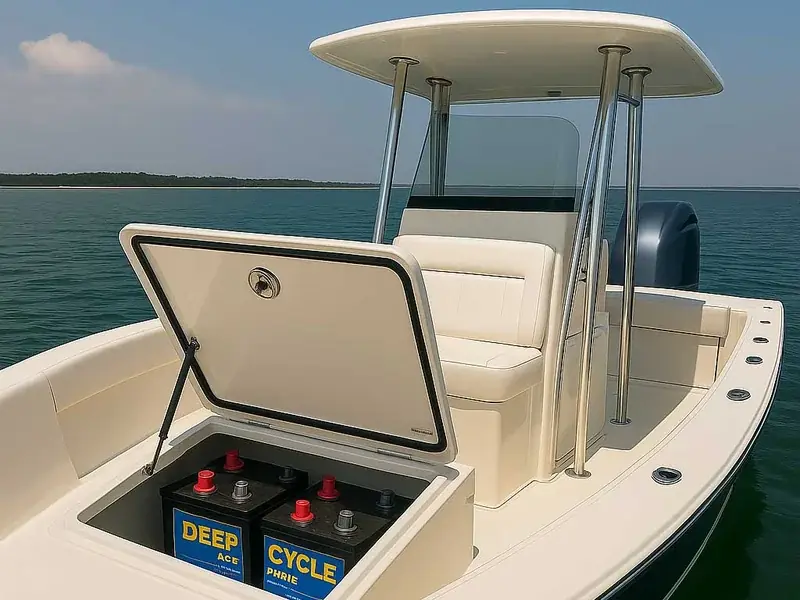
Marine batteries are built to handle vibration, humidity, and heat. In South Florida’s climate, we recommend switching to dual-purpose AGM batteries. Yes, they cost more up front, but they last longer and hold up better under real-world marine use.
Problems with Shore Power
- Cheap or faulty onboard chargers
- Wrong setting for your battery type
- Low voltage at marina docks
- Tripped breakers you didn’t notice
Low voltage across a dock can silently sabotage every charger. A simple plug-in voltage meter at your slip will help you spot issues before they damage batteries. Want the best setup? Use a 3-stage smart charger matched to your battery type. Avoid trickle chargers—they often do more harm than good.
Neglected Maintenance
- Flooded batteries running low on water
- Corroded terminals stressing the system
- Battery age over 3 years in Miami heat
We see flooded batteries dry out fast in summer. Top them off monthly with distilled water. Clean your terminals twice a year, and don’t wait for failure. Replacing a battery on your schedule is always better than waiting until it ruins your day offshore.
Heat: The Miami Battery Killer
- Unventilated compartments
- Dark hulls baking in full sun
- Exhaust heat cooking nearby batteries
130°F battery boxes are common on midsummer afternoons here. We install solar vents and small fans to keep compartments under 100°F. Lower temps mean longer life. Consider relocating batteries or adding thermal shielding if they’re in an engine room.
Wiring That’s Working Against You
- Undersized wires creating voltage drop
- Hidden corrosion inside connectors
- Old fuse blocks with failing contact points
A customer once chased a mystery drain for months. We found it in an old inline fuse that had just enough corrosion to mess up charging. Clean wiring isn’t just a nice-to-have—it’s the backbone of a healthy electrical system.
A Smarter Battery Setup
- Isolated starting and house banks
- Automatic charging relays
- Simple switches that anyone can use
Our dual battery systems give customers peace of mind. The house battery can run all day without touching the starter battery. Everything charges while running. No dead batteries. No stress. If you’re not sure how to upgrade your setup, let our marine electricians handle it right.
Monitor It All in Real Time
- Real battery monitors showing amp hours
- Solar maintainers for boats stored outdoors
- Smart switches that cut power before damage
Don’t rely on voltage readings alone. They’re misleading. We install battery monitors that show true charge left. Add a solar trickle charger and you’ll never return to a dead battery again. Our mobile marine mechanic team installs these systems every week.
When to Call in the Pros
- Multiple battery replacements with no solution
- Unexplained overnight drains
- Charging system that never seems to fully recover
Sometimes you just need a qualified marine tech with the tools to find and fix what’s really going on. We specialize in troubleshooting marine electrical systems in Miami and throughout South Florida. Skip the guesswork and let us handle it.
Stick to a Schedule
Here’s what we recommend to every boat owner in South Florida:
- Monthly: Visual inspection and water top-off (if applicable)
- Quarterly: Clean connections and check charging output
- Yearly: Full electrical system check and load test
- Every 4 years: Replace batteries proactively in hot climates
If you follow this plan and stick to it, your boat will start when it should and your electrical system will last longer. We’ve helped hundreds of boaters eliminate battery headaches with this approach.
Call the Experts
If your battery keeps dying and you’re ready to fix it for good, give us a call. Boat Repair Miami offers year-round boat maintenance that keeps your electrical systems healthy and your boat ready to go.
Call us at 305-290-2701 or request service online. Let us help you enjoy your boat without electrical drama.
Frequently Asked Questions
What causes a boat battery to keep dying when the boat sits unused?
Parasitic drains are usually the culprit. Electronics keep pulling power even when off, corroded or loose wiring bleeds energy, bilge pumps cycle unnecessarily, and GPS memory, alarms, and stereo clocks trickle power 24/7. One customer's fish finder was quietly draining his battery in less than a week. We installed a master disconnect switch and the issue disappeared overnight. If your boat sits for days at a time, a battery switch isn't optional, it's essential. Before you replace another battery, look at what's still drawing current after you walk away from the dock.
How do I know if my charging system is killing my boat battery?
If your engine isn't putting out at least 13.8 volts while running, your battery isn't charging. A quick voltmeter test at idle and at cruise RPM reveals whether your charging system is the real problem before you buy another battery you don't actually need. The most common failures are an alternator producing low voltage, corrosion at terminals, a slipping belt that reduces output, and voltage regulators that fail silently. Any one of these will leave you with a battery that's never fully topped up. Catch the charging issue and the battery problem often goes away with it.
Is it okay to use an automotive battery in my boat?
No. Automotive batteries weren't built for marine conditions. Marine batteries handle vibration, humidity, and heat, while car batteries break down quickly in those conditions. Using starter batteries for house loads or mixing old and new batteries in one bank also leads to early failure. In South Florida's climate, dual-purpose AGM batteries are the better choice. They cost more up front, but they last longer and hold up better under real-world marine use. Pair the right battery type with a 3-stage smart charger matched to that chemistry, and avoid trickle chargers, which often cause more harm than good.
How does Miami heat affect boat batteries and what can I do about it?
Heat is the Miami battery killer. Unventilated compartments, dark hulls baking in full sun, and exhaust heat cooking nearby batteries all shorten battery life. Battery box temperatures of 130°F are common on midsummer afternoons. The fix is to lower the temperature where batteries live. Solar vents and small fans help keep compartments under 100°F, and cooler temps mean longer life. For batteries in an engine room, consider relocating them or adding thermal shielding. Top off flooded batteries monthly with distilled water, clean terminals twice a year, and plan to replace batteries every four years proactively in this climate.