The Digital Compass Dance
GPS technology revolutionized maritime navigation, transforming what used to be complex calculations into seamless digital readouts. But this convenience comes with a catch - when signals drop, so does our technological safety net.
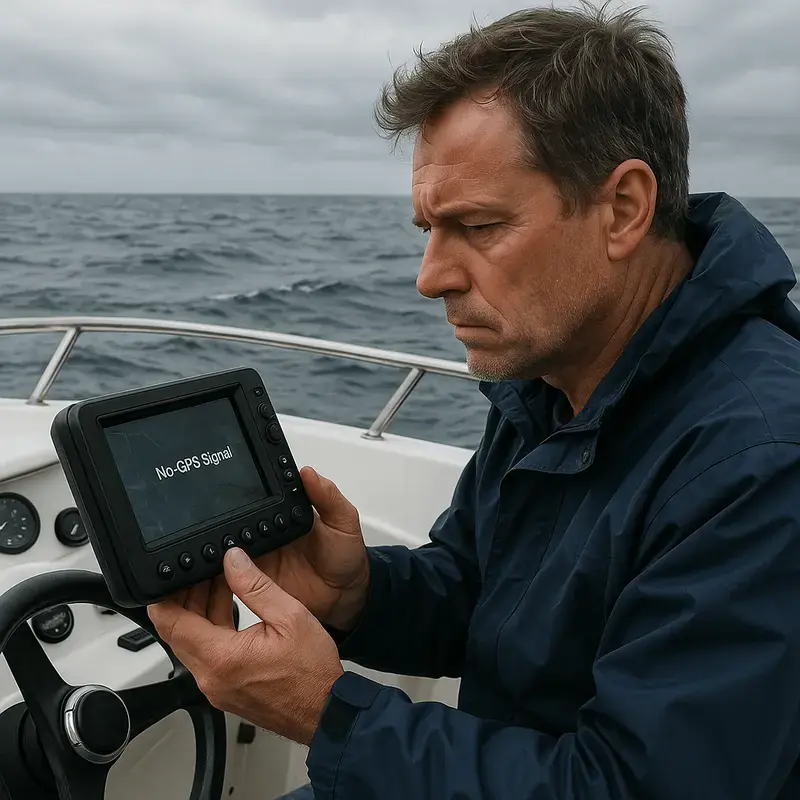
Most mariners don't realize their GPS dependencies until that first heart-stopping moment when the screen goes blank. The ocean suddenly feels bigger, the horizon less certain, and every wave a reminder that we're playing in nature's domain.
Signal Disruption Patterns That Matter
Not all signal losses are created equal. Understanding the pattern tells you everything about the problem. Intermittent drops every few minutes? That's different from complete blackouts that last hours.
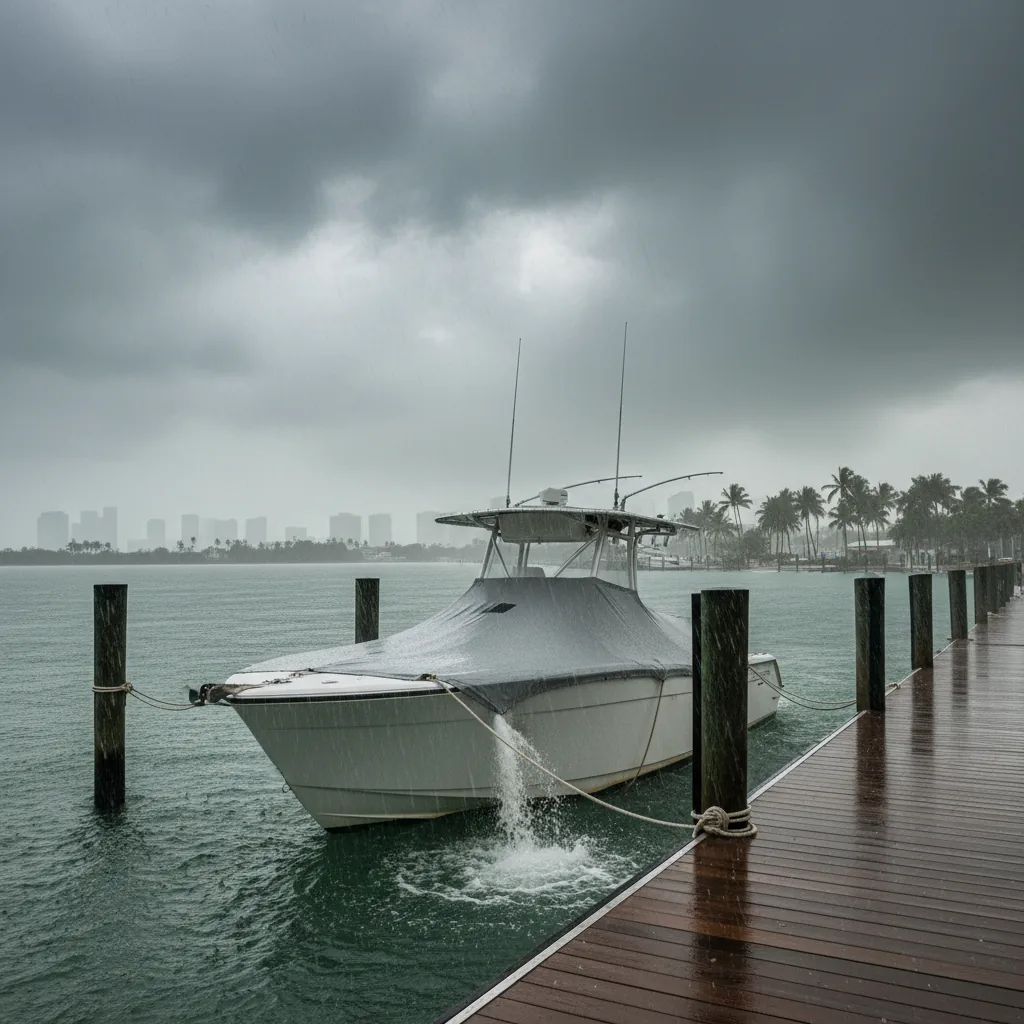
The maritime environment throws unique challenges at GPS systems that land-based users never encounter. Salt spray, electromagnetic interference from onboard systems, and the constant motion of the seas create a perfect storm for signal disruption.
- Consistent drops at regular intervals point to interference
- Random blackouts suggest hardware issues
- Complete signal loss could mean antenna problems
- Gradual degradation often indicates environmental factors
Hardware Solutions That Actually Work
The market floods us with quick fixes and band-aid solutions. But real hardware upgrades that matter follow a clear pattern of effectiveness. External antennas with proper elevation and clear sky view outperform integrated systems every time.
Professional-grade maritime GPS units aren't just about fancy screens and features. They're built with redundant systems, better signal processing, and military-grade components that handle the beating of offshore conditions.
- Marine-grade external antennas with proper mounting height
- Dual-system receivers that tap into multiple satellite networks
- Signal amplifiers designed for maritime environments
- Backup power systems with clean electrical output
The Backup System Hierarchy
Smart mariners build layers of redundancy into their navigation systems. It's not about having one backup - it's about having a cascade of options that kick in when primary systems fail.
The hierarchy starts with digital alternatives and works down to the basics. Each layer needs to operate independently, ensuring that a single point of failure can't take down your entire navigation capability.
- Secondary GPS units with independent power sources
- Traditional magnetic compasses and paper charts
- Celestial navigation tools and almanacs
- Local knowledge and visual navigation skills
Digital Integration That Makes Sense
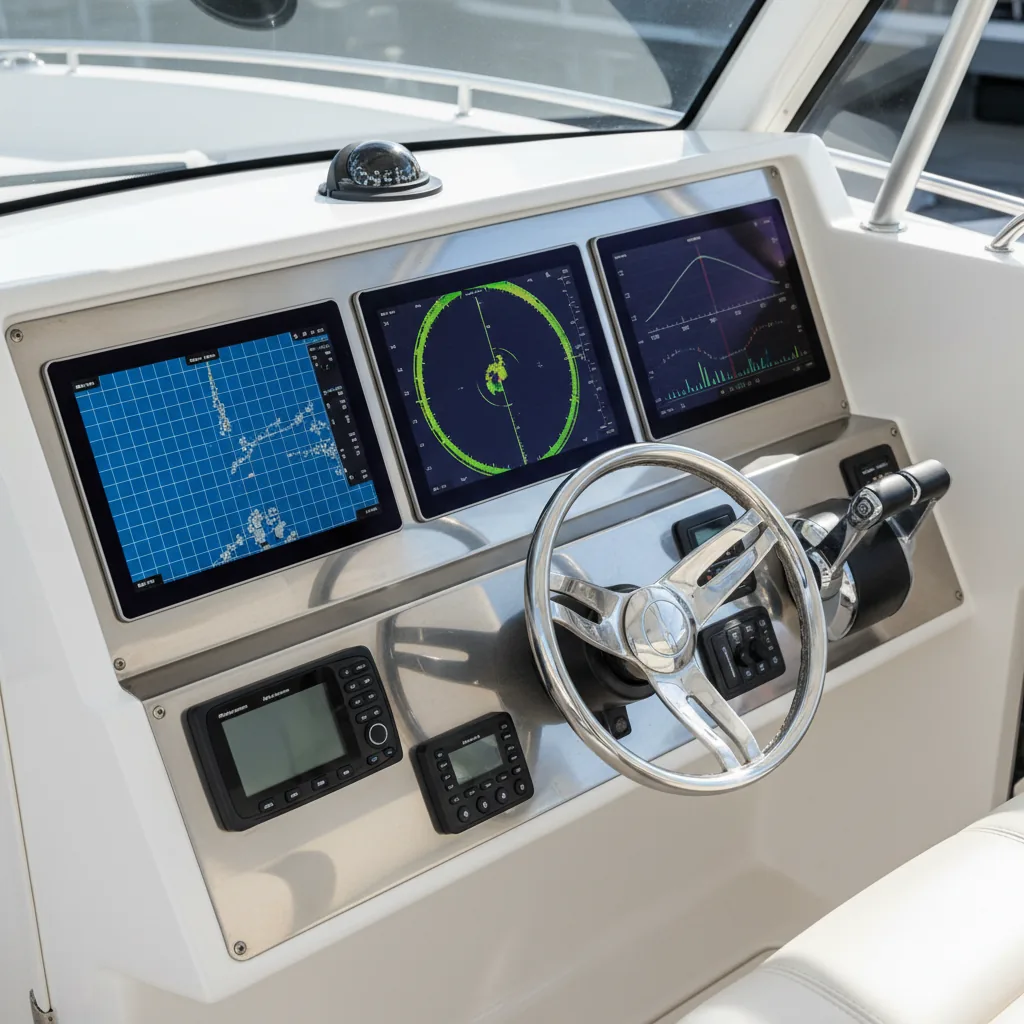
Modern marine electronics create powerful networks of integrated systems. But this integration needs to enhance reliability, not compromise it. Smart system design separates critical navigation functions from entertainment and comfort systems.
The best setups maintain independence while sharing data. When one system falters, others continue operating without disruption. This approach prevents cascading failures that could leave you completely blind offshore.
The Reality Check Protocol
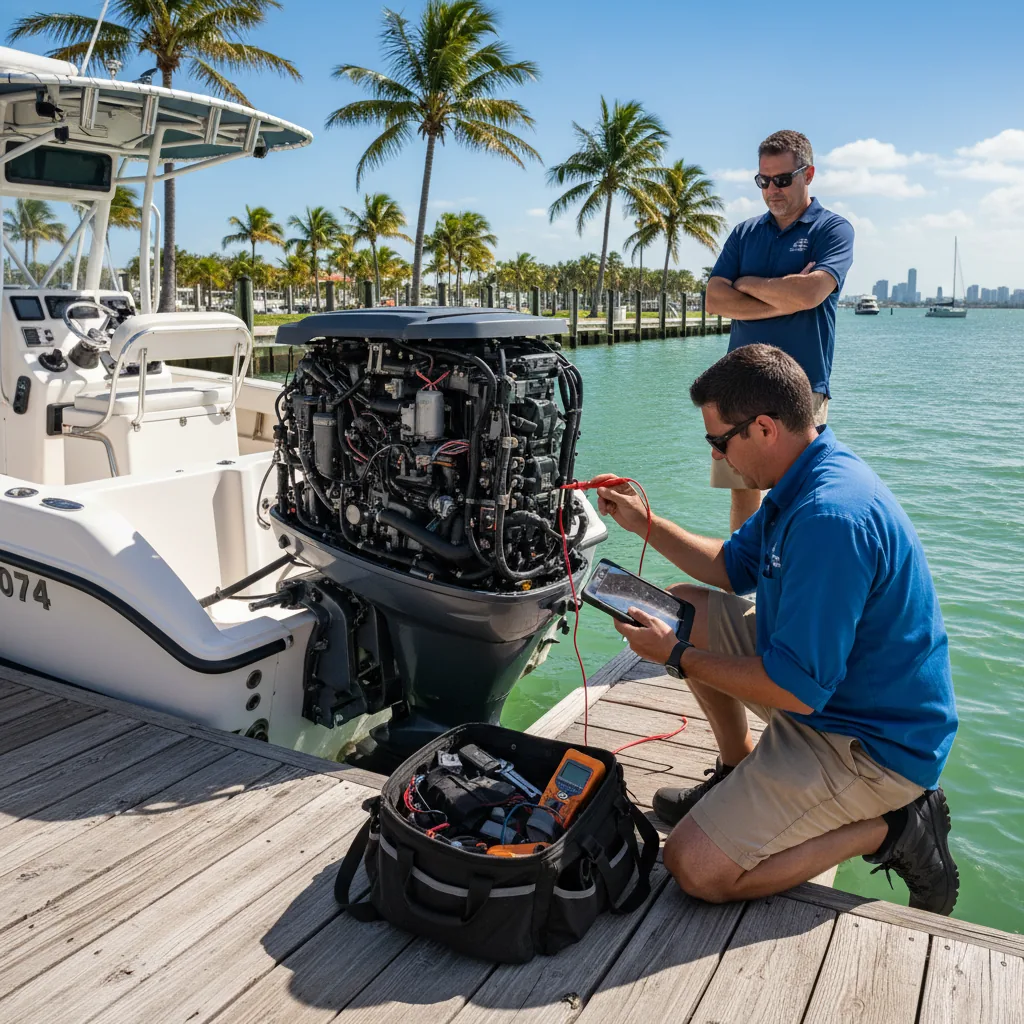
When signals drop, panic helps no one. A systematic approach to troubleshooting saves time and prevents costly mistakes. Start with the basics and work your way up through increasingly complex solutions.
Experience shows that most signal issues resolve through a methodical check of fundamental components. The key is knowing which steps to take and in what order.
- Verify power supply stability and connections
- Check antenna placement and cable integrity
- Monitor interference from other electronics
- Test backup systems before they're needed
The Future Proofing Formula
Technology evolves, but the principles of reliable navigation remain constant. Building a future-proof navigation system means investing in both modern technology and timeless skills.
The next generation of maritime GPS systems promises better reliability through improved satellite networks and more robust receivers. But the smart money still hedges bets with multiple layers of backup systems.
Merit wins in navigation just like it does everywhere else. The mariners who combine technical knowledge with practical skills, who maintain their equipment religiously, and who never stop learning - they're the ones who make it home every time, GPS signal or not.
Stay Confident on Open Water
When your GPS throws a curveball offshore, you need a team that understands the stakes and knows how to get you back on course. We’re here to help you keep your boat’s navigation sharp and your adventures stress-free. Give us a call at 305-290-2701 or Request Boat Repair or Service—let’s make sure you’re always ready to chase the horizon.
Frequently Asked Questions
Why does my marine GPS keep losing signal offshore?
The maritime environment throws challenges at GPS systems that land-based users never face. Salt spray, electromagnetic interference from onboard electronics, and the constant motion of the seas all create conditions for signal disruption. The pattern of the loss tells you a lot about the cause. Consistent drops at regular intervals usually point to interference from other equipment. Random blackouts often mean a hardware issue. Complete signal loss can indicate antenna problems, while gradual degradation typically traces back to environmental factors. Identifying the pattern is the first step toward fixing the root problem instead of chasing symptoms.
What hardware upgrades actually fix GPS signal problems?
External antennas mounted with proper elevation and a clear sky view consistently outperform integrated systems. From there, dual-system receivers that tap into multiple satellite networks add redundancy, and signal amplifiers designed for marine environments help in tough conditions. Backup power systems with clean electrical output prevent voltage noise from corrupting the signal. Professional-grade maritime GPS units use redundant systems, better signal processing, and military-grade components built to survive offshore conditions. Quick-fix gadgets and band-aid solutions rarely solve the underlying issue. Real upgrades follow a clear pattern of effectiveness rather than hype.
What backup navigation should I have if my GPS fails offshore?
Smart mariners build layered redundancy rather than relying on a single backup. Start with a secondary GPS unit on an independent power source so a single electrical fault can't take everything down. Below that, keep traditional magnetic compasses and paper charts on board so you have non-electronic options. Celestial navigation tools and almanacs provide a deeper fallback for extended trips. Local knowledge and visual navigation skills round out the system. Each layer needs to operate independently, so a single point of failure can't blind your navigation. Test your backups before you need them.
What should I do first when my GPS suddenly drops signal?
Don't panic. A systematic approach saves time and prevents costly mistakes. Start with the basics and work up. Verify power supply stability and check your connections first, since unstable voltage causes more failures than people expect. Next, check antenna placement and cable integrity for damage or loose fittings. Monitor for interference from other electronics that may have been switched on recently. Finally, test your backup systems so you're not learning their quirks during an emergency. Most signal issues resolve through this methodical check of fundamentals. Knowing the order of steps is what keeps a glitch from becoming a crisis.