The Safety Check That Comes First
Five minutes. That’s all it takes to confirm you’re legally ready and, more importantly, safe:
- Life jackets: Enough for everyone and easy to grab
- Fire extinguisher: Fully charged, not buried under gear
- Throwable flotation: Not stashed where no one can reach it
- Horn or whistle: Loud and working
- Navigation lights: Flip them on—even during the day
Don’t risk fines or worse. A simple checklist like this, laminated and zip-tied to your steering wheel, has kept dozens of our customers from learning lessons the hard way.
Engine + Fuel System Checks
- Oil: Check the dipstick before you leave—every time Learn more about outboard engine repair to avoid preventable failures.
- Coolant: Don’t ignore this, especially in South Florida’s heat
- Belts: Look, listen, and feel for tension or wear
- Fuel: Visually confirm levels—don’t trust the gauge
- Battery connections: Wiggle test. Loose = problems later
One client skipped the oil check. Engine seized halfway to Bimini. $20K mistake. Don’t be that guy.
Quick Electrical Check
- Battery switch: Make sure it’s on the right setting
- Electronics: GPS, VHF, depth finder—power everything up
- Bilge pump: Manual test before launch
- Lights: Confirm they’re working, not dim or flickering
- Trim tabs: Cycle through to confirm movement
Many electrical failures are avoidable. Flickering GPS before leaving shore? Solve it now, not 10 miles offshore. If you’re unsure, schedule a quick mobile diagnostic.
Leaks + Fluid Levels
- Bilge: Should be clean and mostly dry
- Fuel: Sniff test—if it smells, something’s wrong
- Oil: Check around the engine base for fresh drips
- Hydraulics: Steering fluid low? Top off or get checked
- Livewells: Confirm operation before heading out
Clean bilges aren’t just for looks. They help you spot leaks before they become disasters.
Hull + Drain Plug (Yes, Really)
- Drain plug: Put it in. Check again. Then check once more
- Through-hulls: Look for cracking or water seepage
- Scuppers: Should drain easily—clear any blockages
- Hull: Walk around for new scrapes or damage
- Swim ladder: Secure and operational
Pro tip: Snap a few photos of your hull before leaving the dock. It’s proof if damage is questioned later.
Trailer Checklist
- Tire pressure: Check with a gauge, not a guess
- Bearings: After driving, touch the hubs—too hot = trouble
- Lights: Confirm brake and turn signals work
- Chains: Crossed and latched
- Winch: No fraying, and locked tight
We’ve seen center consoles bouncing down I-95 because a winch strap snapped. Don’t be that horror story.
Weather + Planning
- Radar + forecast: Don’t just check current conditions
- Tides: Plan for safe entry/exit if near shallow zones
- Fuel range: 1/3 there, 1/3 back, 1/3 buffer
- Float plan: Tell someone where you’re headed
- Alternate route: In case storms show up fast
Miami weather flips quickly. What’s sunny at noon can be sketchy at 3 PM. Always build in backup time and routes. That goes for the rest of South Florida too—conditions can shift fast anywhere along the coast.
Gear Checklist
- Water: Way more than you think
- Sun protection: Hats, SPF 50+, long sleeves
- Phone charger: Don’t rely on just one battery
- Dock lines + fenders: Prepped and in reach
- First aid kit: Make sure it’s fully stocked
A “go box” with essentials that never leaves the boat? Game-changer. Keep it in a dry bag onboard.
What the Pros Should Handle
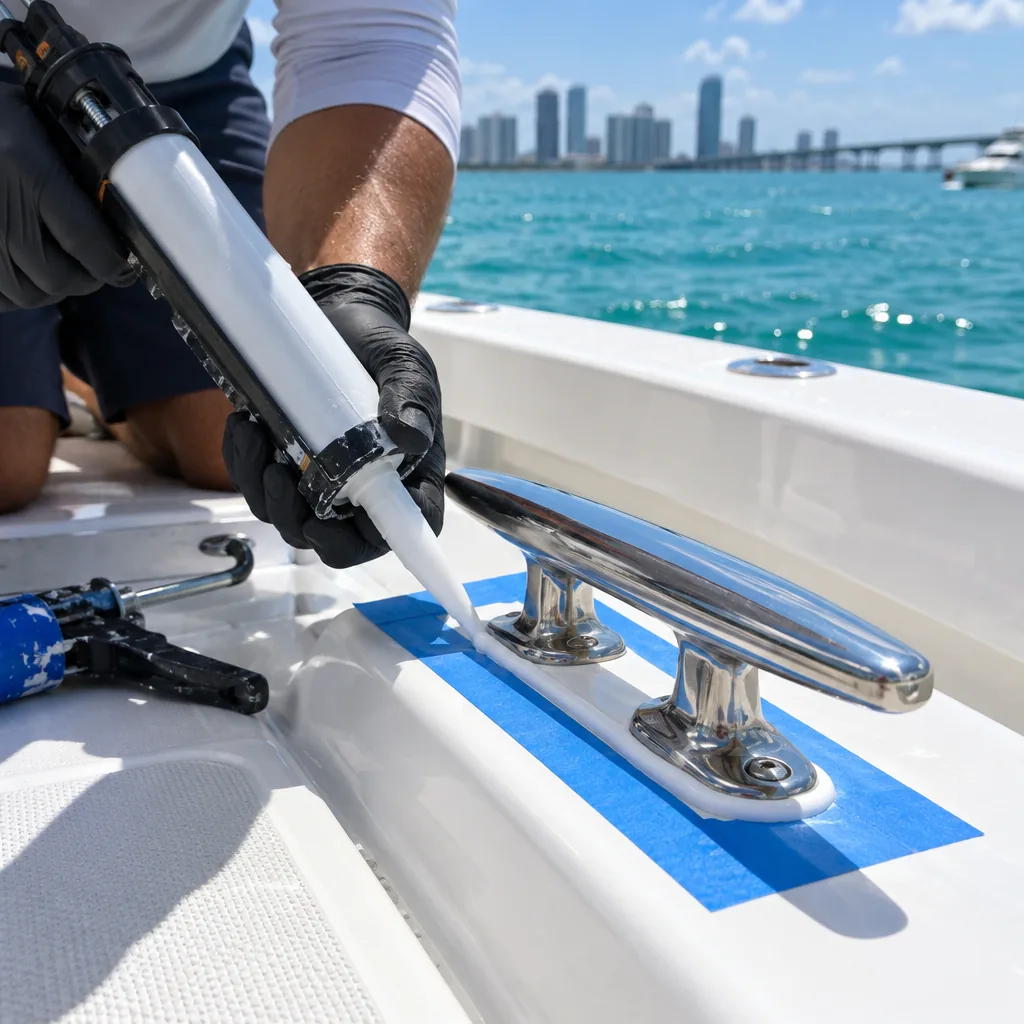
- Electrical repairs beyond switches or fuses
- Fuel lines and fittings
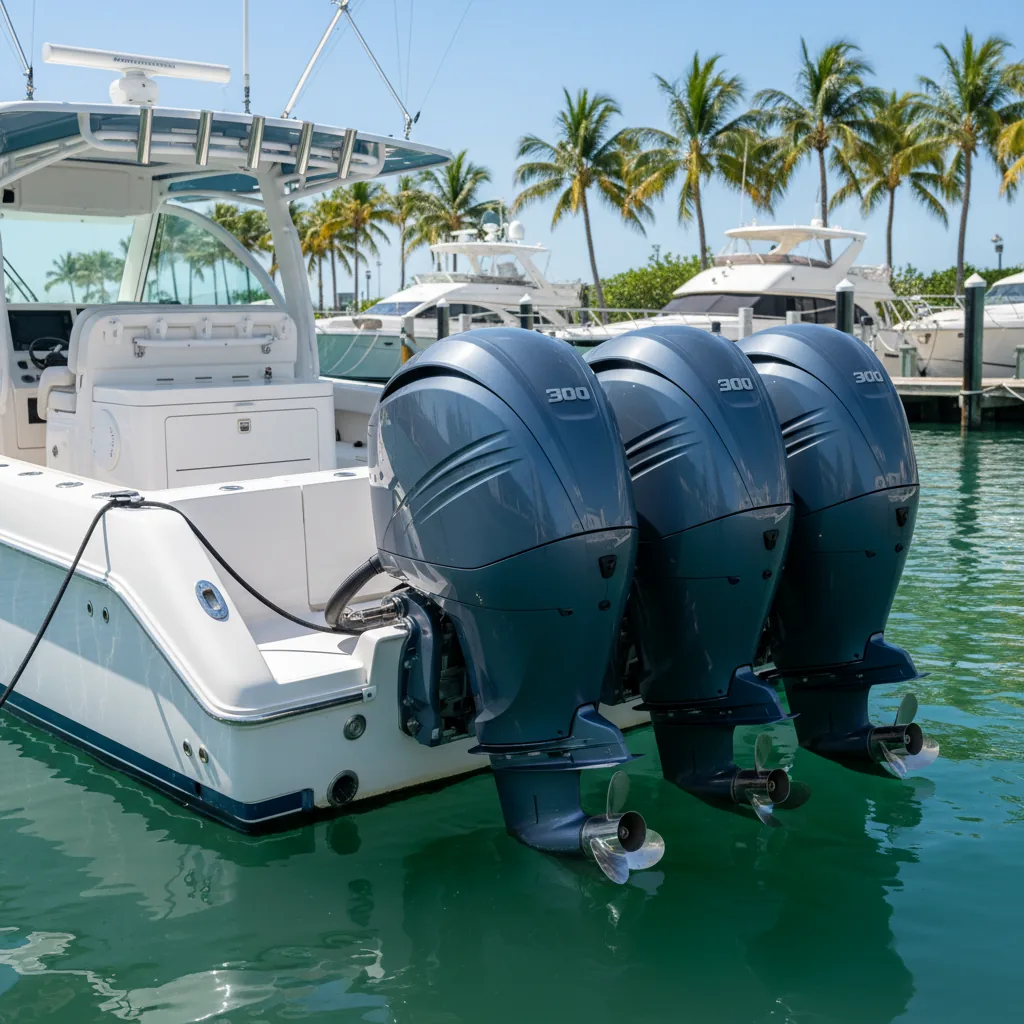
- Lower unit or outdrive service
- Propane installs or repairs
- Fiberglass damage or delamination
YouTube isn’t a substitute for experience. If it’s outside your comfort zone, call our marine techs. Our mobile crew works fast and clean, and we’ve seen it all before.
Seasonal Service Musts
- Engine service per factory schedule
- Zinc/anode replacement
- Full electrical load testing
- Fuel treatment and filter replacement
- Hull cleaning + bottom inspection
Routine service is cheaper than breakdowns. Protect your investment and enjoy peace of mind offshore—especially with year-round exposure in South Florida’s salt and sun.
Final Word: Create a Routine
Prepping your boat should become second nature. Make a simple, repeatable checklist. Keep it laminated. Keep it honest.
Still unsure about a smell, vibration, or system quirk before you leave the dock? Don’t guess—get help. Boat Repair Miami is ready to come to you. Call us at 305-290-2701 or request service online and let our team keep you running strong all season long throughout Miami and South Florida.