Saltwater Sticks Around
When your outboard cools down, the saltwater inside the cooling passages doesn’t just magically disappear—it settles, dries, and starts corroding from the inside out. Think of it like letting salt sit in your coffee machine overnight. Except instead of staining a countertop appliance, it’s chewing through your engine block, thermostat housing, and water pump housing.
- Salt crystallizes and restricts water flow
- Corrosion eats into metal components
- Thermostats and sensors can seize up from buildup
Even the best four-strokes aren’t immune. One missed flush might not kill your engine, but over time, those minerals harden and start causing trouble where you can’t see it—until it’s too late. Saltwater corrosion is a big reason we see so many outboard engine repairs in Miami every year.
Cooling System Problems Add Up
Modern outboards are smarter than ever, but they still depend on clean water to keep running temps steady. When salt builds up in your cooling system, that flow gets disrupted. Overheating becomes more likely, and it’s rarely something you’ll catch in time unless you're watching the temp gauge like a hawk.
Eventually, the impeller works harder to push through clogged passages, thermostats stay closed longer than they should, and your engine starts cooking itself from the inside. Once corrosion hits the block or cylinder head, repairs aren’t cheap—and sometimes, they’re not even possible. If you’ve ever wondered what to expect when your engine needs work, our engine repair process breaks it down.
Lower Unit Wear and Tear
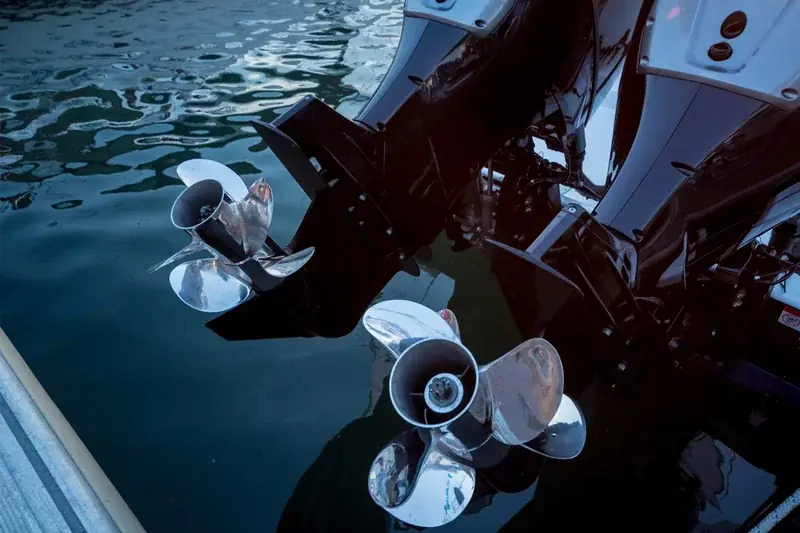
The flush isn't just about cooling. It also rinses out sand and debris that can work their way into your water pump and seals. If you’re beaching on the sandbar or running shallow, you’re pulling in a lot more grit than you think.
- Sand wears down impeller blades and water pump housing
- Saltwater dries and stiffens seals
- Internal bearings take the hit long before they fail completely
Once that wear starts, small leaks creep in. You might see milky gear oil during your next lower unit service—or worse, lose water flow on your next trip and wind up calling for a tow. These are the kinds of issues we see all the time with outboard motor repairs around Miami.
It Gets Worse When It Sits
Let’s say you skip flushing after your final trip of the season. Now your outboard sits for weeks or months with saltwater just marinating inside the cooling system. It’s a perfect storm: stagnant water, humidity, and residual heat create a corrosive cocktail that speeds up wear like nothing else.
By the time you pull the cover off in spring, the damage is already done. Cracked rubber, blocked cooling passages, and frozen thermostat housings are all common signs your engine didn't get rinsed when it should have. At that point, it’s not maintenance—it’s repair. If you’re not sure when to get your engine checked, our advice on how often to service your boat engine can help.
Flushing Takes Minutes, Repairs Take Weeks
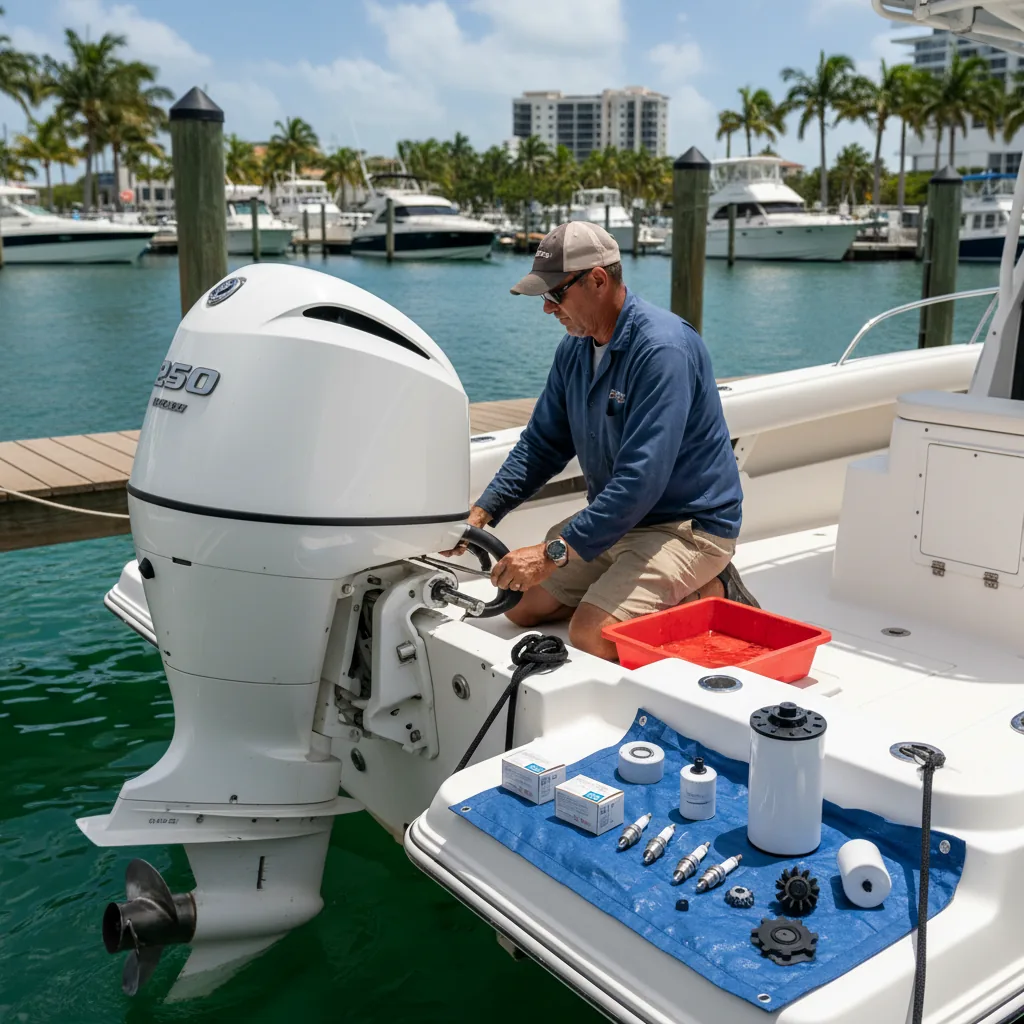
Here’s the simple truth: flushing your outboard after saltwater use is one of the easiest things you can do to protect your engine. All you need is a hose, five minutes, and a little consistency. Yet every season, we get calls from boaters with avoidable corrosion, overheating issues, or cooling system failure—all because flushing felt optional.
- Flush with fresh water after every saltwater trip
- Use earmuffs or the manufacturer’s built-in flush port
- Run the engine until it’s warm and flowing clean water
- Don’t forget the engine's internal anodes during routine 100-hour service
Salt doesn’t take a day off. And neither should your post-trip routine. If you want to keep your boat running smooth all year, our year-round boat maintenance is worth a look.
Need Help with a Clogged or Overheating Outboard?
If you’re dealing with weak water pressure, overheating, or a check engine light triggering OEM alarm codes, don’t wait for the problem to get worse. Contact Boat Repair Miami or call us at 305-290-2701 to schedule certified outboard engine service. We’ll diagnose the issue and get your cooling system back in shape—fast, honest, and right at your dock.
Frequently Asked Questions
What happens if you don't flush your outboard after saltwater use?
When your outboard cools down after saltwater use, the saltwater inside the cooling passages doesn't disappear - it settles, dries, and starts corroding the engine from the inside out. Salt crystallizes and restricts water flow, corrosion eats into metal components, and thermostats and sensors can seize from buildup. One missed flush probably won't kill an engine, but over time those minerals harden and cause damage you can't see until it's too late. Even modern four-strokes aren't immune, and saltwater corrosion is one of the leading reasons outboards end up needing serious repair work.
How does skipping a flush affect the cooling system?
Modern outboards depend on clean water flow to keep running temperatures steady. When salt builds up in the cooling system, that flow gets disrupted and overheating becomes much more likely - rarely something you'll catch in time unless you're watching the temperature gauge constantly. Eventually the impeller works harder pushing through clogged passages, thermostats stay closed longer than they should, and the engine starts cooking itself from the inside. Once corrosion reaches the block or cylinder head, repairs aren't cheap, and in some cases the damage can't be fully fixed at all.
Can not flushing my outboard damage the lower unit?
Yes - the flush isn't only about cooling. It also rinses out sand and debris that work into the water pump and seals, especially if you've been beaching on a sandbar or running shallow. Sand wears down impeller blades and water pump housing, dried saltwater stiffens seals, and internal bearings take a hit long before they actually fail. Once that wear starts, small leaks creep in. You may notice milky gear oil at your next lower unit service, or lose water flow on a trip and end up calling for a tow because the lower unit gave out.
What's the right way to flush a saltwater outboard?
Flushing your outboard after saltwater use is one of the easiest things you can do to protect your engine - just a hose, about five minutes, and a little consistency. Flush with fresh water after every saltwater trip using earmuffs or the manufacturer's built-in flush port. Run the engine until it's warm and clean water is flowing through. Don't forget to check internal anodes during regular service, since they sacrifice themselves to slow corrosion. A quick post-trip routine takes minutes, while ignoring it leads to repairs that can sideline a boat for weeks.