



Marine plumbing vents don't get much attention until something goes wrong. By then, you're dealing with odors that won't quit, tanks that won't drain, or pressure issues that turn a simple pump-out into a full-blown headache. These small components do heavy lifting in your boat's waste system, and ignoring them is a mistake that compounds fast.
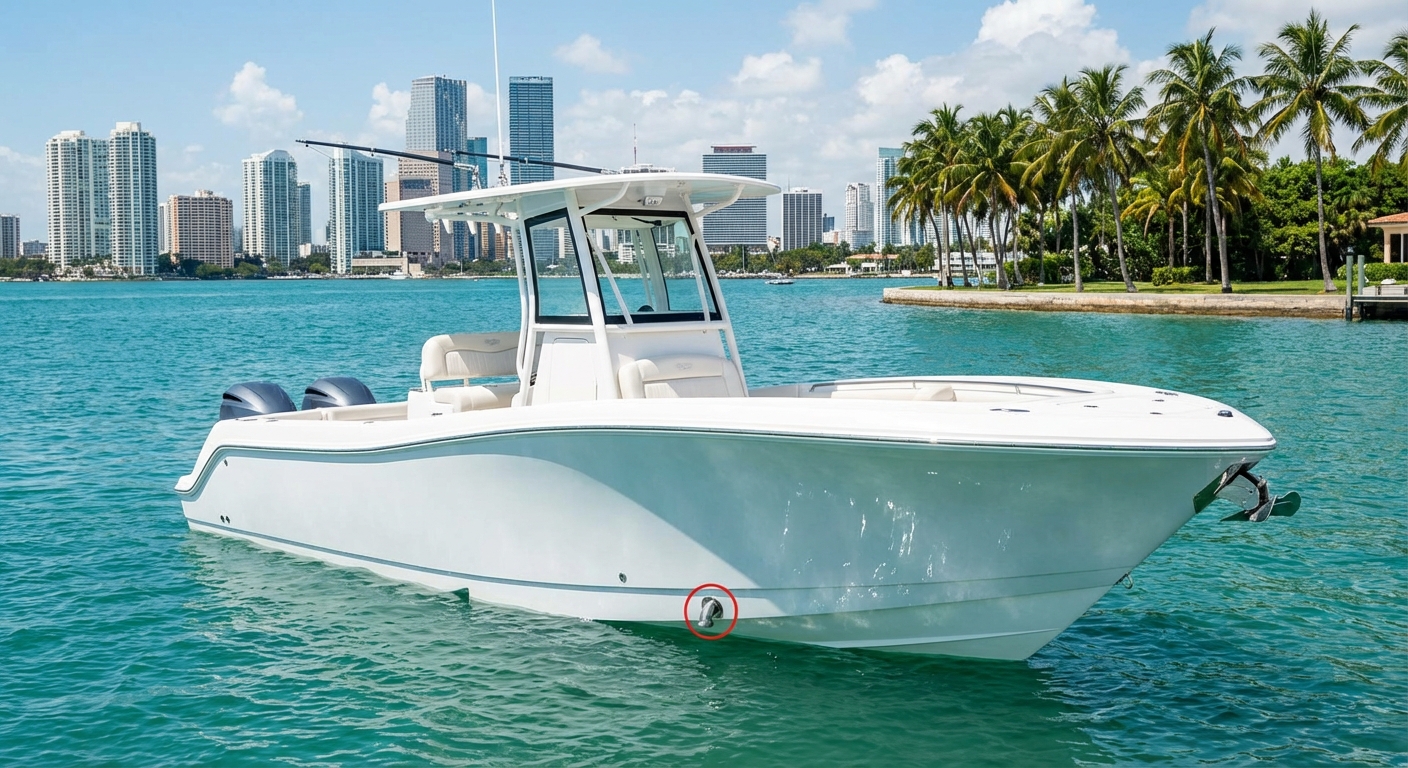
Most boat owners assume their plumbing works like the system at home. It doesn't. On land, gravity and municipal infrastructure handle most of the work. On a boat, you're managing a closed system in a moving, moisture-heavy environment where every component has to earn its place. Vents are the unsung workhorses that keep waste flowing, pressure balanced, and your cabin breathable. When they fail, the entire system suffers.
Vents Do More Than You Think
Marine plumbing vents exist to solve a problem that doesn't announce itself until it's too late. Every time waste moves through your system, air needs to replace the volume that's displaced. Without a vent, you create a vacuum. That vacuum slows drainage, traps gases, and puts stress on seals and fittings that weren't designed to handle it.
The vent's job is simple but critical. It equalizes pressure so waste can move freely and gases can escape outside the boat instead of seeping into your living space. A properly functioning vent means your holding tank empties efficiently, your pump doesn't labor, and your cabin stays free of the smells that make guests reconsider their invitation. When vents fail, every downstream component works harder, wears faster, and breaks sooner.
Blockages Happen Faster Than You'd Expect
Vent lines are narrow by design, which makes them vulnerable. Salt spray, insects, debris, and even crystallized waste can clog a vent in a single season. Once blocked, the system can't breathe. Drainage slows to a crawl, odors build up, and pressure imbalances start damaging hoses and fittings.
The worst part? Most blockages are invisible until they cause a problem. You won't see the wasp nest in your vent line or the salt buildup choking airflow. You'll just notice that your head takes longer to flush, or that a smell lingers no matter how much you clean. By the time symptoms appear, the blockage has been there for weeks.
- Salt crystals form when spray dries inside vent lines, gradually narrowing the passage
- Insects treat vent openings like prime real estate, building nests that completely block airflow
- Debris from deck work or nearby rigging can fall into poorly positioned vents
- Waste residue can dry and harden in vent lines if the system isn't flushed regularly
Placement Determines Performance
Where your vents sit matters more than most people realize. A vent installed too low or in a spot that catches spray will let water into the system. That water doesn't just sit there. It mixes with waste, creates sludge, and accelerates corrosion in fittings and tanks. It also makes blockages worse by turning dry debris into a paste that's harder to clear.
The best vent placements are high, away from spray zones, and positioned where airflow is consistent. If your vents are mounted near the waterline or in areas that get soaked during rough conditions, you're setting yourself up for recurring problems. Relocating a vent isn't always easy, but it's cheaper than replacing a corroded tank or dealing with chronic drainage issues.
Odor Control Starts at the Vent
Holding tank odors are a fact of boat ownership, but they shouldn't invade your cabin. When they do, the vent is usually the culprit. Either it's blocked, improperly installed, or the gases are being routed where they shouldn't go. A functioning vent directs those gases overboard, away from living spaces and air intakes.
Some boats come with vents that are barely adequate. They meet minimum standards but don't account for extended cruising, warmer climates, or larger holding tanks. Upgrading to a vent with a charcoal filter or a larger diameter line can make a measurable difference. Filters trap odor molecules before they escape, and larger lines reduce the chance of blockages while improving airflow.
- Charcoal filters absorb odor-causing gases before they exit the vent
- Larger diameter vent lines reduce blockage risk and improve system efficiency
- Vent placement near air intakes or hatches can pull odors back into the cabin
- Poorly sealed vent fittings leak gases into lockers and bilges
Inspection Beats Reaction Every Time
Most vent problems are preventable if you catch them early. A seasonal inspection takes minutes and saves you from dealing with a full system failure mid-season. Check the vent line for cracks, the fittings for corrosion, and the outlet for blockages. If you can't see through the vent line when you hold it up to light, it's time to clean it.
Cleaning a vent line isn't complicated. A flexible brush, some warm soapy water, and compressed air will clear most blockages. For stubborn clogs, a vinegar soak can dissolve salt and mineral buildup. The key is doing it before the blockage becomes total. Once a vent is completely clogged, you're looking at a much harder job that might involve removing the line entirely.
Screens Are a Small Fix with Big Returns
Installing a screen over your vent outlet is one of the easiest upgrades you can make. Screens keep insects out, block block large debris, and don't restrict airflow if you choose the right mesh size. They're inexpensive, easy to install, and they prevent the most common cause of vent blockages.
Not all screens are equal. Marine-grade stainless steel holds up better than plastic, and a mesh that's too fine will trap salt and reduce airflow. Look for screens designed specifically for marine vents. They're built to handle the environment and won't corrode or degrade after a season of exposure.
Pressure Imbalances Damage More Than Vents
When a vent fails, the pressure imbalance doesn't just affect drainage. It stresses every component in the plumbing system. Hoses can collapse or bulge, fittings can crack, and seals can fail. Pumps work harder and wear out faster. Tanks can even deform if the pressure differential gets extreme.
The damage isn't always immediate, but it's cumulative. A partially blocked vent might not stop your system from working, but it's slowly degrading every part of it. By the time you notice a problem, you're not just fixing the vent. You're replacing hoses, fittings, and possibly the pump. The cost of ignoring a vent issue multiplies fast.
Upgrades Pay for Themselves
If your boat's plumbing system is older or you're dealing with recurring vent issues, upgrading is worth the investment. Modern vent fittings are more durable, easier to maintain, and better at controlling odors. Adding a charcoal filter or switching to a larger vent line can eliminate problems that have plagued your boat for years.
The best upgrades are the ones that match your usage. If you cruise in warm climates or keep your boat in a slip for extended periods, odor control becomes more important. If you're in saltwater, corrosion resistance matters more. Talk to a marine plumber or your boat's manufacturer about what makes sense for your setup. The right upgrade solves the problem permanently instead of just masking it.
- Charcoal filters reduce odors without restricting airflow or requiring frequent replacement
- Larger vent lines improve drainage speed and reduce the risk of blockages
- Corrosion-resistant fittings last longer in saltwater environments
- Vent relocation can solve placement issues that cause recurring problems
- Dual vent systems provide redundancy and improve overall system performance
Water Intrusion Is a Silent Killer
Vents that allow water into the system create problems that go beyond drainage. Water mixes with waste, accelerates corrosion, and creates an environment where bacteria thrive. It also makes blockages harder to clear and increases the frequency of pump-outs. Over time, water intrusion can damage the holding tank itself, leading to leaks that are expensive and unpleasant to fix.
Preventing water intrusion starts with proper vent placement and continues with regular inspection. Check for cracks in vent lines, loose fittings, and any signs of water pooling near vent outlets. If your vent is positioned where it catches spray, consider relocating it or adding a check valve that allows air to escape but prevents water from entering.
Maintenance Is Measured in Minutes, Not Hours
Keeping your vents functional doesn't require a major time commitment. A quick inspection every few months and a thorough cleaning once or twice a season is enough to prevent most problems. The work is straightforward, the tools are basic, and the payoff is a system that works reliably without surprises.
The alternative is reactive maintenance, which always costs more. Waiting until a vent fails means dealing with odors, slow drainage, and potential damage to other components. It also means your boat is out of commission while you source parts and make repairs. Spending a few minutes on prevention beats spending hours on fixes.
Fittings Fail When You Ignore Them
Vent fittings are exposed to harsh conditions. Salt, UV, and constant temperature changes take a toll. Plastic fittings crack, metal fittings corrode, and seals degrade. A fitting that looks fine on the surface might be brittle or compromised underneath. When it fails, it can leak odors, allow water intrusion, or disconnect entirely.
Inspecting fittings means more than a visual check. Flex the hose connections, look for discoloration or brittleness, and test the seal by hand. If a fitting feels loose or shows signs of wear, replace it before it fails. Fittings are cheap, and swapping one out takes minutes. Dealing with a failure at sea or in the middle of a trip is a different story.
The System Only Works When Every Part Does
Marine plumbing is a chain, and vents are a critical link. When they fail, the entire system suffers. Drainage slows, odors build, pressure imbalances damage components, and your boat becomes less pleasant to use. The fix is almost always simpler than the problem it prevents.
We've seen too many boat owners ignore vents until they're forced to deal with a full system overhaul. The ones who stay ahead of it spend less, stress less, and enjoy their boats more. Vents aren't glamorous, but they're essential. Treat them that way, and your plumbing system will reward you with years of reliable, odor-free performance.
Ready for Smooth Sailing?
When it comes to keeping your boat’s plumbing running clean and trouble-free, a little attention goes a long way. If you want to avoid the headaches and get back to enjoying your time on the water, let’s make sure your system is in top shape. Call us at 305-290-2703 or Request Boat Repair or Service—we’re here to help you cruise with confidence.


.png)