


A marine survey stands between you and a catastrophic purchase. Right now, before you hand over a check for that boat, the quality of that inspection determines whether you're buying a vessel or a floating money pit. Most buyers treat the survey like a formality, a box to check before closing. That's a mistake. A weak survey won't catch the problems that matter, and by the time you discover them, the seller is long gone and your wallet is significantly lighter.
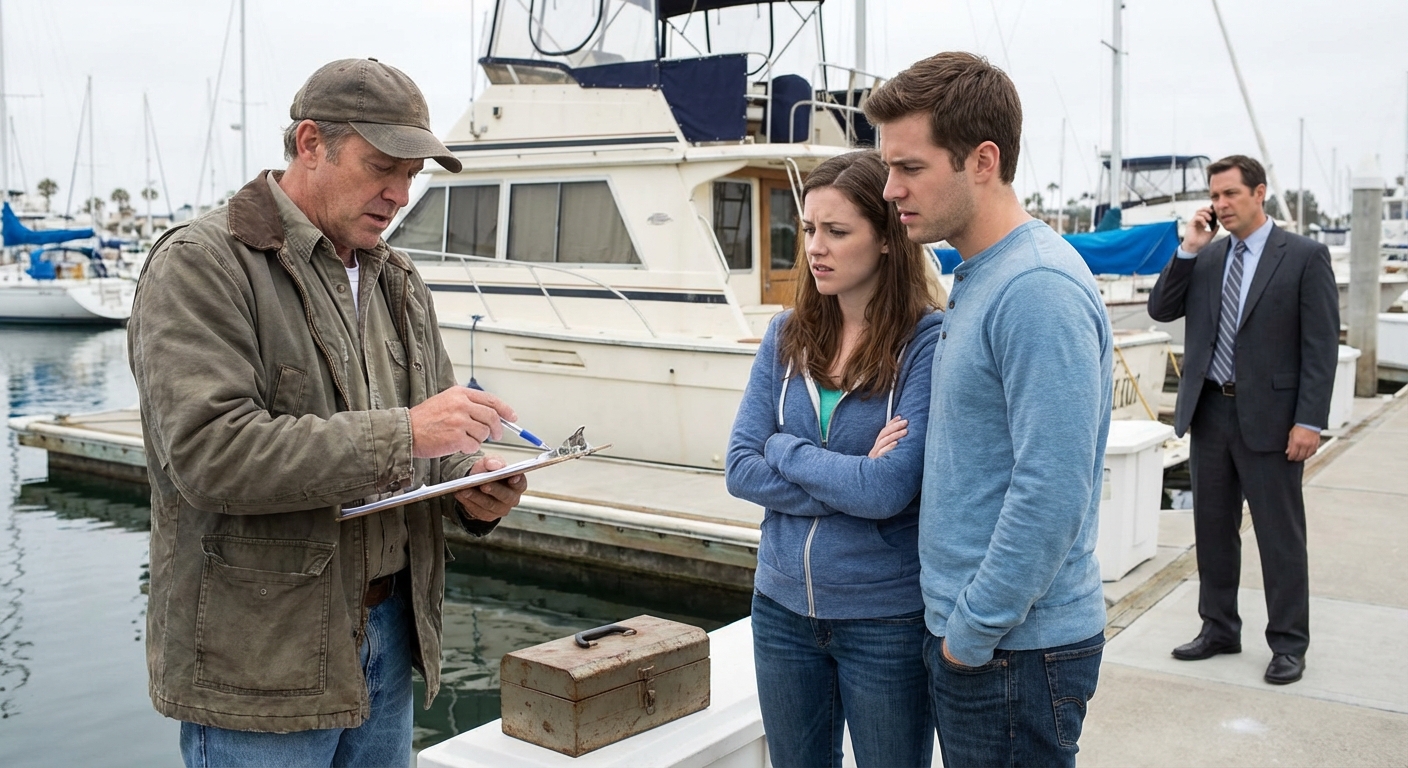
The difference between a solid survey and a garbage one isn't subtle. It shows up in the details, the effort, the tools used, and the depth of the final report. We've seen buyers ignore warning signs because they were eager to close the deal, only to face five-figure repair bills within months. The surveyor you hire isn't just documenting condition—they're your last line of defense against hidden damage, structural flaws, and safety hazards. Miss the red flags in their work, and you'll pay for it on the water.
Credentials Separate Professionals from Pretenders
The marine survey industry has no universal licensing requirement, which means anyone can call themselves a surveyor and start charging for inspections. That's a problem. Without proper accreditation, you're trusting someone who may lack the training, experience, or insurance to back up their findings. The best surveyors hold certifications from recognized organizations like SAMS or NAMS, and they specialize in the type of vessel you're considering. A surveyor who inspects sailboats all day may not catch the nuances of a sportfisher's engine room, and vice versa.
Beyond credentials, experience matters. A surveyor who's been in the field for decades has seen every type of failure, every common defect, and every creative way sellers try to hide problems. They know where to look, what tools to use, and which issues are deal-breakers versus manageable repairs. If your surveyor can't produce proof of certification, doesn't carry professional liability insurance, or has no track record with your boat type, walk away. You're not hiring someone to take a casual stroll around the deck—you're hiring an expert to protect a major investment.
Surface-Level Inspections Miss Everything That Counts
A thorough marine survey takes time. The surveyor should be crawling into bilges, pulling up hatches, testing systems, and using diagnostic equipment to measure moisture, check electrical continuity, and assess structural integrity. If your surveyor shows up without a moisture meter, thermal imaging camera, or basic testing tools, that's a red flag. If they spend more time chatting with the broker than inspecting the boat, that's another. A proper survey isn't a quick walkthrough—it's a methodical examination of every accessible component.
Watch how the surveyor approaches the inspection. Do they check the hull for blisters, delamination, and stress cracks? Do they test every through-hull fitting, seacock, and hose clamp? Do they inspect the rigging, sails, and standing rigging on a sailboat, or the engine mounts, fuel system, and exhaust on a powerboat? A bad surveyor will glance at the obvious stuff and call it a day. A good one will dig deeper, looking for the problems that aren't immediately visible but will cost you thousands down the road.
The Report Reveals the Surveyor's Real Value
The survey report is where everything comes together. A quality report is detailed, organized, and packed with photos that document every finding. It should include a summary of the vessel's overall condition, a breakdown of systems and components, specific defects or concerns, and recommendations for repairs or further evaluation. If the report is thin, vague, or missing critical sections, the surveyor didn't do their job. Phrases like "appears satisfactory" or "no major issues observed" without supporting evidence are worthless. You need specifics—measurements, observations, and clear explanations of what's wrong and why it matters.
A strong report also prioritizes issues. Not every defect is a deal-breaker, but you need to know which problems require immediate attention and which can wait. The surveyor should distinguish between cosmetic wear, routine maintenance items, and serious structural or safety concerns. If the report lumps everything together without context, you're left guessing about what's urgent and what's not. That ambiguity can lead to poor decisions, either walking away from a solid boat over minor issues or buying a disaster because the real problems were buried in vague language.
Sea Trials and Haul-Outs Aren't Optional
A boat sitting at the dock looks different than a boat under load. The sea trial is where you discover how the engine performs, how the systems function, and whether the vessel handles as it should. A surveyor who skips the sea trial is missing half the picture. Engine problems, transmission issues, steering malfunctions, and electrical failures often only show up when the boat is running. If the surveyor doesn't insist on a sea trial, or if the seller refuses to allow one, that's a massive warning sign.
The haul-out is equally critical. You can't properly inspect the hull, running gear, or bottom paint while the boat is in the water. Blisters, osmosis, propeller damage, shaft alignment issues, and through-hull corrosion are all hidden below the waterline. A surveyor who says a haul-out isn't necessary is either lazy or incompetent. The cost of hauling the boat is a fraction of what you'll spend fixing problems that weren't caught because the surveyor didn't bother to look. Insist on both a sea trial and a haul-out, and if the surveyor or seller pushes back, walk away from the deal.
Conflicts of Interest Poison the Process
The surveyor works for you, not the seller, not the broker, and not the marina. If the surveyor was recommended by the seller or seems overly friendly with the broker, that's a conflict of interest. A surveyor who wants repeat business from brokers or sellers has an incentive to downplay problems and keep deals moving. That's not the person you want inspecting your boat. Hire your own surveyor, someone with no ties to the transaction, and make sure they understand their loyalty is to you.
Watch the surveyor's behavior during the inspection. Are they asking tough questions, or are they making small talk and avoiding uncomfortable topics? Do they seem rushed, or are they taking their time to document everything? A surveyor who's more concerned with keeping the seller happy than giving you an honest assessment is worse than no surveyor at all. You're paying for an unbiased evaluation, and anything less is a waste of money.
Cheap Surveys Cost More in the Long Run
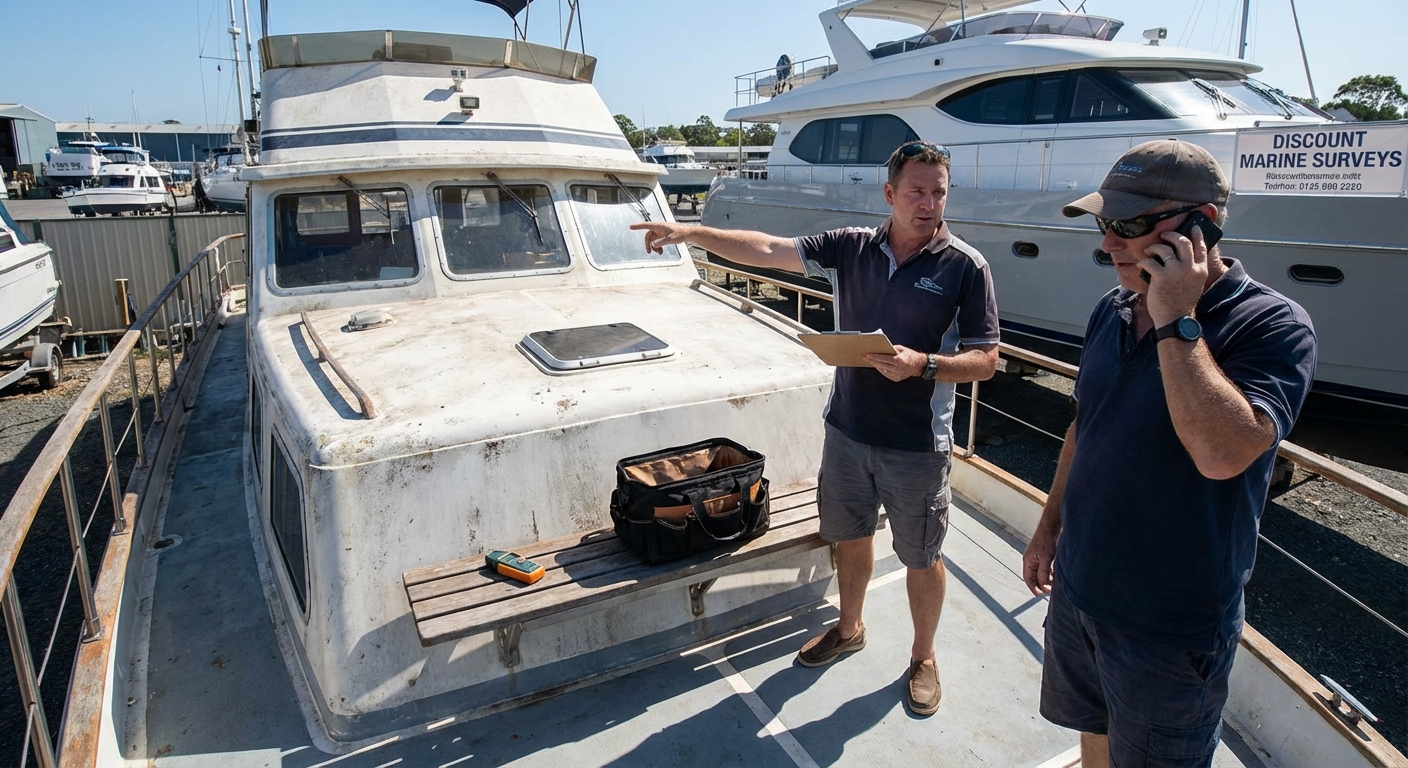
Marine surveys aren't cheap, and they shouldn't be. A comprehensive inspection requires time, expertise, and specialized equipment. If you find a surveyor charging significantly less than the market rate, there's a reason. They're either cutting corners, lacking experience, or uninsured. A low price might seem appealing upfront, but it's a false economy. The money you save on the survey will be dwarfed by the repair costs you'll face when the cheap surveyor misses critical defects.
Quality surveyors charge what they're worth because they deliver value. They catch problems that would cost you tens of thousands to fix. They provide documentation that helps you negotiate price or walk away from a bad deal. They give you peace of mind that the boat you're buying is what the seller claims it is. Trying to save a few hundred dollars on the survey is one of the dumbest decisions a buyer can make. Pay for quality, or pay for repairs—those are your options.
Vague Answers Mean Hidden Problems
A professional surveyor should be able to explain their findings in plain language. If you ask a question and get a vague, evasive, or overly technical answer, that's a problem. Either the surveyor doesn't understand the issue well enough to explain it, or they're trying to avoid giving you bad news. A good surveyor will walk you through their concerns, show you the evidence, and help you understand the implications. They'll answer your questions directly and honestly, even if the answers aren't what you want to hear.
Don't be afraid to push for clarity. If the surveyor says something is "worn" or "needs attention," ask them to quantify it. How worn? How soon does it need attention? What will it cost to fix? If they can't or won't provide specifics, they're not doing their job. You're not paying for vague impressions—you're paying for actionable information that helps you make a smart decision.
Red Flags You Can't Ignore
Certain warning signs should immediately disqualify a surveyor. If they show up without proper tools, skip critical areas of the boat, refuse to perform a sea trial or haul-out, or deliver a report that's incomplete or poorly written, you've hired the wrong person. If they have ties to the seller or broker, lack proper credentials, or can't explain their findings, the survey is worthless. These aren't minor issues—they're fundamental failures that undermine the entire purpose of the inspection.
Here's what should make you walk away from a surveyor before they even start:
- No accreditation from SAMS, NAMS, or equivalent organizations
- No professional liability insurance or proof of coverage
- Limited or no experience with your specific boat type
- Unwillingness to perform a sea trial or haul-out
- Connections to the seller, broker, or marina selling the boat
And here's what should make you reject a survey after it's completed:
- Missing sections or incomplete documentation
- Few or no photos supporting the findings
- Vague language without specific measurements or observations
- No prioritization of defects or repair recommendations
- Failure to identify obvious problems you noticed yourself
How to Hire the Right Surveyor
Finding a quality surveyor takes effort, but it's worth it. Start by asking for recommendations from other boat owners, marine insurance companies, or lending institutions—not from the seller or broker. Check the surveyor's credentials, read reviews, and ask for sample reports to see the level of detail they provide. Interview multiple surveyors if necessary, and don't be afraid to ask tough questions about their experience, methodology, and what's included in their inspection.
Once you've hired a surveyor, stay involved in the process. Attend the inspection if possible, and watch how they work. Ask questions as they go, and take notes on their findings. A good surveyor will welcome your presence and use it as an opportunity to educate you about the boat. If they seem annoyed or try to rush you off, that's another red flag. The survey is your chance to learn everything about the vessel before you buy it—don't waste it by staying on the sidelines.
What a Quality Survey Should Include
A comprehensive marine survey covers every major system and component of the boat. The surveyor should inspect the hull for damage, blisters, and structural integrity. They should check the deck for soft spots, delamination, and hardware issues. They should test the engine, transmission, and drive system under load during a sea trial. They should evaluate the electrical system, plumbing, fuel system, and safety equipment. They should inspect the rigging and sails on a sailboat, or the steering and controls on a powerboat.
Here's what should be included in every marine survey:
- Detailed hull inspection, including moisture readings and structural assessment
- Engine and mechanical systems evaluation, including sea trial performance
- Electrical system testing, including battery condition and wiring integrity
- Plumbing and through-hull inspection, including seacocks and hoses
- Safety equipment review, including fire extinguishers, flares, and life jackets
The final report should also include:
- Comprehensive photo documentation of all findings
- Specific measurements and observations for each defect
- Prioritized list of repairs, from critical to cosmetic
- Estimated costs for major repairs or replacements
- Recommendations for further evaluation by specialists if needed
When to Walk Away from a Deal
Sometimes the survey reveals problems so serious that the smart move is to walk away. Major structural damage, severe engine issues, or extensive rot can turn a boat into a money pit. If the surveyor identifies defects that would cost more to repair than the boat is worth, or if the seller refuses to address critical safety concerns, don't let emotion override logic. There are other boats, and no deal is worth compromising your safety or financial stability.
Even if the problems aren't catastrophic, a bad survey should make you reconsider. If the surveyor missed obvious issues, delivered a weak report, or failed to perform a thorough inspection, you don't have the information you need to make a smart decision. In that case, the right move is to hire a different surveyor and start over. It's frustrating and it costs more money, but it's better than buying a boat based on incomplete or inaccurate information.
The Survey Is Your Leverage
A solid survey report gives you negotiating power. If the surveyor identifies defects, you can use that information to request repairs, ask for a price reduction, or walk away if the seller won't budge. The survey protects you from overpaying for a boat with hidden problems, and it gives you documentation to support your position. Without a quality survey, you're negotiating blind, and the seller holds all the cards.
Don't be afraid to use the survey results to your advantage. If the boat needs significant work, get quotes for the repairs and present them to the seller. If the seller refuses to negotiate, that tells you something about their honesty and the true condition of the boat. A seller who's confident in their vessel will work with you to address legitimate concerns. A seller who stonewalls or gets defensive is probably hiding something worse.
Trust the Process, Not the Price Tag
Buying a boat is exciting, and it's easy to let enthusiasm cloud your judgment. The survey is where reality meets expectation, and a good surveyor will tell you the truth even if it's not what you want to hear. Trust the process, invest in quality, and don't cut corners. The few hundred dollars you spend on a thorough survey could save you from a disaster that costs tens of thousands to fix.
The best boat buyers are the ones who walk away from bad deals. They're the ones who hire qualified surveyors, attend the inspection, read the report carefully, and make decisions based on facts rather than emotion. They understand that a marine survey isn't just a formality—it's the most important step in the buying process. Get it right, and you'll enjoy years of trouble-free boating. Get it wrong, and you'll spend those years wishing you'd paid more attention to the warning signs. Understanding hidden saltwater damage and recognizing serious hull damage are critical skills that separate smart buyers from those who end up with expensive problems. If you need professional help evaluating a vessel or addressing issues discovered during inspection, working with experienced boat repair specialists can provide the expertise necessary to make informed decisions and protect your investment.
Let’s Make Your Next Boat Purchase a Smart One
We know how much is riding on your next boat purchase, and we’re here to help you avoid costly mistakes. If you want a second opinion on a survey, need repairs after an inspection, or just want peace of mind before closing the deal, let’s talk. Call us at 305-290-2701 or Request Boat Repair or Service—we’re ready to help you buy with confidence and keep your boat in top shape.


.png)