



Most boat owners treat the bilge like a basement they never visit. They know it's there, they know it collects water, and they know it probably smells. But beyond the occasional pump-out or quick rinse, ventilation and odor control rarely make the priority list. That's a mistake. The bilge isn't just a catch basin—it's a system that needs airflow, maintenance, and attention. Ignore it, and you're not just dealing with bad smells. You're inviting corrosion, mold, electrical failures, and a boat that feels like it's rotting from the inside out.
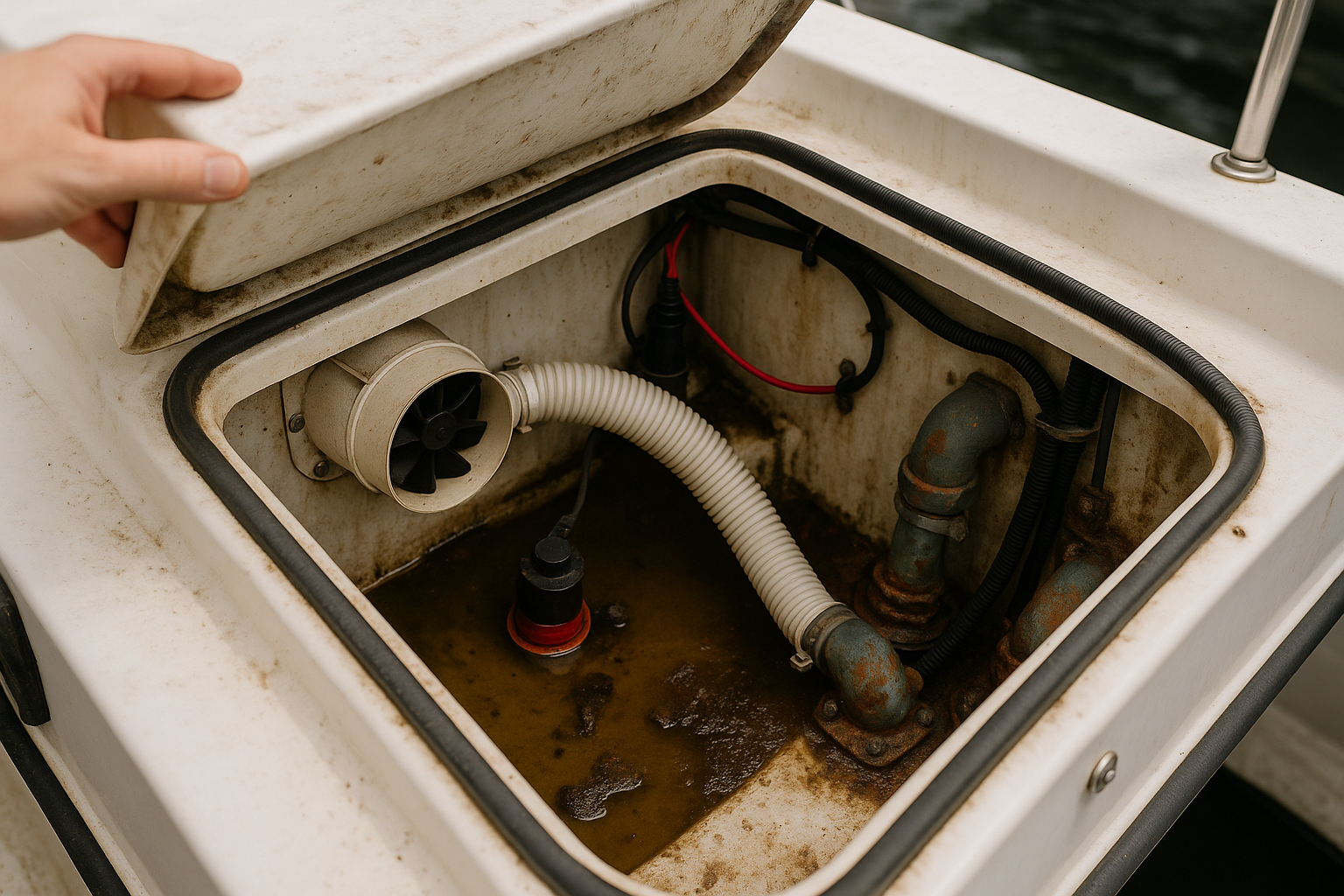
We've spent enough time around docks and marine service operations to know this isn't a niche problem. It's widespread. Owners assume a clean bilge equals a healthy bilge, but that's only half the equation. Without proper ventilation, moisture lingers. Bacteria multiply. Odors return within days. And the longer you wait, the harder it becomes to fix. The bilge might be hidden, but its condition affects everything above it.
Stagnant Air Creates Bigger Problems Than Smell
When air doesn't move through the bilge, moisture has nowhere to go. It sits. It soaks into foam, fiberglass, and wiring. It creates the perfect environment for mold and mildew to thrive. These aren't just cosmetic issues. Mold spores circulate through the cabin. Mildew eats away at materials. Corrosion starts on metal components, including engine mounts, fasteners, and electrical connections. What begins as a musty smell can escalate into mechanical failures that cost thousands to repair.
Ventilation isn't a luxury feature—it's a necessity. Boats are designed to handle water, but they're not designed to trap it. The bilge needs airflow to dry out between uses, especially in humid climates or after heavy rain. Passive vents help, but they're often insufficient. Active ventilation systems—bilge blowers, exhaust fans, or solar-powered vents—move air more effectively and prevent the stagnant conditions that lead to long-term damage. If your boat doesn't have adequate ventilation, you're fighting a losing battle every time water enters the bilge.
Cleaning Without Drying Is Wasted Effort
Scrubbing the bilge feels productive. You pump out the water, spray down the surfaces, maybe use a degreaser or bilge cleaner, and call it done. But if you're not drying the area afterward, you've only solved half the problem. Moisture clings to every surface—foam insulation, fiberglass stringers, hidden corners where the pump can't reach. Within hours, bacteria start multiplying again. Within days, the smell returns. The cycle repeats because the root cause—trapped moisture—was never addressed.
Drying the bilge requires more than just letting it sit. It requires airflow. After cleaning, run a bilge blower or position a fan to circulate air through the compartment. If your boat has foam insulation in the bilge, check its condition. Waterlogged foam never fully dries on its own, and it becomes a permanent source of odor and mold. In many cases, removing and replacing saturated foam is the only real solution. It's not glamorous work, but it's the difference between a bilge that stays clean and one that smells like a swamp no matter how often you scrub it.
The Petri Dish Conditions Most Boaters Ignore
Bilges are dark, damp, and full of organic material—oil residue, fuel traces, dead insects, bits of vegetation that wash in through deck drains. Add stagnant water, and you've created a petri dish. Bacteria thrive in these conditions, breaking down organic matter and releasing the sulfuric, rotten-egg smell that defines a neglected bilge. The odor isn't just unpleasant—it's a sign of active decomposition. The longer it goes unchecked, the worse it gets.
Most owners don't realize how quickly these conditions develop. A boat that sits for a week in warm weather can go from clean to foul-smelling in that time. A boat that sits for a month without ventilation? The bilge becomes a biohazard. The smell permeates cushions, carpets, and storage compartments. It's not something you can can mask with air fresheners or cover up with scented sprays. You have to eliminate the source, and that means addressing both the organic material and the moisture that allows bacteria to flourish.
Airflow Isn't Optional, It's the Standard
Every boat should have a ventilation strategy for the bilge. That doesn't mean hoping for the best or cracking a hatch when you remember. It means installing systems that actively move air through the lowest compartments of the vessel. Bilge blowers are standard on many boats, but they're often undersized or poorly positioned. A single blower might not be enough for a larger vessel, especially if the bilge is divided into multiple compartments. Each section needs airflow, or you'll end up with dead zones where moisture accumulates.
Solar-powered vents are another option, particularly for boats that sit at the dock for extended periods. They run continuously without draining the battery, pulling stale air out and allowing fresh air to circulate. Passive vents—cowls, dorade boxes, or simple through-hull vents—help, but they rely on wind and temperature differentials to function. In calm conditions or hot weather, they're not enough. Active systems give you control. They ensure air moves regardless of external conditions, and that's what keeps the bilge dry.
Moisture Management Is Mold Prevention
Mold doesn't need much to grow. It needs moisture, organic material, and time. The bilge provides all three in abundance. Once mold establishes itself, it spreads quickly. It colonizes foam, wood, and fabric. It releases spores into the air, which circulate through the cabin and can cause respiratory issues for anyone on board. Removing mold is difficult and often requires professional remediation, especially if it's infiltrated porous materials like foam insulation or wooden stringers.
The best defense against mold is preventing the moisture that allows it to grow. That means fixing leaks, improving drainage, and ensuring the bilge dries out between uses. Check through-hull fittings, hose connections, and deck drains for leaks. Inspect the bilge pump and float switch to ensure they're functioning correctly. If water is entering the bilge faster than it's being removed, you have a problem that ventilation alone won't solve. Address the source of the moisture first, then focus on airflow to keep the area dry.
Products That Work Harder Than Bleach
Bleach is a common go-to for bilge cleaning, but it's not the best option. It's harsh on materials, corrosive to metal components, and harmful to marine environments if it's discharged overboard. More importantly, it doesn't address the root cause of odors—it just kills surface bacteria temporarily. Within days, new bacteria colonize the area, and the smell returns. Bleach also does nothing to break down oil, fuel, or other organic residues that contribute to odors.
Marine-specific bilge cleaners are designed to tackle the unique challenges of boat bilges. They emulsify oil and fuel, break down organic matter, and contain enzymes or bacteria that continue working long after application. These products are biodegradable and safe for discharge in most jurisdictions, making them a better choice for both your boat and the environment. Some formulations also include odor neutralizers that eliminate smells rather than masking them. Pair these cleaners with proper ventilation, and you'll see results that last weeks instead of days.
- Enzyme-based cleaners break down organic material at the molecular level, eliminating odor sources rather than covering them up.
- Bilge-specific degreasers emulsify oil and fuel residues, making them easier to pump out and preventing buildup.
- Odor-neutralizing additives bond with odor molecules, rendering them inert rather than simply masking the smell.
- Biodegradable formulations ensure you're not introducing harmful chemicals into the water or damaging your boat's materials.
If the Foam's Gone Bad, So Has the Fight
Foam insulation in the bilge serves a purpose—it dampens sound, provides thermal insulation, and adds some flotation. But when it gets waterlogged, it becomes a liability. Saturated foam never fully dries. It holds moisture against the hull, creating a permanent breeding ground for mold and bacteria. It's also nearly impossible to clean effectively. You can scrub the surface, but the interior remains damp and contaminated. The smell never goes away because the source never goes away.
Removing old foam is labor-intensive but necessary if you're serious about eliminating bilge odors. Once it's out, you have options. You can replace it with closed-cell foam, which doesn't absorb water. You can skip foam altogether and rely on ventilation and drainage to manage moisture. Or you can install removable foam panels that can be taken out, cleaned, and dried separately. Whatever you choose, leaving waterlogged foam in place guarantees the problem will persist. It's one of those situations where half-measures don't work. You either commit to fixing it properly, or you live with the consequences.
Monthly Maintenance Isn't Overkill, It's Smart
Bilge maintenance doesn't have to be a major project every time. A monthly inspection and quick clean can prevent most problems before they escalate. Check for standing water. Look for new leaks or signs of moisture. Run the bilge pump to ensure it's working. Wipe down accessible surfaces. Run the bilge blower for a few minutes to circulate air. These small actions take less than an hour and make a significant difference in the long-term condition of your bilge.
Consistency matters more than intensity. A boat that gets monthly attention will always be in better shape than one that gets a deep clean once a year. Problems are easier to spot when you're looking regularly. Leaks are caught before they cause damage. Odors are addressed before they become entrenched. Maintenance becomes routine rather than reactive. And when it's time to sell or survey the boat, a well-maintained bilge signals to buyers and surveyors that the vessel has been cared for properly.
- Inspect the bilge monthly for standing water, leaks, or signs of mold and mildew.
- Test the bilge pump and float switch to ensure they activate correctly and pump efficiently.
- Run the bilge blower for several minutes to circulate air and prevent stagnant conditions.
- Wipe down accessible surfaces with a marine-safe cleaner to remove oil, fuel, and organic residue.
- Check foam insulation for saturation or deterioration and replace it if necessary.
- Document any new leaks or issues and address them promptly before they worsen.
Don't Wait for the Smell to Find You
By the time you notice a bilge odor, the problem has been developing for weeks. Bacteria have colonized. Mold has spread. Moisture has soaked into materials. Fixing it at that stage requires more effort, more products, and more time than it would have taken to prevent it in the first place. The smell is the symptom, not the disease. The disease is poor ventilation, inadequate drainage, and neglected maintenance.
Proactive bilge management isn't complicated. It's about building habits that keep moisture and organic material from accumulating. It's about ensuring air moves through the bilge regularly. It's about catching small issues before they become expensive repairs. The bilge might be the least glamorous part of your boat, but it's one of the most important. Treat it like it matters, and it won't become a problem. Ignore it, and you'll spend more time and money fixing it than you ever would have spent maintaining it. The choice is obvious, and the results speak for themselves.
Ready to Breathe Easier on Board?
We know a fresh, dry bilge makes every trip more enjoyable—and keeps your boat running strong. If you’re tired of chasing stubborn odors or want to make sure your bilge is truly protected, let’s tackle it together. Call us at 305-290-2713 or Request Boat Repair or Service and we’ll help you get back to boating without the worry.


.png)