



Visibility on the water isn't negotiable. A fogged windshield doesn't just ruin the view—it creates a legitimate safety problem. You're navigating at speed, conditions shift, and suddenly you're squinting through a layer of condensation trying to spot markers, other vessels, or obstacles. Most boaters deal with this by wiping the glass with their hand or cracking a window, but those aren't solutions. They're Band-Aids. The fog comes back in minutes, and you're stuck in the same loop.
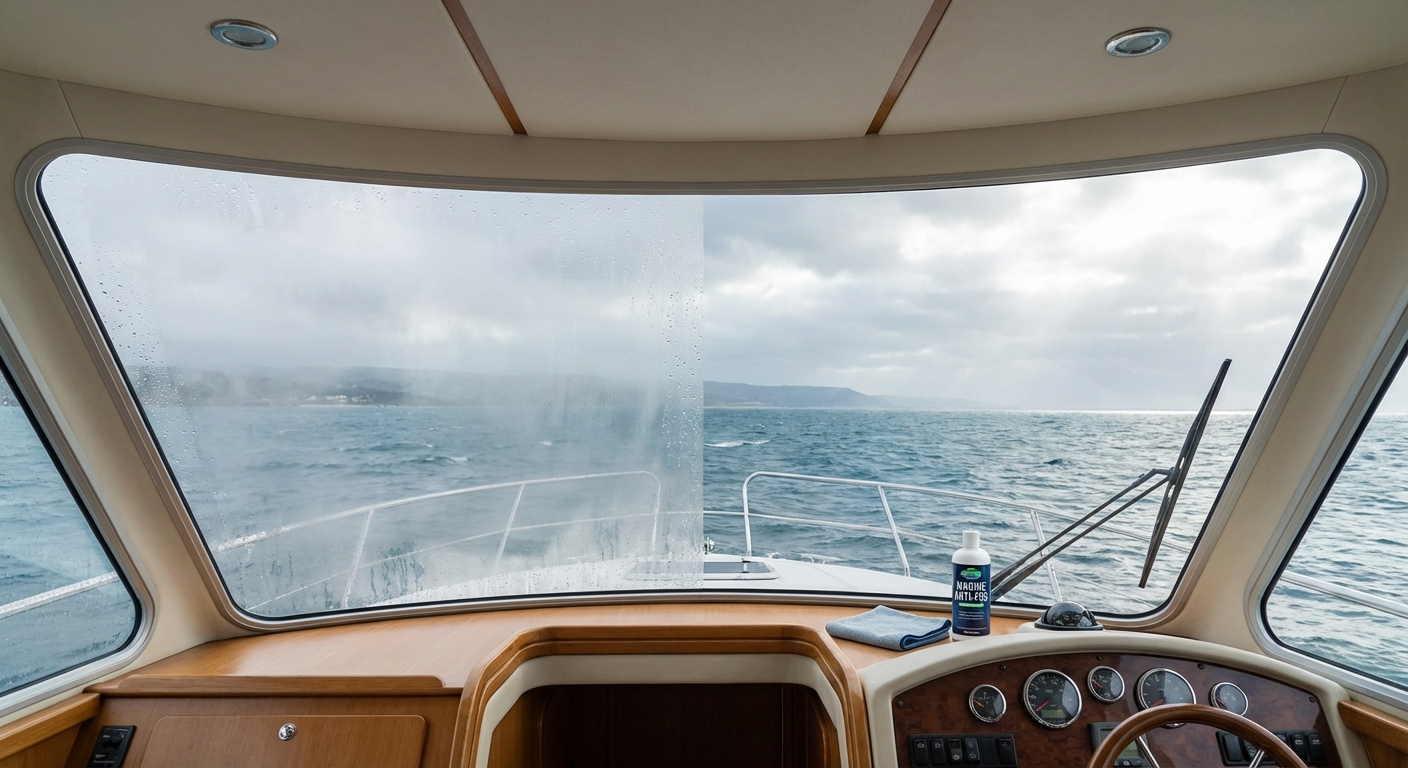
The real issue is that most fixes people try don't address the root cause. They treat the symptom. A quick wipe clears the glass for a moment, but it doesn't stop moisture from condensing again. A towel on the dash might absorb some humidity, but it's not preventing the temperature differential that causes fogging in the first place. If you want a windshield that stays clear for more than five minutes, you need to understand what's actually happening and implement fixes that last.
Temperature Meets Moisture and You Lose
Fogging happens when warm, humid air hits a cooler surface. On a boat, that surface is your windshield. Early mornings, post-rain conditions, or any time there's a temperature gap between the cabin and the outside air—that's when condensation forms. The moisture in the air doesn't disappear. It just moves to the coldest surface it can find, which is usually your glass.
This is why wiping doesn't work. You're removing the water, but you're not changing the conditions that created it. The air is still humid. The windshield is still cold. Within minutes, the fog is back. The only way to stop it is to either warm the glass, reduce the humidity, or both. Everything else is a temporary distraction.
Anti-Fog Coatings That Actually Hold Up
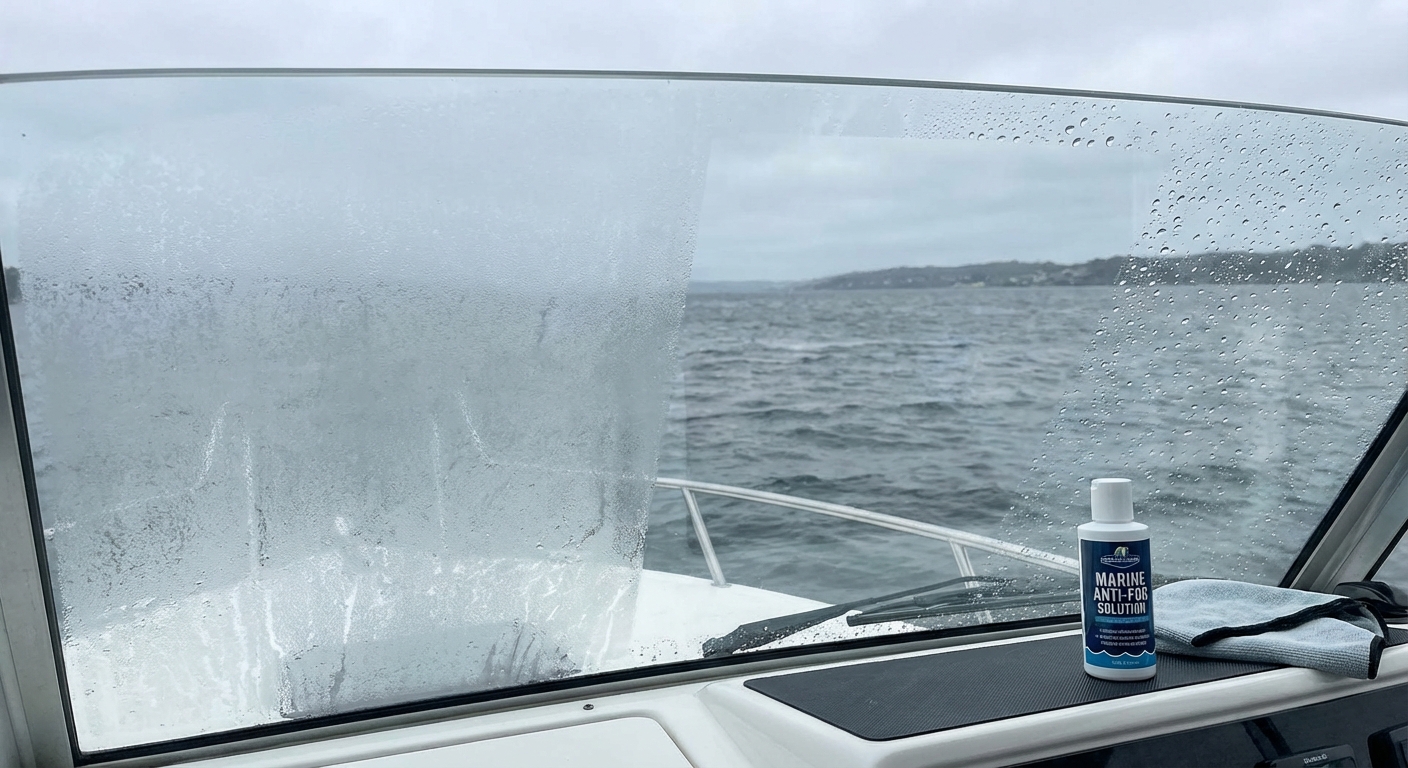
Marine-grade anti-fog sprays work because they change the surface tension of the glass. Instead of moisture beading up into fog, it spreads into a thin, invisible layer. But not all sprays are created equal. The cheap stuff you find at a gas station might work for a car windshield in dry conditions, but it won't survive saltwater, UV exposure, and constant humidity.
Look for products specifically designed for marine environments. These are formulated to bond with the glass and resist degradation from salt and sun. Application matters too. Clean the windshield thoroughly before applying—any dirt, salt residue, or old wax will prevent the coating from adhering properly. Apply the spray, let it sit for the recommended time, then buff it with a microfiber cloth. Done right, a quality anti-fog treatment can last weeks or even months before you need to reapply.
- Choose marine-specific formulas that resist salt and UV damage
- Clean the glass completely before application to ensure proper bonding
- Buff with microfiber, not paper towels, to avoid scratches and lint
- Reapply based on performance, not a fixed schedule
- Test a small area first if you're using a new product
Windshield Heaters Stop the Problem at the Source
If you want a permanent fix, install a windshield defogger or heating system. These work by warming the glass just enough to prevent condensation from forming. The temperature differential disappears, and so does the fog. Some boats come with these systems factory-installed, but aftermarket kits are available for most models.
Installation isn't trivial—you're running wiring, mounting heating elements, and potentially integrating with your boat's electrical system. But once it's in, it works. No sprays to reapply, no towels to wring out, no constant maintenance. Flip a switch, and the windshield stays clear. For anyone who boats year-round or in colder climates, this is the single best investment you can make for visibility.
- Heating elements eliminate the temperature gap that causes fogging
- Aftermarket kits fit most boat models and windshield sizes
- Installation requires electrical work but delivers permanent results
- Systems can be wired to a dedicated switch or integrated with existing controls
- Energy draw is minimal compared to other onboard systems
Ventilation Cuts Humidity Before It Becomes a Problem
Humidity is the fuel for fogging. Reduce it, and you reduce the problem. Proper ventilation keeps air moving, which prevents moisture from building up inside the cabin. Open hatches, crack windows, and use vents whenever conditions allow. Stagnant air traps humidity. Moving air carries it away.
If your boat doesn't have adequate ventilation, add it. Small 12-volt fans are inexpensive and easy to install. Position them to create airflow across the windshield and through the cabin. Even a modest fan can make a significant difference by keeping the air circulating and preventing moisture from settling on cold surfaces. This isn't a standalone fix, but it's a critical piece of the puzzle. Understanding how to prevent mold on boat cushions also requires managing cabin humidity effectively.
- Open hatches and windows to promote cross-ventilation
- Install 12-volt fans to keep air moving through the cabin
- Position fans to direct airflow across the windshield
- Avoid sealing the cabin completely unless necessary
- Ventilation works best when combined with other anti-fog methods
DIY Solutions That Work in a Pinch
Not every situation calls for a permanent installation or a specialty product. Sometimes you need a quick fix that works well enough to get you through a trip. One of the most effective DIY methods is a diluted dish soap solution. Mix a small amount of soap with water, apply a thin layer to the inside of the windshield, let it dry, then buff it off with a clean cloth. The soap leaves behind a film that reduces surface tension and prevents fogging.
This method won't last as long as a commercial spray, but it's surprisingly effective for short-term use. It's also cheap and uses materials you probably already have on board. The key is to apply it thinly—too much soap will leave streaks and reduce visibility. Buff thoroughly until the glass is clear. Reapply as needed, especially after rain or heavy humidity. For more serious issues, knowing what to do if your boat engine won't start can save your day on the water.
- Mix a small amount of dish soap with water for a DIY anti-fog solution
- Apply a thin layer to the windshield and let it dry
- Buff with a clean microfiber cloth until the glass is clear
- Reapply after rain or when fogging returns
- Avoid over-application to prevent streaking
Clean Glass Resists Fogging Better
Dirt, salt, and grime create more surface area for moisture to cling to. A dirty windshield fogs faster and more heavily than a clean one. Regular cleaning isn't just about aesthetics—it's about performance. Use a marine-safe glass cleaner and a microfiber cloth. Avoid paper towels, which leave lint and can scratch the glass over time.
Pay special attention to the inside of the windshield, where oils from hands, sunscreen, and other contaminants build up. These residues attract moisture and make fogging worse. Clean both sides of the glass regularly, and you'll notice a measurable improvement in how long the windshield stays clear. This is basic maintenance, but it's one of the most overlooked factors in preventing fogging. Regular boat cleaning in Miami protects your investment and improves visibility.
- Use marine-safe glass cleaner to avoid damaging coatings or seals
- Clean both the inside and outside of the windshield regularly
- Microfiber cloths prevent scratches and remove residue effectively
- Remove oils, sunscreen, and other contaminants that attract moisture
- Clean glass resists fogging and improves overall visibility
Moisture Absorbers Reduce Cabin Humidity
Silica gel packs and other moisture absorbers won't stop fogging on their own, but they reduce the overall humidity inside the cabin. Lower humidity means less moisture available to condense on the windshield. These products are inexpensive, easy to use, and can be placed discreetly around the boat.
For best results, use them in enclosed spaces like cabins, storage compartments, and under seats. Replace or recharge them regularly—once they're saturated, they stop working. This is a passive solution that works in the background, complementing more active methods like ventilation and anti-fog coatings. It's not a silver bullet, but it's a useful tool in the overall strategy. Addressing hidden damage saltwater does requires similar attention to moisture control.
- Place silica gel packs or moisture absorbers in enclosed cabin areas
- Replace or recharge them regularly to maintain effectiveness
- Use them in combination with ventilation and anti-fog treatments
- They reduce overall humidity but won't eliminate fogging alone
- Inexpensive and easy to deploy throughout the boat
Execution Beats Excuses on the Water
Fogging is a solvable problem, but only if you're willing to implement solutions that actually work. Wiping the glass with your hand or hoping the sun will burn off the moisture isn't a strategy—it's avoidance. The fixes that last require a bit of effort upfront, whether that's applying a quality anti-fog coating, installing a heating system, or simply improving ventilation and keeping the glass clean.
The boats that stay clear are the ones where the operator took the time to address the root causes. They didn't settle for temporary fixes or assume the problem would solve itself. They executed. And that's the difference between spending your time on the water squinting through fog and actually enjoying the view. The tools exist. The methods work. What matters now is whether you're willing to use them. If you need professional help with electrical problems on your boat or require mobile marine mechanic service in Miami, don't wait until small issues become major failures.
Stay Safe and See Clearly—We’re Here to Help
We know how important clear visibility is for every trip on the water. If you’re tired of fighting fogged windshields or want expert advice on lasting solutions, let’s make sure your boat is ready for anything. Give us a call at 305-290-2701 or Request Boat Repair or Service today, and together we’ll keep your boating experience safe and enjoyable.


.png)